Are you grappling with the age-old farm problem of flies? These pesky insects aren’t just a nuisance. They can pose serious health risks to your livestock and crops.
On farms, you’re likely encountering house flies, stable flies, and perhaps even blowflies. Each fly species plays a different role in the ecosystem but can cause problems in large numbers.
But the good news is controlling these flies doesn’t have to be a source of stress. With this fly management guide from Blain’s Farm & Fleet, you can tackle this problem head-on.
We cannot overstress the importance of sanitation. Flies thrive in dirty, moist environments. And any decaying organic matter in your barn is the perfect breeding ground for them. So keeping your farm clean is paramount.
Manure Management: Regularly clear out any animal droppings, manure, damp hay, and wet bedding.
Garbage and Feed: Securely store and regularly dispose of garbage and unused feed to avoid attracting flies. Also keep feed troughs clean of any debris.
Use Fly Control Products
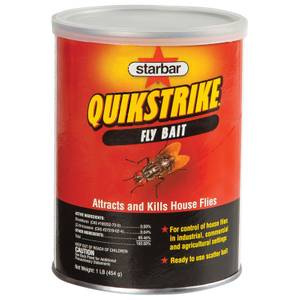
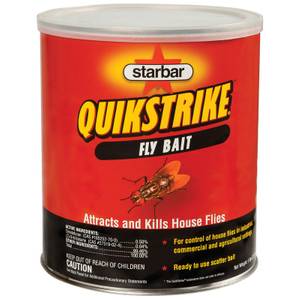
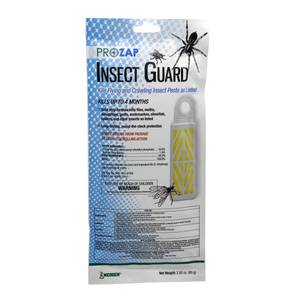
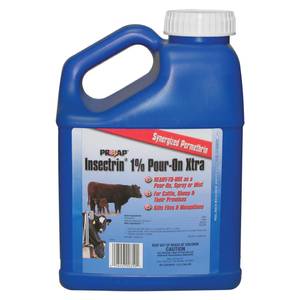
There are many fly control products out there, from sprays to baits to larvicides. The key is choosing the right ones that work for your specific situation without causing harm to your livestock or the environment.
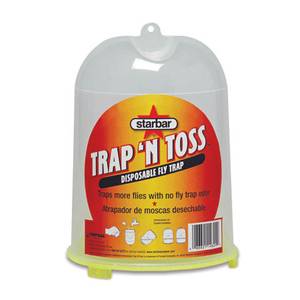
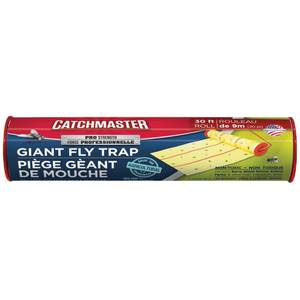
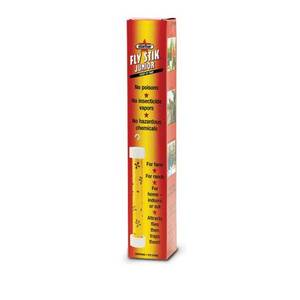
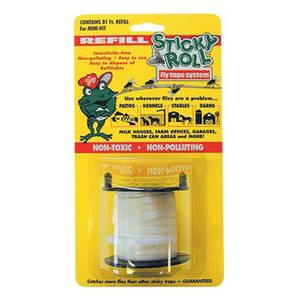
Fly Paper and Traps
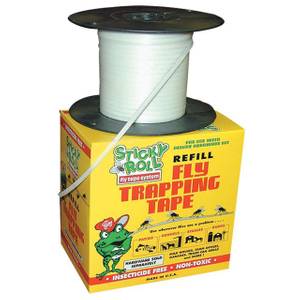
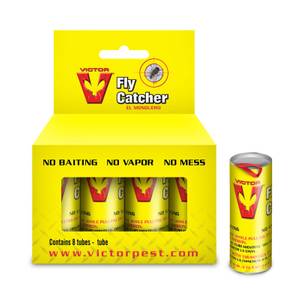
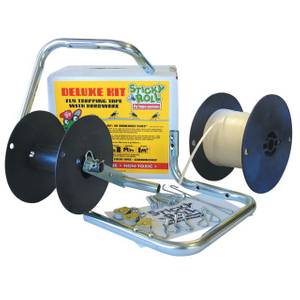
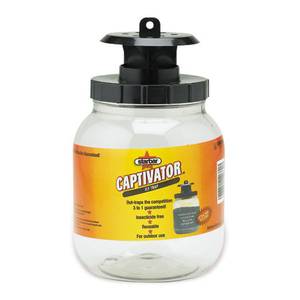
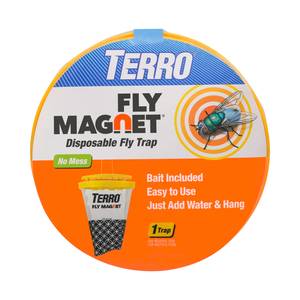
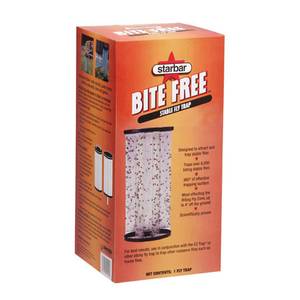
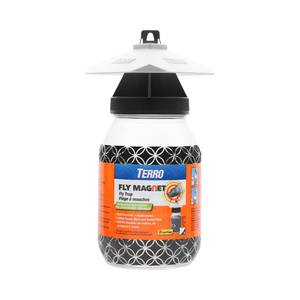
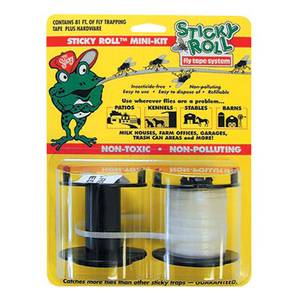
Fly paper and fly traps are a non-invasive way to catch adult flies without using chemicals. They’re easy to set up and can provide immediate relief in areas where flies are most active.
Place fly paper and traps strategically around your barn, especially near windows and light sources where flies are attracted. Check and replace them regularly to maintain their effectiveness.
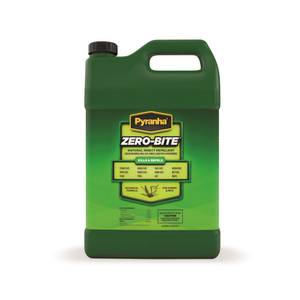
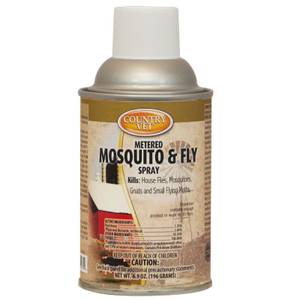
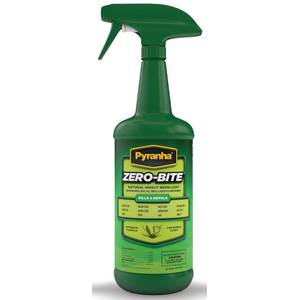
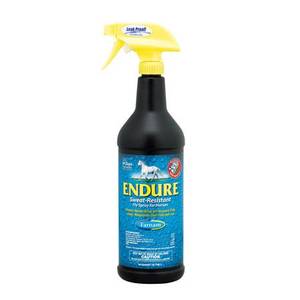
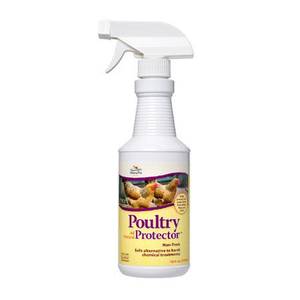
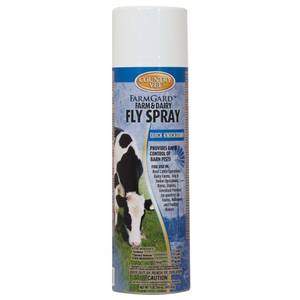
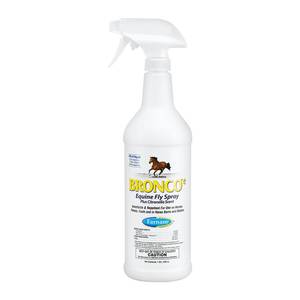
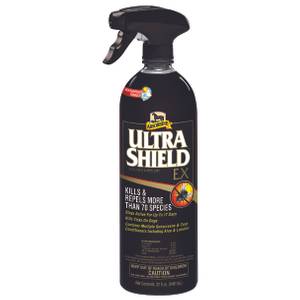
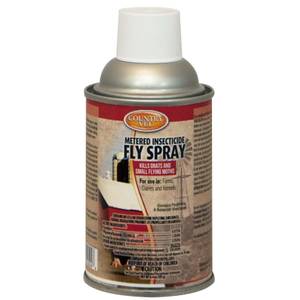
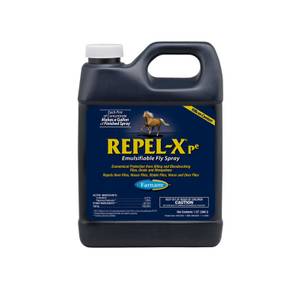
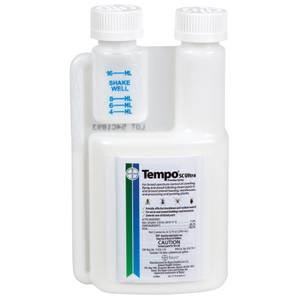
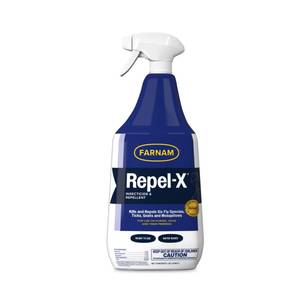
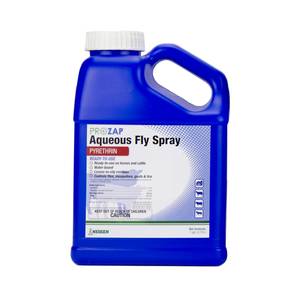
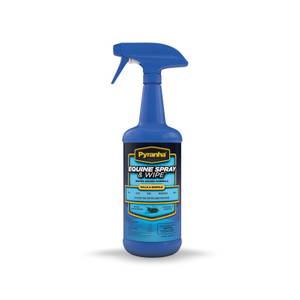
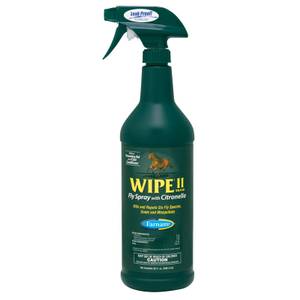
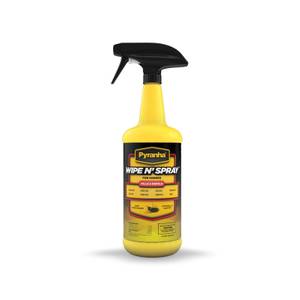
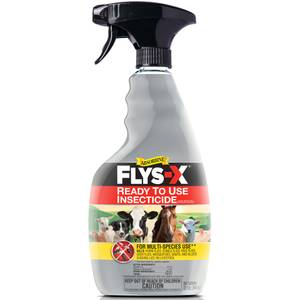
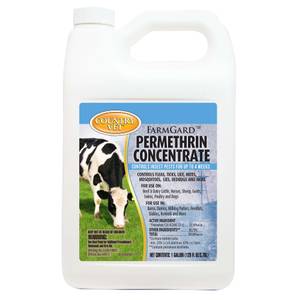
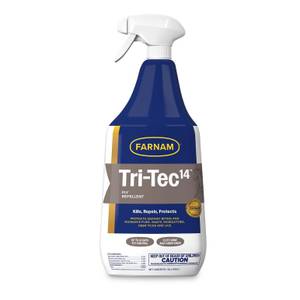
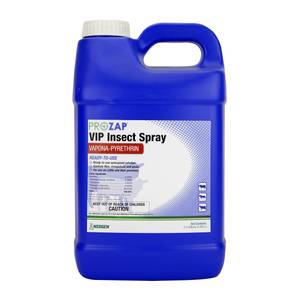
Fly sprays can offer quick knockdown of flying pests and are handy to have at the ready. However, they should be used with care and according to the label instructions to avoid harm to animals or beneficial insects.
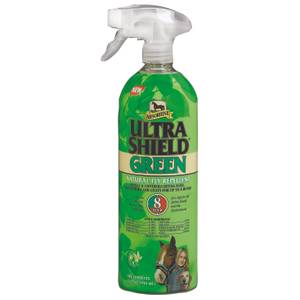
Use fly spray in targeted areas where flies congregate, and always follow the product guidelines. Consider natural or organic options if you’re concerned about chemical exposure.
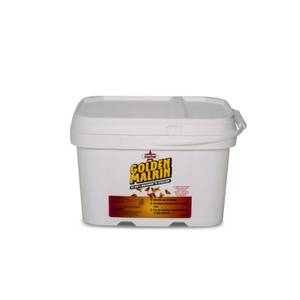
Attacking the problem at its source, larvicides prevent fly larvae from maturing into adults. They can be a powerful tool in your fly control strategy when used correctly.
Apply larvicide to manure piles, drains, and other fly breeding sites. Be meticulous in following the application instructions to ensure safety and effectiveness.
Use Physical Barriers
Sometimes, keeping flies out is as simple as putting up a barrier.
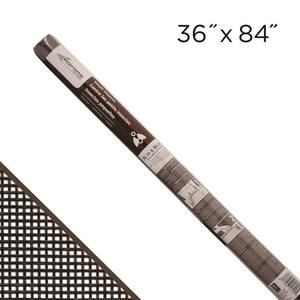
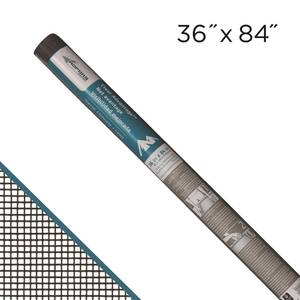
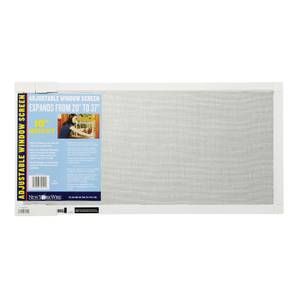
Screens: Install on windows, doors, and barn entrances to block flies from entering.
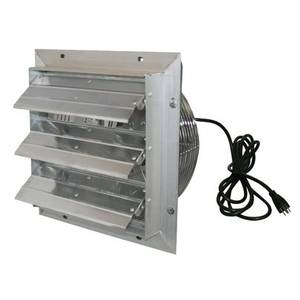
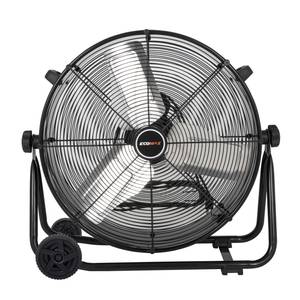
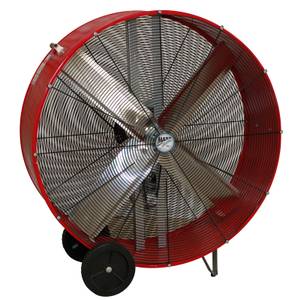
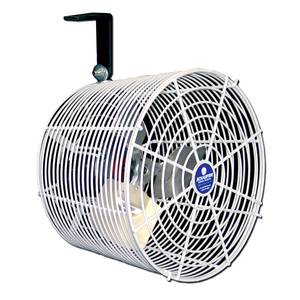
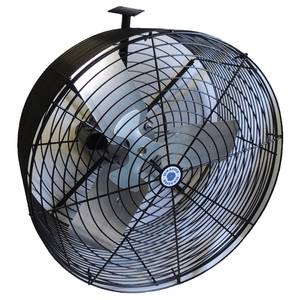
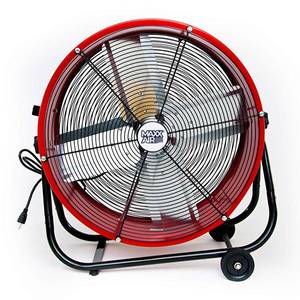
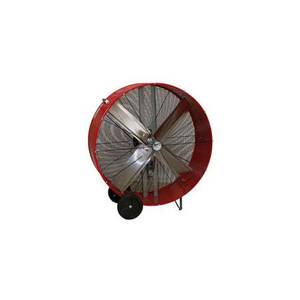
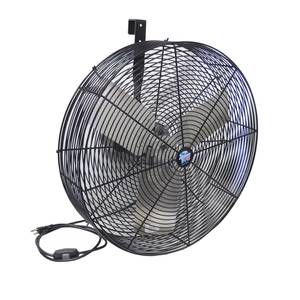
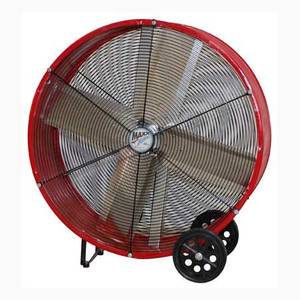
Fans: Strategically placed fans can create air movement that discourages flies from lingering.
Assess your farm’s buildings for potential entry points for flies and fortify them.
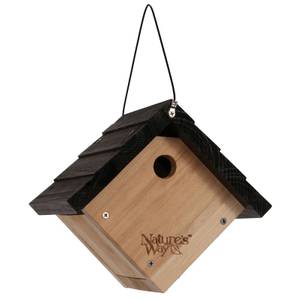
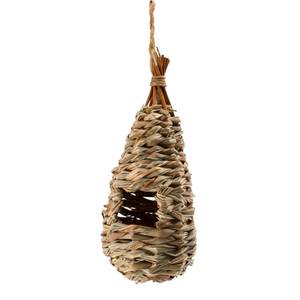
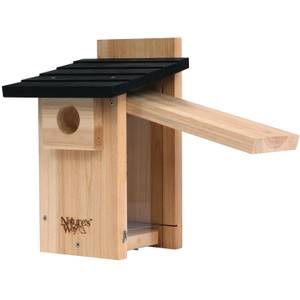
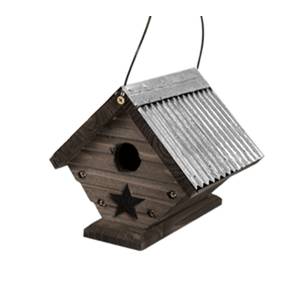
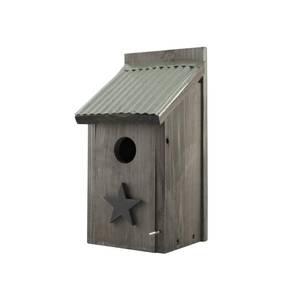
Nature has its own way of dealing with flies through predators like birds and bats. Encouraging these natural predators can significantly your reduce fly population. To do this, you can install birdhouses and bat boxes around your property.
Effective fly control is an ongoing process. Regular monitoring and being prepared to adapt your strategies as needed will keep you one step ahead.
Set up a schedule to check and clean traps, reassess barrier integrity, and monitor for new or worsening fly hotspots. Stay informed about new and improved control methods to keep your farm as fly-free as possible.
Remember, the key to success is consistency and a willingness to adapt your approach as needed. With a bit of effort and persistence, you can create a healthier, happier environment for your animals and yourself.
At Blain’s Farm & Fleet, we understand that your farm animals are more than just animals—they’re your life. That’s why we carry all the livestock supplies you need to give them the best care.
Weaning foals can be stressful. Learn about making the process easier and the basics of feeding foals with the help of Nutrena and Blain's Farm & Fleet.