

Article
Hobby Farm Egg Production
Hobby farm egg production is very popular and can be quite rewarding if you know how to do it right. See our guide on egg production best practices.
Read More January 23, 2015 | Blain's Farm & FleetBringing home baby chicks is an exciting venture. However, as with any baby, chicks require the proper nurturing and care to grow up healthy and strong.
With the help of Blain’s Farm & Fleet, you can learn about what your backyard chicks will need for food, water, and shelter. Whether you’re raising chickens for egg laying, FFA, or 4H, here are some simple tips for getting started.
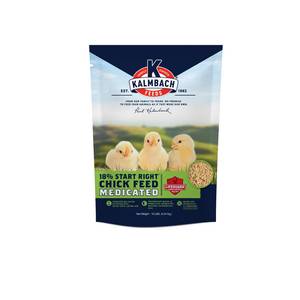
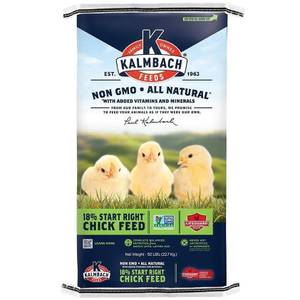
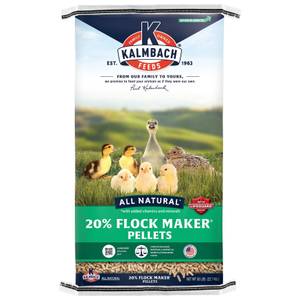
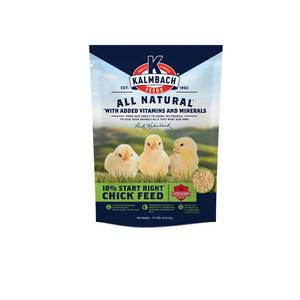
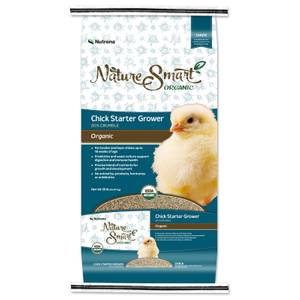
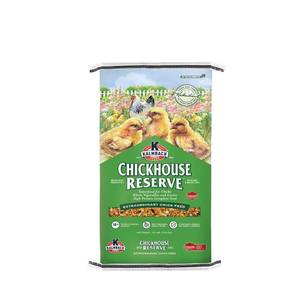
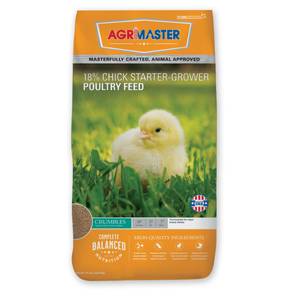
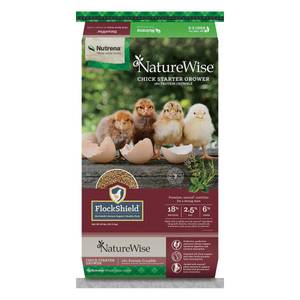
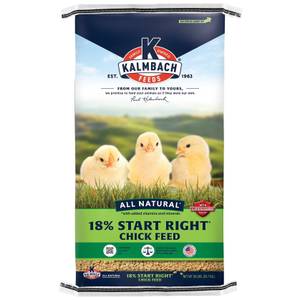
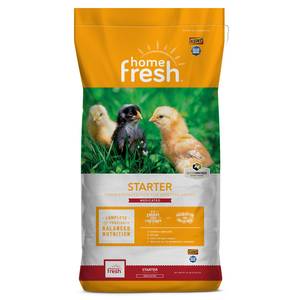
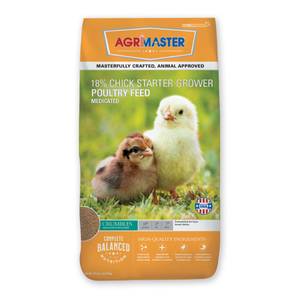
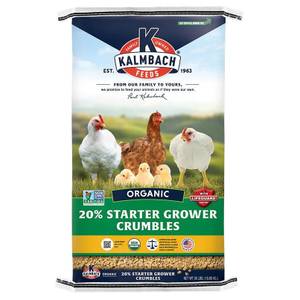
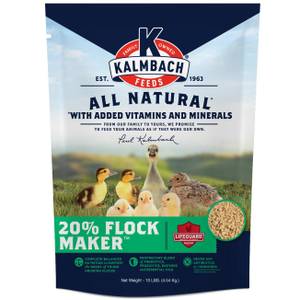
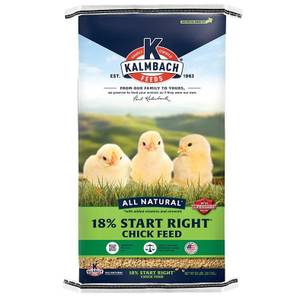
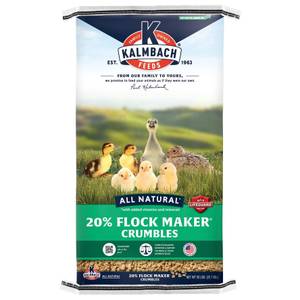
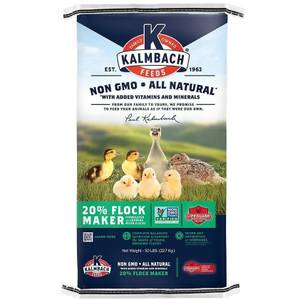
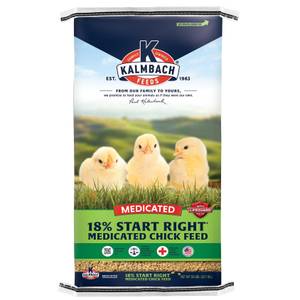
Feed your young chicks starter/grower chicken feed for the first 16 weeks. Sprinkle feed on a piece of cardboard in the area where you have the chicks stationed.
Continue this routine for a few days. Then, put the feed in troughs low enough so the chicks can easily locate and reach the feed. Use a two-foot feeder for every 50 chicks.
For the first 10 weeks, each chick will eat about one pound of food per week. Chicks should stay on a full feed ration of chick starter/grower until they are four and a half to five months of age.
Read through our article on selecting the right chicken feed to learn more about feeding your baby chicks.
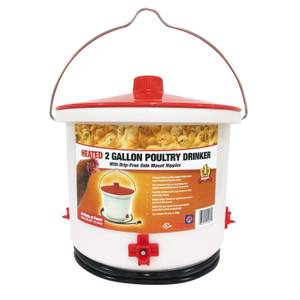
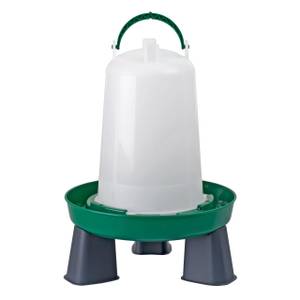
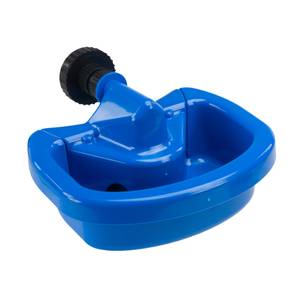
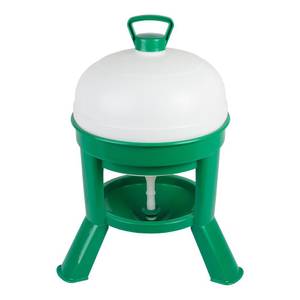
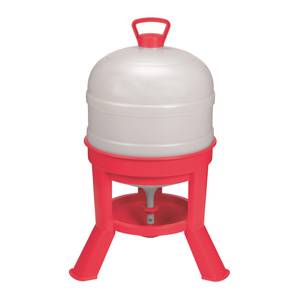
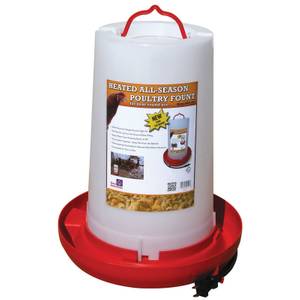
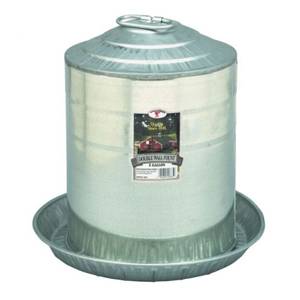
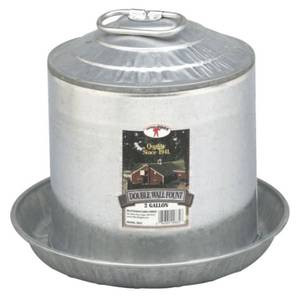
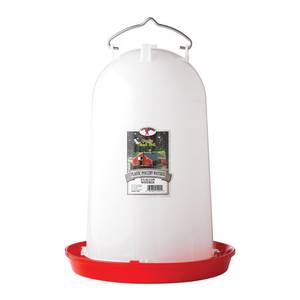
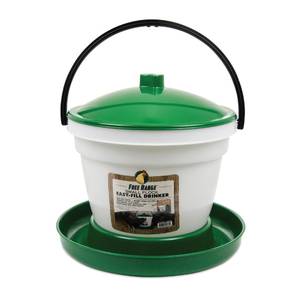
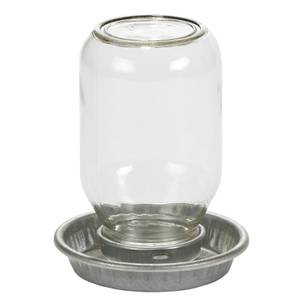
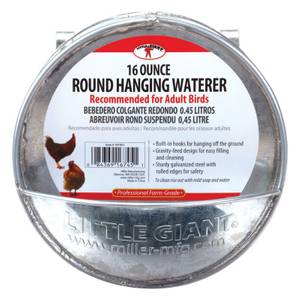
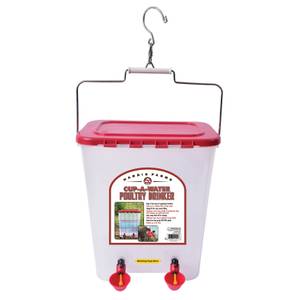
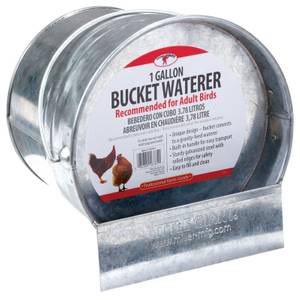
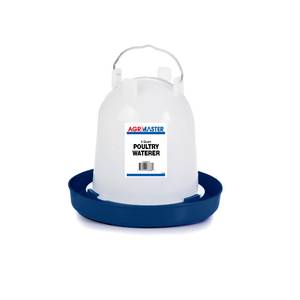
Baby chicks must always have access to clean, fresh water. Therefore, having a chick waterer is essential. For the first two days after they hatch, a one-gallon waterer will serve up to 50 chicks.
If you want to give your chicks a health boost, you can also add electrolytes made specifically for chicks to their water.
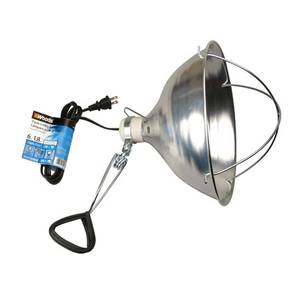
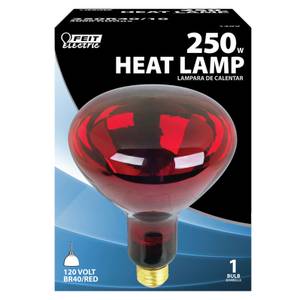
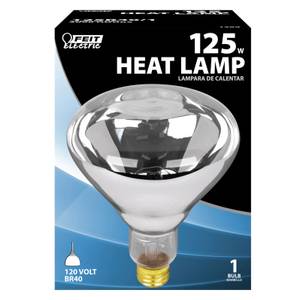
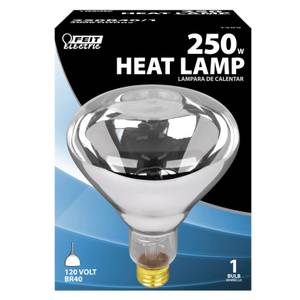
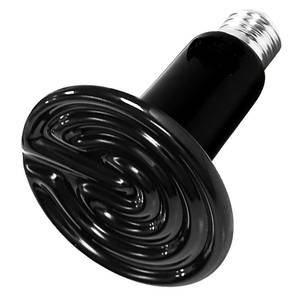
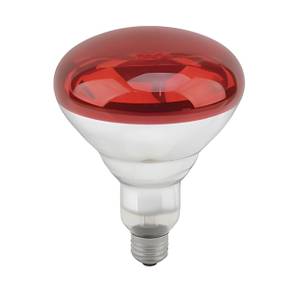
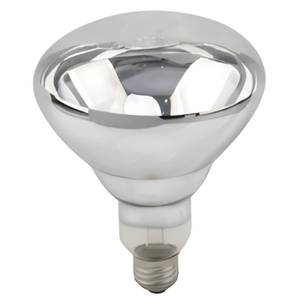
Use a brooder lamp with a 250-watt infrared heat lamp to keep the chicks warm and comfortable. Hang the light no closer than 18 to 24 inches from the floor. If it’s too warm, raise the light higher.
The temperature should be 90° to 95° F for the first week. The temperature may need to be slightly higher for Bantams and other small-bodied birds. A thermometer will help to ensure that you have the proper comfort level for the birds.
Reduce the temperature by five degrees each week, until you reach 70° F. They shouldn’t need much heat after that.
Start with one bulb per 50 chicks in cold weather. Then, watch how the birds act. They will need a small light at night to keep them from piling together, even after they don’t need it for warmth.
If you have the Cornish Cross breed, keep in mind that these chicks grow faster than any other bird. So they can overheat fairly easily.
Try to provide half a square foot of space per chick at the start. If you have 50 or more chicks, be sure to purchase a draft shield.
A draft shield is a cardboard circle about 12-inches high that you position around your chicks. This will keep the floor as draft-free as possible. Be sure the circle is large enough to allow the chicks to get away from the heat if they want.
Shavings make a good litter to place on the bottom of the space. Layer the litter at least one to two inches thick, or three to five inches if you have concrete floors.
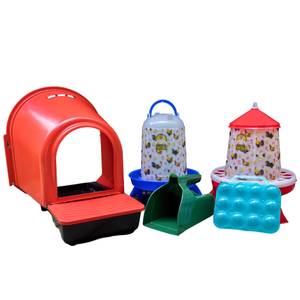
At Blain’s Farm & Fleet, you’ll find all the poultry equipment and poultry housing you need to raise your own backyard chickens. You can even buy live baby chicks during Chick Days.
For more tips on caring for your chicks, check out our other Chickens & Poultry articles.