

How ToArticle
Dealing with Bully Birds
Preserve your backyard bird haven and keep your song birds coming back by detering the bully birds using these helpful tips.
Read More June 24, 2020 | Blain's Farm & FleetAre you looking to bring a symphony of bird songs to your backyard? Whether you’re a seasoned bird enthusiast or just beginning to notice the feathered visitors in your garden, this guide is for you.
Understanding the types of songbirds that visit your area and what attracts them can significantly enhance your birdwatching experience. It’s about making small, mindful changes to your backyard that can have a big impact on the variety and frequency of birds that visit.
From identifying which types of common songbirds you’re hearing in your yard to setting up the right feeders and choosing the best food to encourage them to stick around, Blain’s Farm & Fleet is here to walk you through it all.
So whether you’re sipping your morning coffee or taking a break to bask in the serenity of your garden, let’s embark on this delightful journey together!
There are many different types of wrens in the United States, but the most common is the House Wren. While not flashy in appearance, sporting a plain-brown color, the House Wren is a boisterous bird whose sounds are quick, jumbling tunes that are introduced by abrupt churrs and scolds.
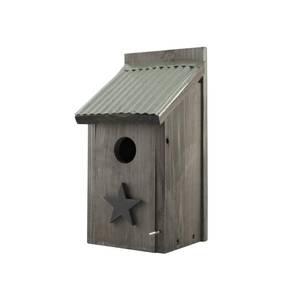
This bird eats mostly insects and berries. But they will also sample meal worms, suet, and peanut butter if placed in a platform feeder or directly on a tree. You can also set up birdhouses with a 1 1/8 inch entrance to encourage these birds to make your yard their home.
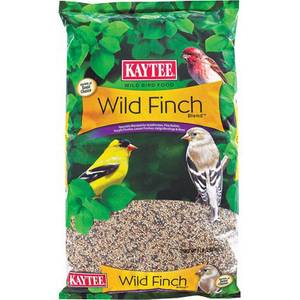
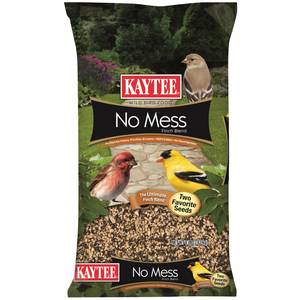
Finches are small, compact birds. Their sounds are long warbles composed of short notes, often ending with an upward or downward slur that lasts about three seconds.
Their color depends on their species and sex. Male American Goldfinches are bright yellow with a black cap. Purple Finches are a pinkish color. And House Finches are brown with a yellow/orange throat and rump.
The females of these species are typically duller, possessing a streaked brown color.
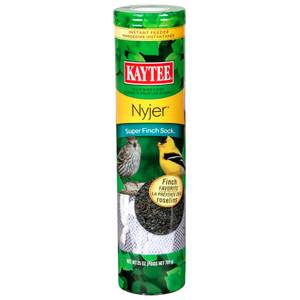
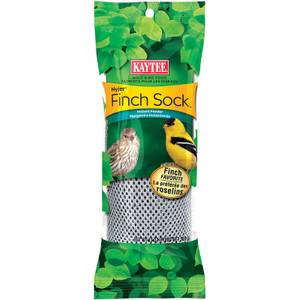
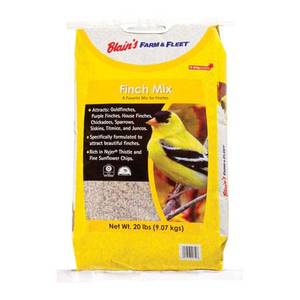
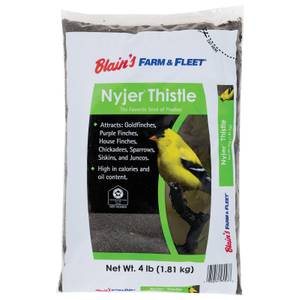
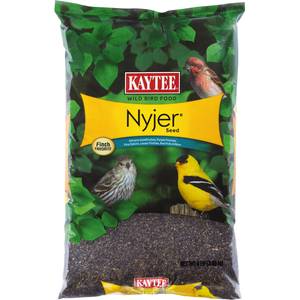
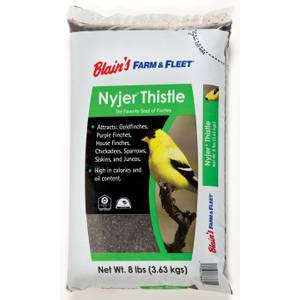
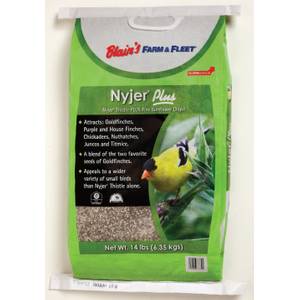
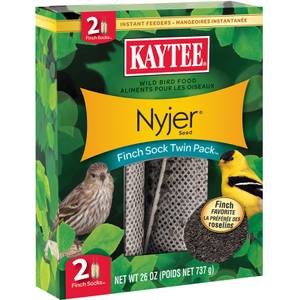
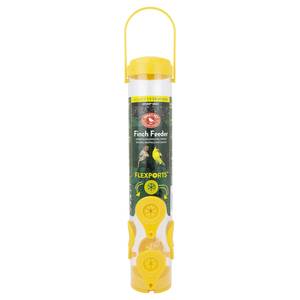
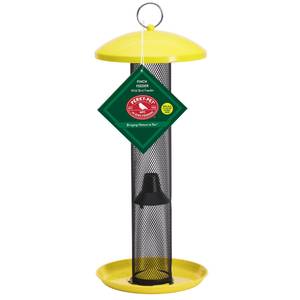
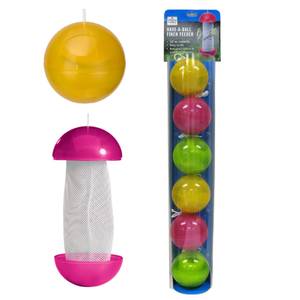
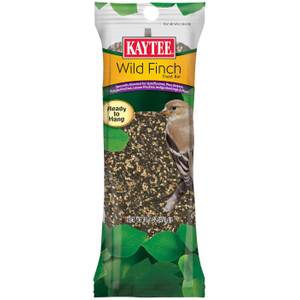
Finches possess the ability to perch, so you can encourage these birds into your yard with perched feeders filled with sunflower or nyjer seeds.
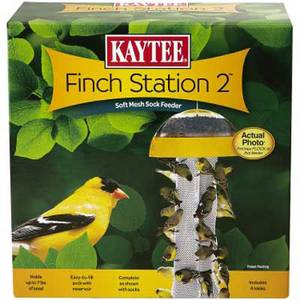
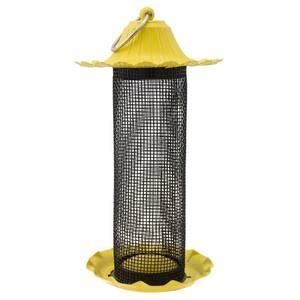
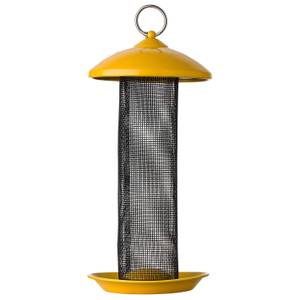
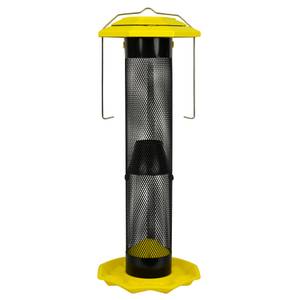
Orioles are medium, sturdy songbirds that have loud, clear, whistled songs. There are many species of Orioles in North America, but the most common is the Baltimore Oriole.
The males are a brightly-colored orange with black wings, backs, and caps. The females are a duller orange and lack the black cap that the males possess.
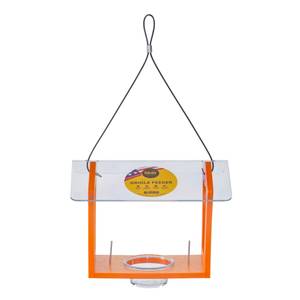
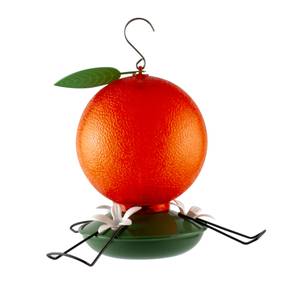
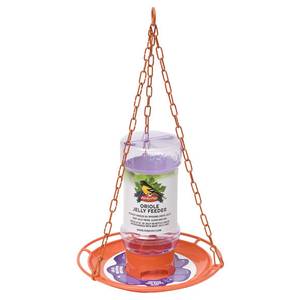
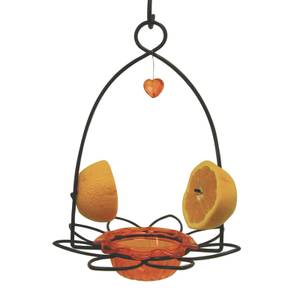
These birds have a sweet tooth, so you can bring them into your yard by putting out oranges, jelly, or suet.
Birds in the Thrush family consist of many recognizable species. Some include American Robins, Bluebirds, Northern Mockingbirds, Blackbirds, and Gray Cat Birds.
They are sturdy-bodied birds with slender legs and beaks. And they typically possess rather plain plumage with occasional red, yellow, or blue patches. Their sounds are clear and flute-like, which makes it rather easy to identify them.
These birds can be rather shy. But you can encourage them into your yard with kitchen scraps, small pieces of suet, or oil-rich seeds like sunflower seeds.
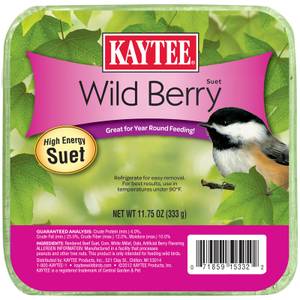
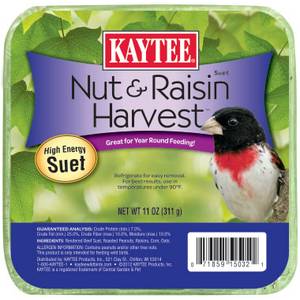
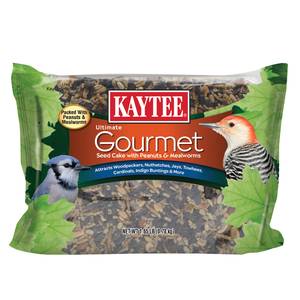
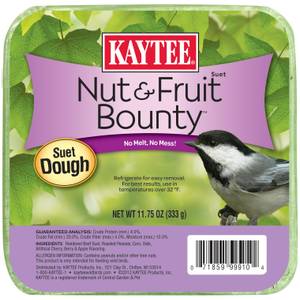
Black-Capped Chickadees are plump, small birds with gray bodies, white markings on their cheeks, and black heads and throats.
You can easily identify their sounds by having a simple two- to three-note whistle that sounds like “fee bee.” Chickadees are energetic birds that are a great, entertaining addition to your bird haven.
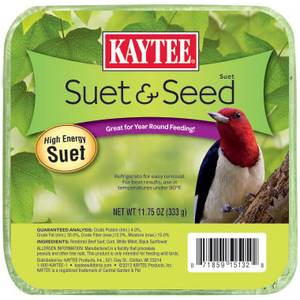
Their short beaks allow for optimal seed-cracking abilities. So you can bring them into your yard with sunflower seeds, shelled peanuts, or suet in a tray, tube, or hopper feeder.
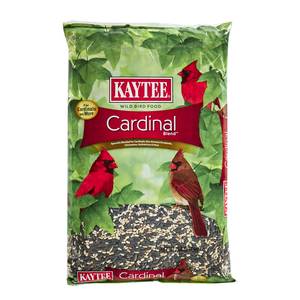
These bright-red birds (duller red in females) are part of the Grosbeak family. This means their sounds are much like the warbler, where they have a clear, whistle-like song.
These birds stay year-round. And they can be a beautiful addition to your yard in the winter, when their bright red feathers stand out against the white snow.
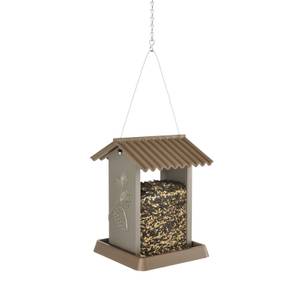
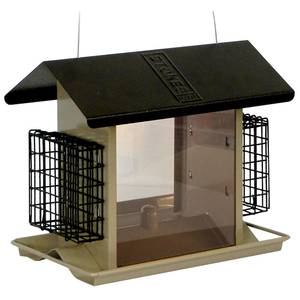
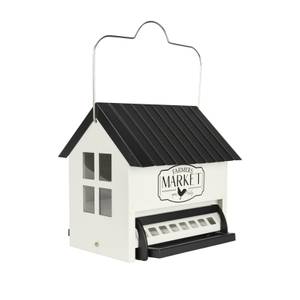
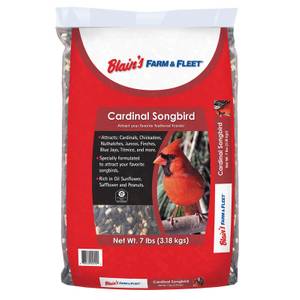
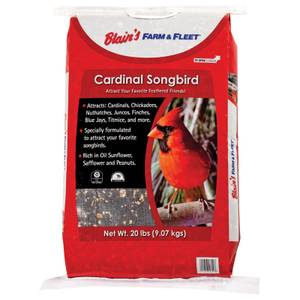
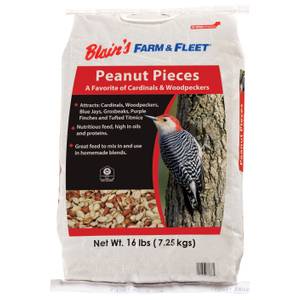
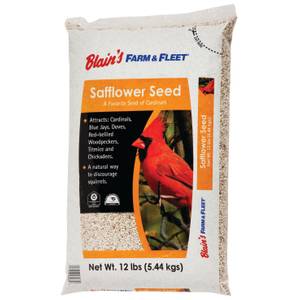
Cardinals are ground feeders. So you must use a flat-tray feeder to provide them with their favorite foods. Use sunflower seeds, safflower seeds, suet, cracked corn, and peanuts to keep attracting them to your yard.

With this list of songbirds, hopefully you’ll be able to identify what species you have in your yard. So you can further adapt your bird haven to encourage them to stay.
Blain’s Farm & Fleet has all the wild bird supplies you’ll need, as well as more Wild Birds & Bird Watching articles.