How ToArticle
How To Attract Blue Jays
Follow these tips from Blain's Farm & Fleet to bring beautiful blue jays to your backyard!
Read More January 4, 2022 | Blain's Farm & FleetThere are few things more exciting than seeing a hummingbird flitting around your yard. If you’re looking to invite some more of these tiny wonders to your garden, selecting the right hummingbird feeder is your first step towards creating a welcoming haven for them.
If you’re feeling a bit overwhelmed by all different feeder options out there, you’ve come to the right place. Blain’s Farm & Fleet is here to help you choose a feeder that will bring both you and the hummingbirds sheer delight.
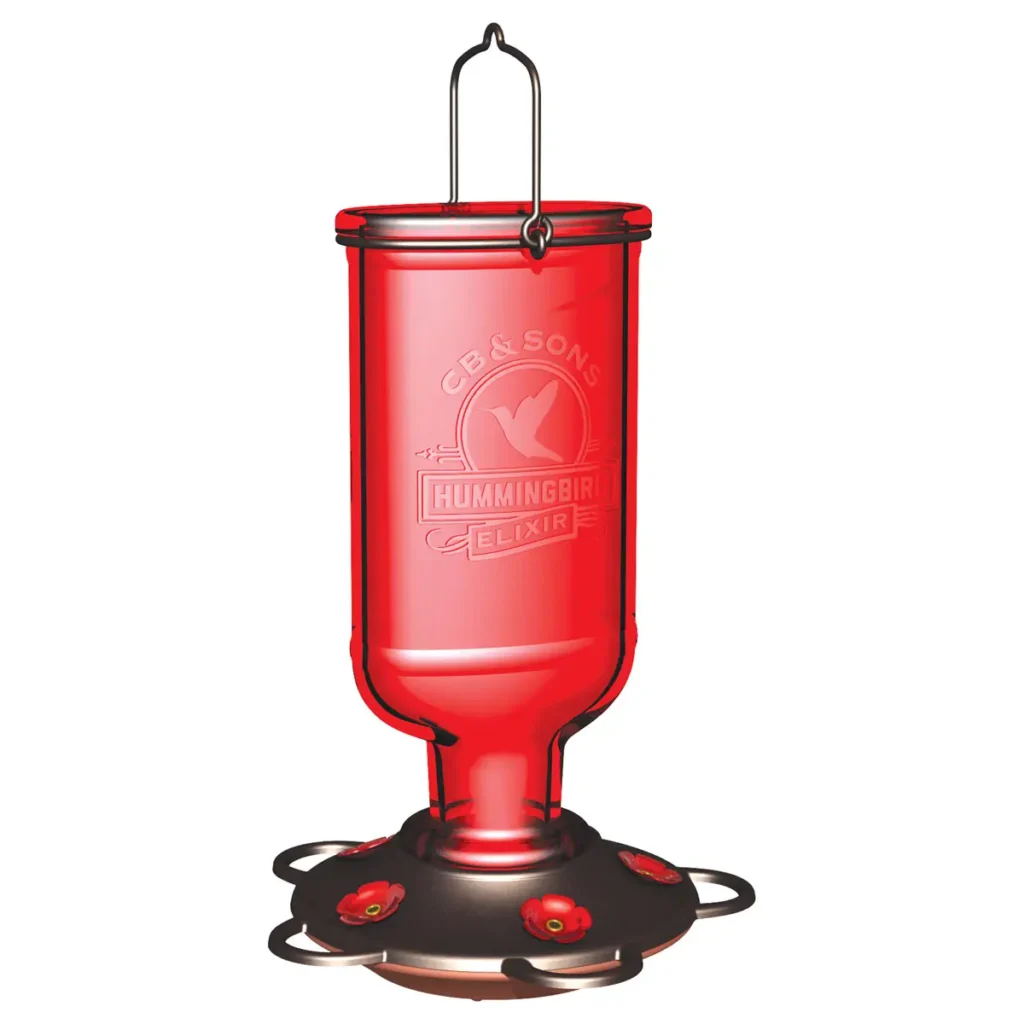
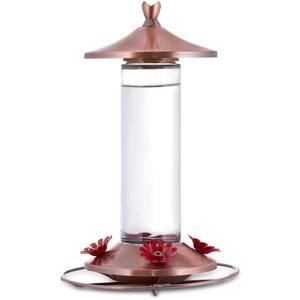
Bottle Feeders: These feeders consist of a bottle that holds the nectar with feeding ports at the bottom. They’re great for keeping nectar fresh but can be tricky to clean.
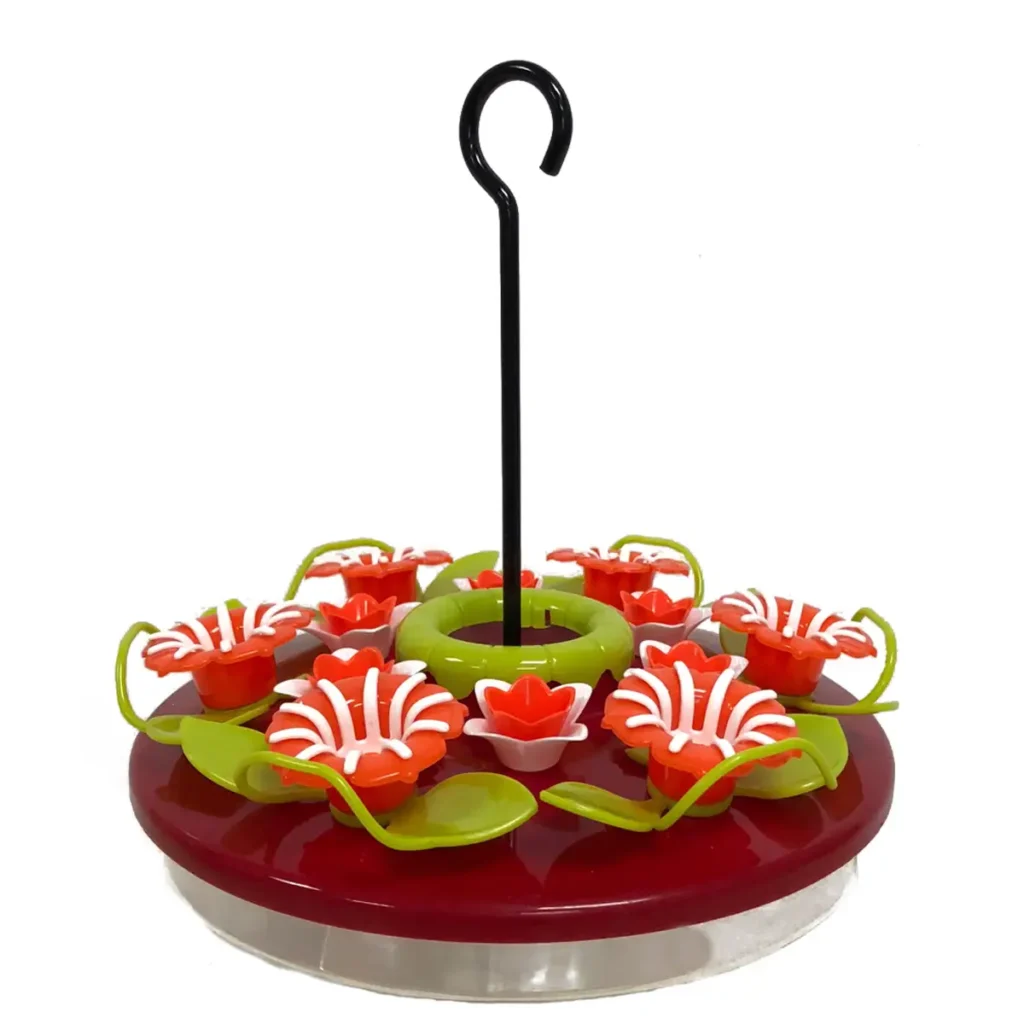
Dish Feeders: Also known as saucer feeders, they have a shallow dish where nectar is stored with ports on the lid. They’re easier to clean and fill but may need more frequent refilling because of their smaller capacity.
Consider your ability to maintain and refill the feeder when choosing between bottle and dish types.
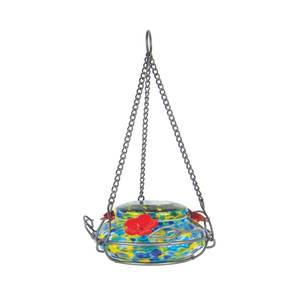
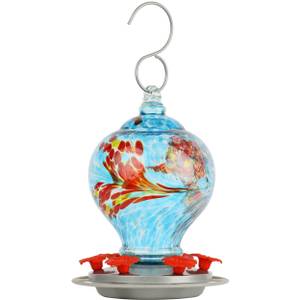
Glass Feeders: Durable and aesthetically pleasing, glass feeders are easy to clean but can be heavy and fragile.
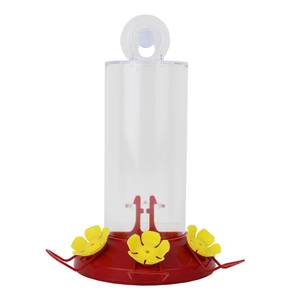
Plastic Feeders: Lightweight and often less expensive, plastic feeders are a good starting point but may degrade over time.
Weigh the pros and cons of each material based on your budget, style preference, and durability concerns.
Hummingbirds are attracted to bright colors, especially red. While it’s a common practice to use red-dyed nectar, it’s unnecessary and potentially harmful to the birds. Instead, choose a feeder with red accents or decorations to attract them without compromising their health.
Consider how many hummingbirds visit your garden. A larger feeder might seem like a good idea to avoid frequent refills, but remember, nectar needs to be fresh. Smaller feeders emptied and refilled more often can be more beneficial in keeping the nectar safe and fresh for the birds.
Your feeder should be easy to disassemble and clean to prevent mold and bacteria buildup, which can harm the hummingbirds. Look for feeders that come apart easily and have fewer intricate parts where mold can hide.
Ants and bees can be attracted to your hummingbird feeder, competing for nectar and deterring the birds. Some feeders come equipped with ant moats and bee guards to address this issue effectively.
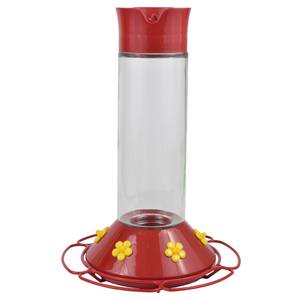
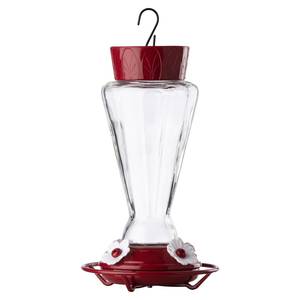
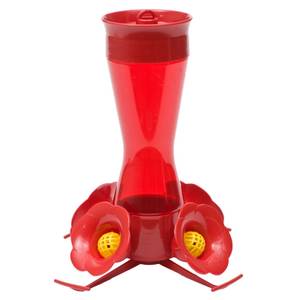
Hummingbirds favor feeders placed in safe, sheltered areas near flowers but away from strong winds and predators. A spot that allows you to view these beautiful birds without disturbing them is ideal.
Remember, consistency is key. Once you’ve chosen a location, try to keep the feeder there to help the hummingbirds remember where to find their food source.
Keeping your feeder filled with fresh nectar is crucial. Rinse the feeder with hot water each time you refill it. And give it a thorough cleaning once a week with a vinegar solution or mild soap to prevent mold growth.
In hot weather, nectar can spoil quickly, so you may need to clean and refill your feeders more frequently.
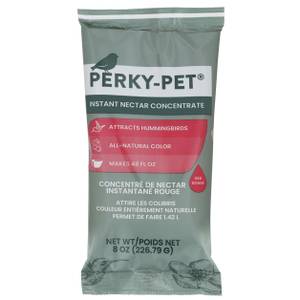
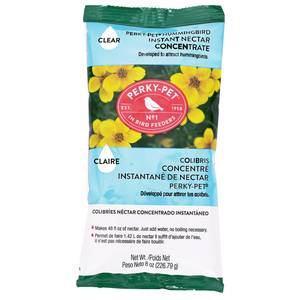
To attract the most hummingbirds, try to choose several hummingbird feeders and space them apart in your yard. This will reduce competition of one hummingbird trying to monopolize one feeder.
We also recommend incorporating native red flowering plants into your garden, which can provide additional natural food sources. Additionally, consider adding a shallow bird bath to your garden, as hummingbirds enjoy bathing and drinking fresh water.
See our article on attracting hummingbirds for more tips.
And for more buying guides like this one, check out our other Wild Birds & Bird Watching articles.