Article
Binoculars for Bird Watching
Do you love watching birds? Let Blain's Farm & Fleet help you find the right type of binoculars for your next bird watching trip.
Read More May 6, 2015 | Blain's Farm & FleetAre you looking to turn your backyard into a haven for birds? Whether you’re an avid bird watcher or just starting to invite these feathered friends into your garden, finding the perfect bird feeder can make all the difference.
Choosing the right bird feeder isn’t just about picking the prettiest one from the shelf. It’s about understanding what different types of birds need and how you can cater to those needs right in your backyard.
Whether you’re aiming to attract tiny hummingbirds or vibrant finches, this guide from Blain’s Farm & Fleet will help you find the bird feeder that works best for you.
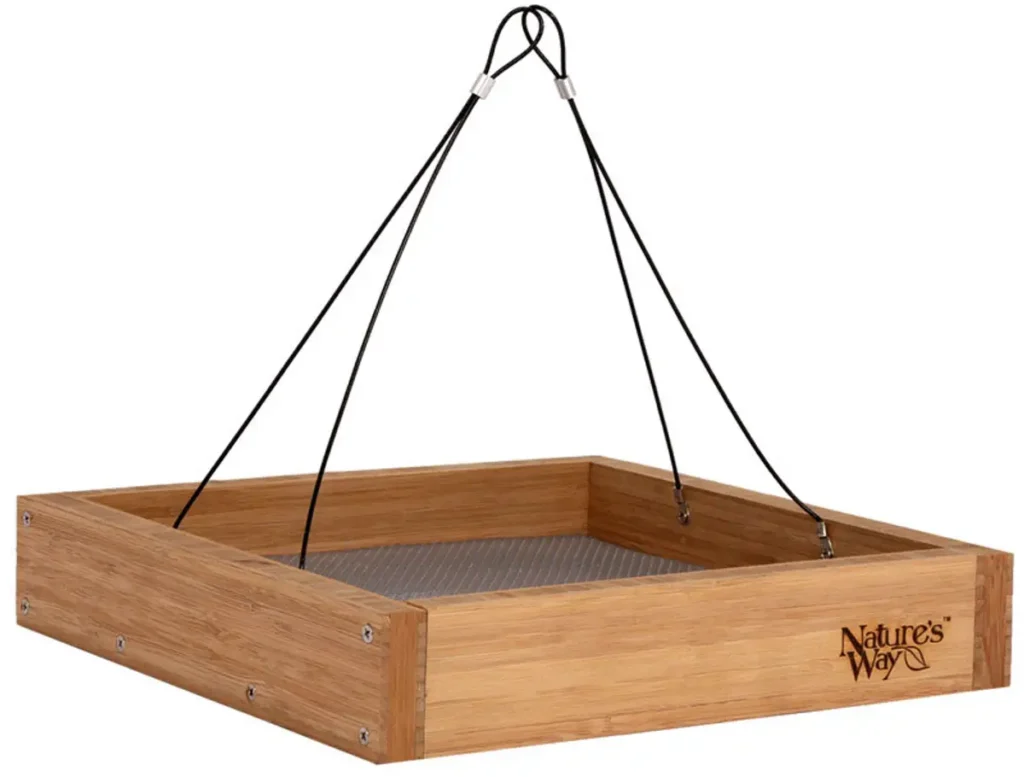
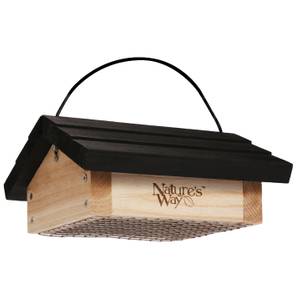
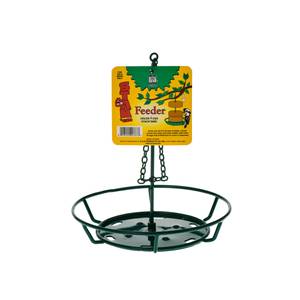
Platform bird feeders are the simplest form of feeders, offering an open space for birds to land and feed. They are essentially flat trays that can either be placed on the ground or mounted on a pole. They’re great for attracting ground-feeding birds like doves and sparrows.
Opt for a platform feeder with a screened bottom to promote drainage, keeping the bird seed dry and mold-free.
Place your platform feeder in a location that’s visible to you but also provides quick cover for birds to escape from predators.
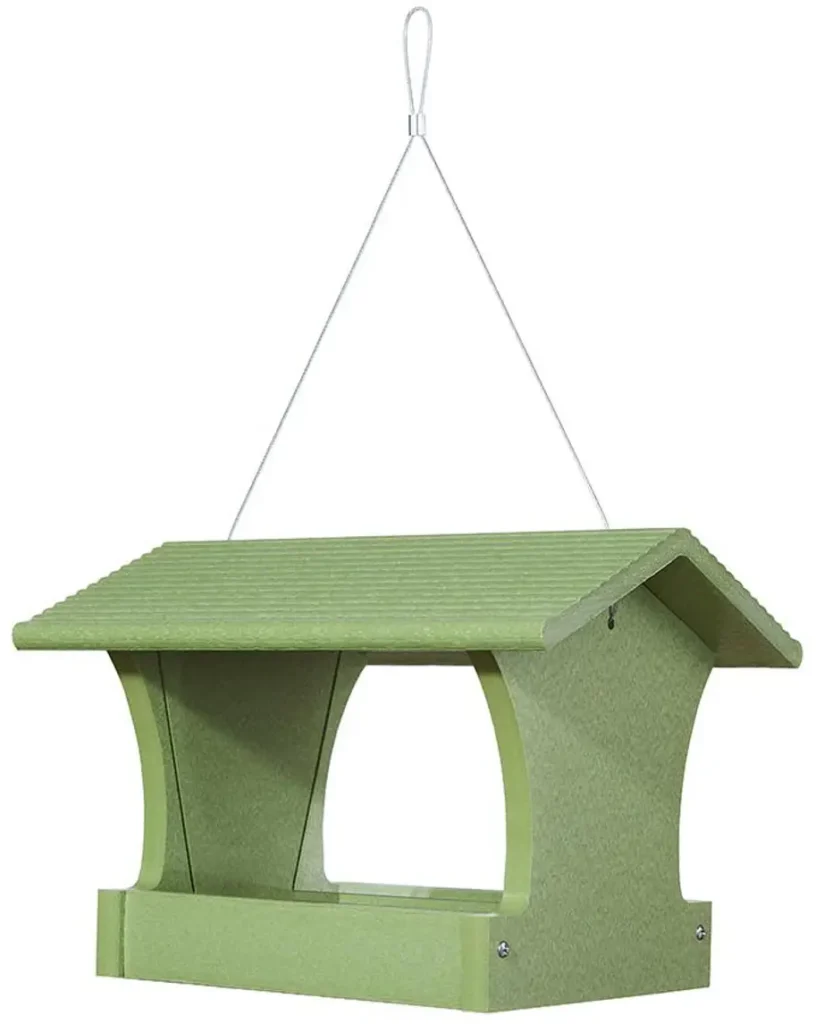
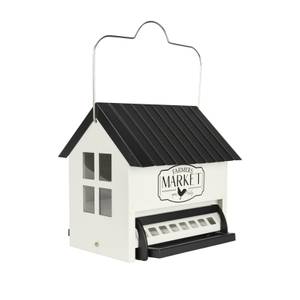
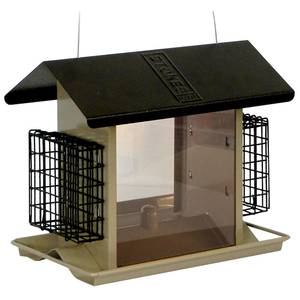
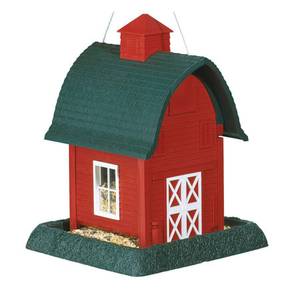
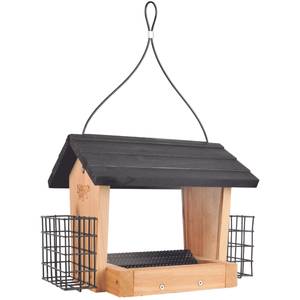
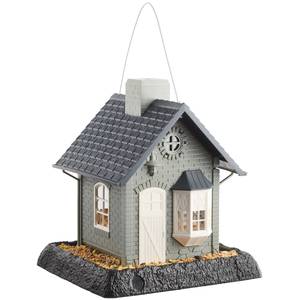
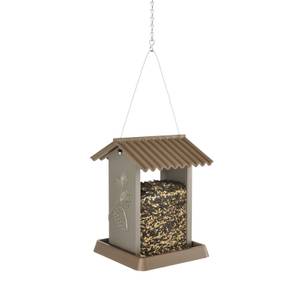
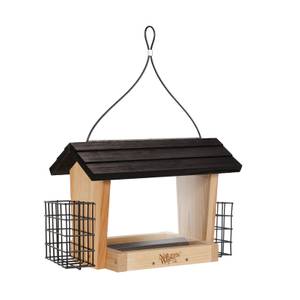
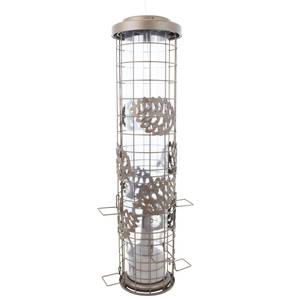
If you’re aiming for a traditional look that’s also functional, hopper bird feeders are your go-to. They can hold a substantial amount of seed, making them attractive to a wide range of birds, from finches to jays.
Look for hopper feeders with an overhanging roof to protect seeds from the weather. And consider models with squirrel-proof features.
Regular cleaning is essential. Aim to clean your hopper feeder at least once a month to prevent disease spread among birds.
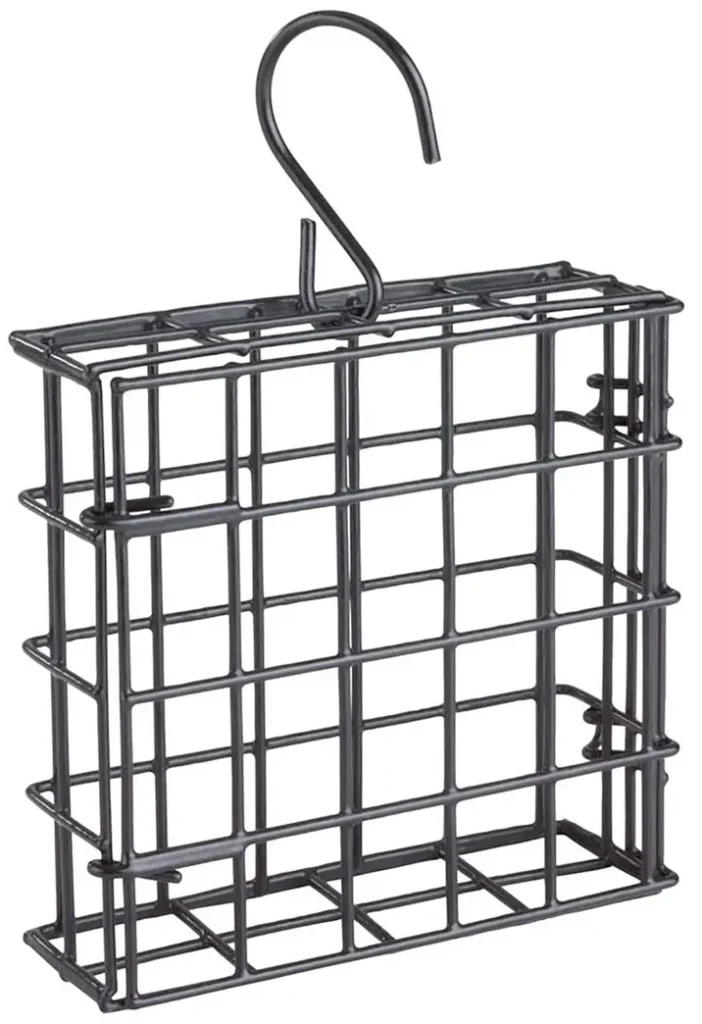
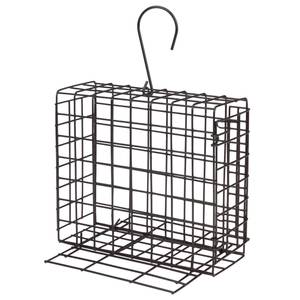
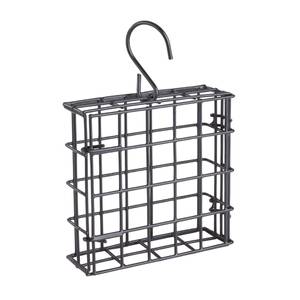
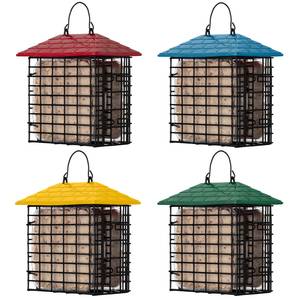
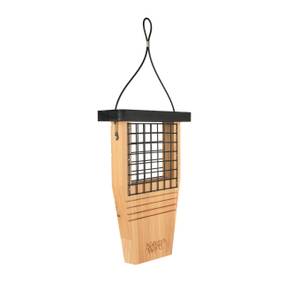
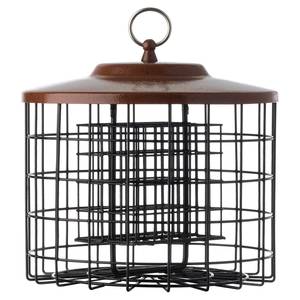
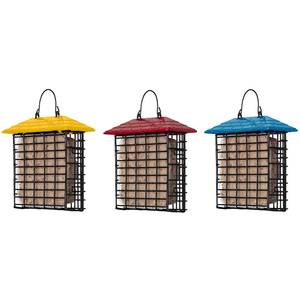
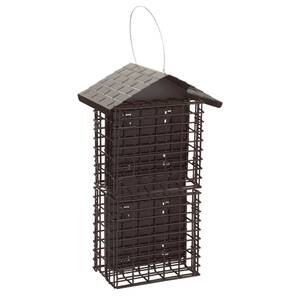
If you love watching woodpeckers, nuthatches, and starlings, suet bird feeders are a must-have. They hold suet cakes, which provide essential fats to keep birds warm during colder months.
Look for suet feeders with access only at the bottom to accommodate birds that can cling upside down. This will discourage larger birds and squirrels from depleting the suet too quickly.
Hang your suet feeder near tree trunks or branches to mimic the birds’ natural feeding spots.
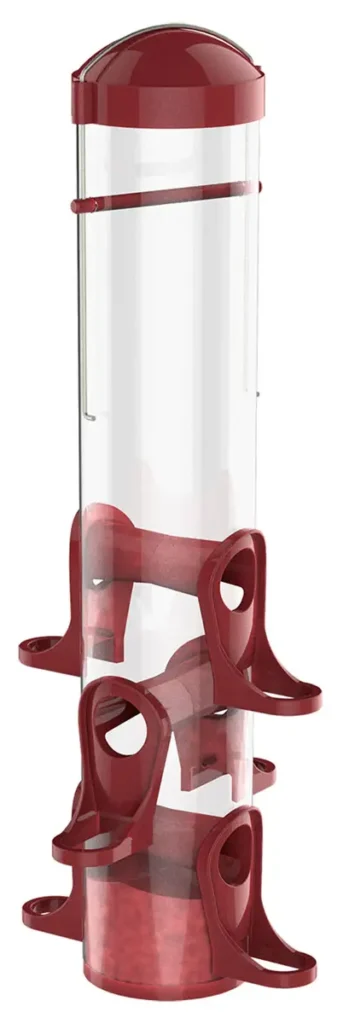
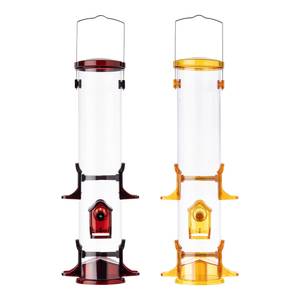
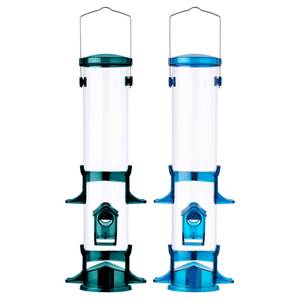
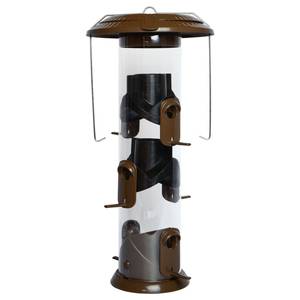
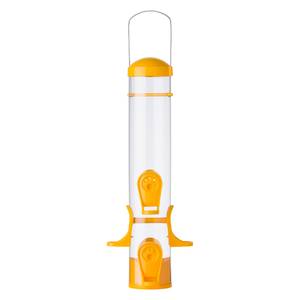
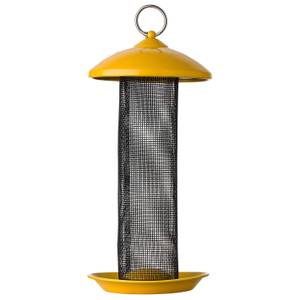
Tube bird feeders are perfect for small birds like chickadees and finches. They’re easy to fill and come with multiple perches and feeding ports.
Select a tube feeder with metal feeding ports to deter squirrels and ensure durability.
Position your tube feeder in a quiet, sheltered area of your garden to attract more birds.
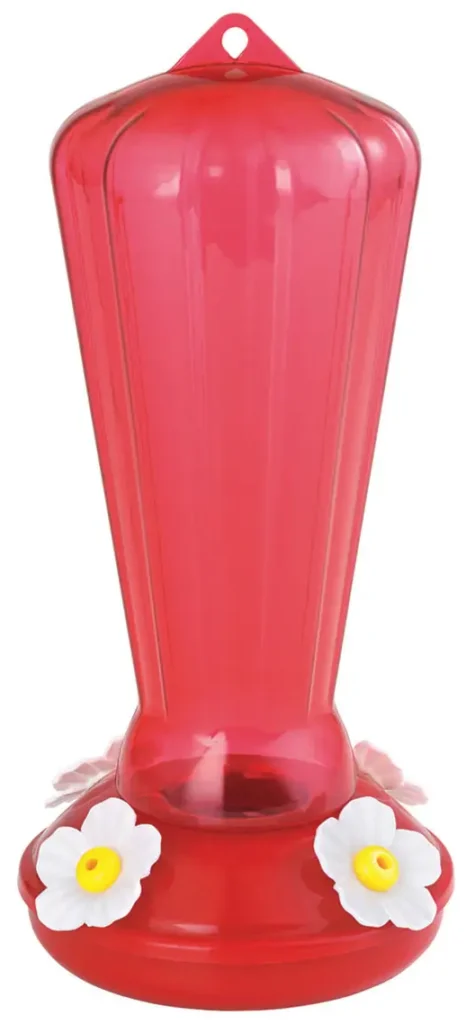
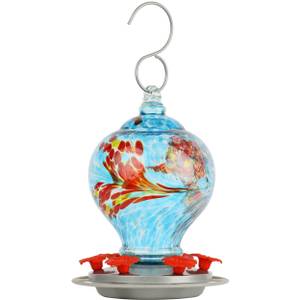
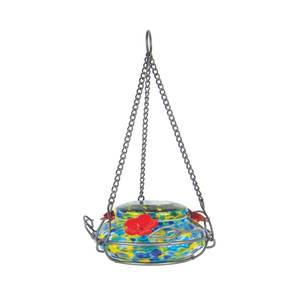
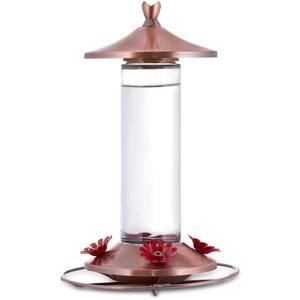
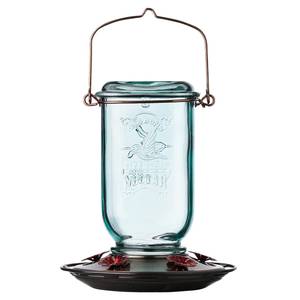
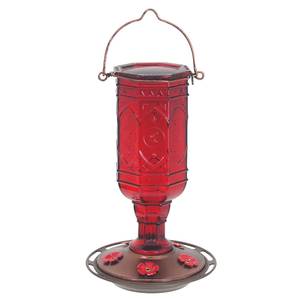
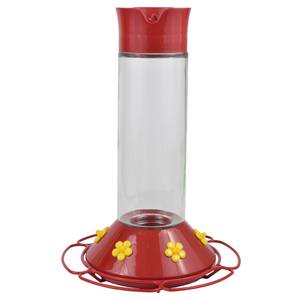
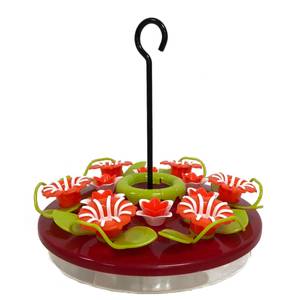
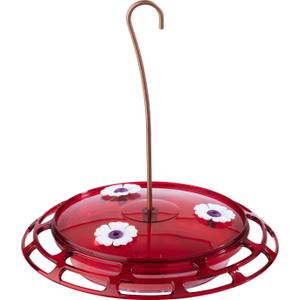
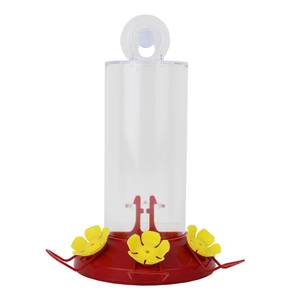
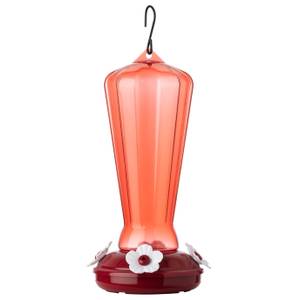
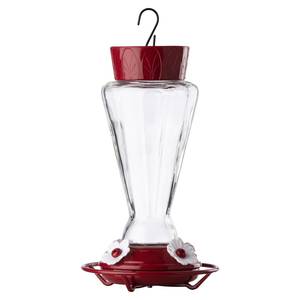
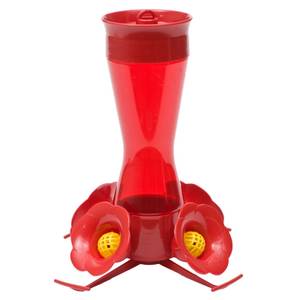
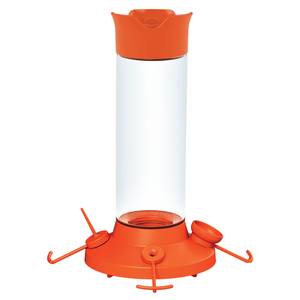
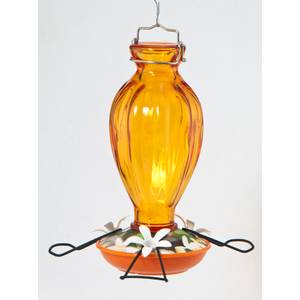
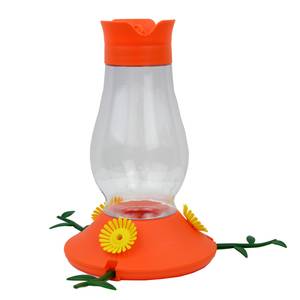
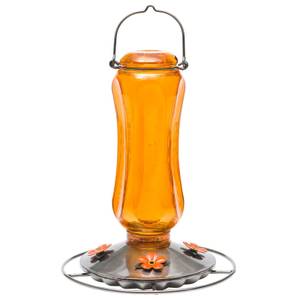
Hummingbird feeders are designed to hold nectar and feature bright colors to attract these tiny, vibrant birds. They usually come with red accents to mimic flowers.
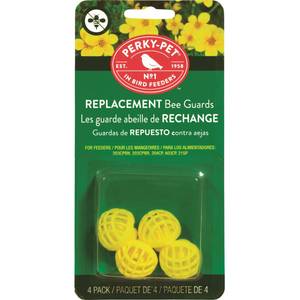
To prevent ants and bees from invading, choose feeders with built-in ant moats and bee guards.
Clean and refill your hummingbird feeder regularly to avoid mold growth, which can harm these delicate birds.
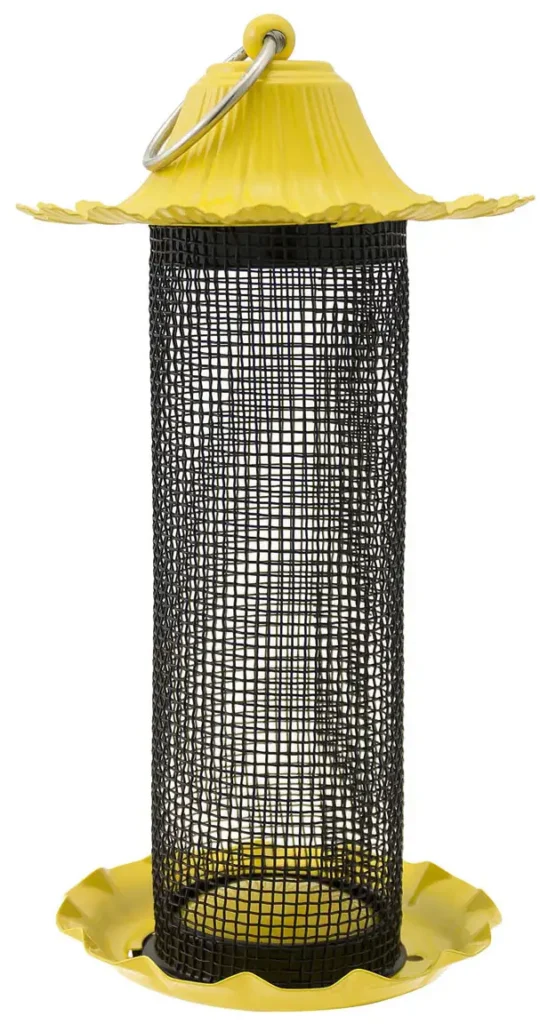
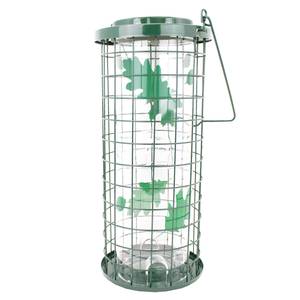
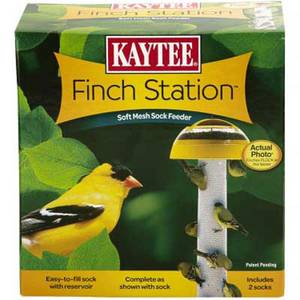
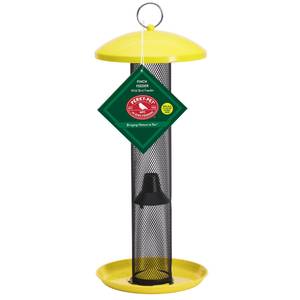
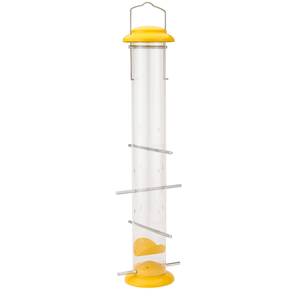
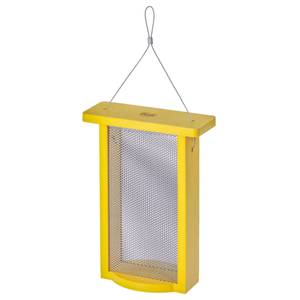
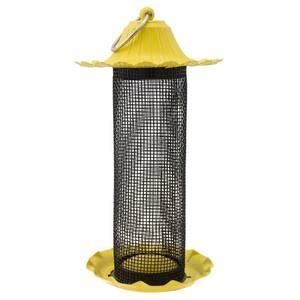
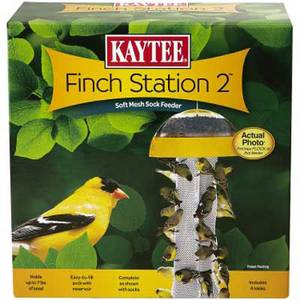
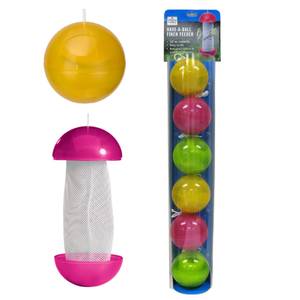
Finch bird feeders (also known as nyjer feeders), with their small seed ports, are specifically designed to attract these little birds, including the beautiful goldfinch.
Ensure the feeder has a tight seal to keep seeds dry, as nyjer can spoil quickly if exposed to moisture.
Hang your finch feeder in an open area where the vibrant colors of visiting finches are easily visible.
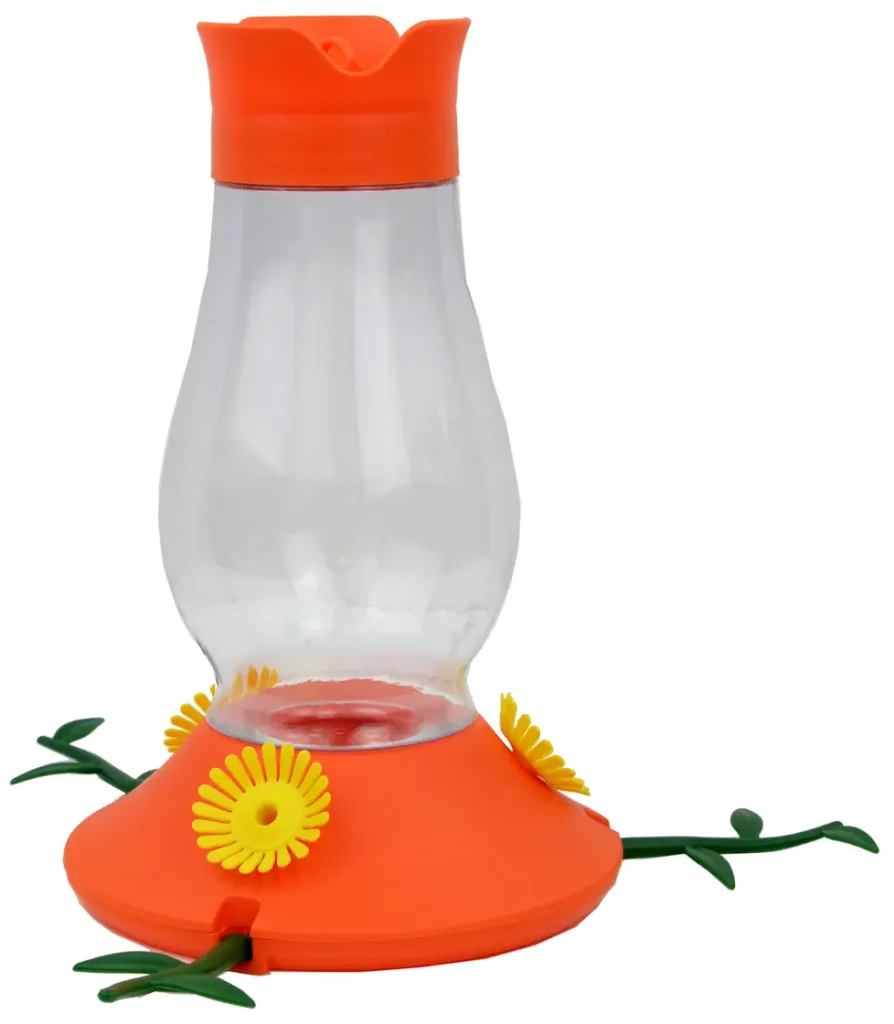
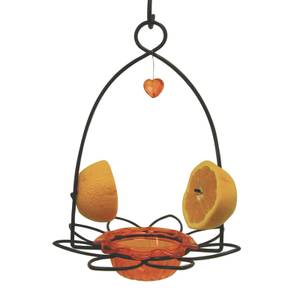
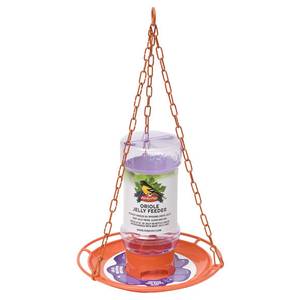
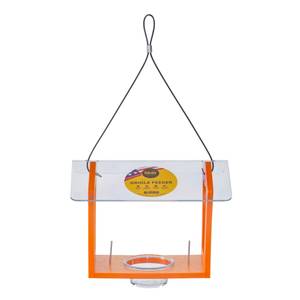
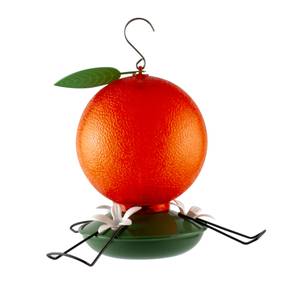
Oriole bird feeders are designed to offer oranges, jelly, and nectar, catering to the sweet tooth of these beautiful orange birds.
Choose feeders with bee guards to ensure the nectar remains exclusively for the orioles.
Place your oriole feeder in a spot with good visibility but close to foliage for a quick retreat.
When selecting the right bird feeder, here are a few additional features to keep in mind:
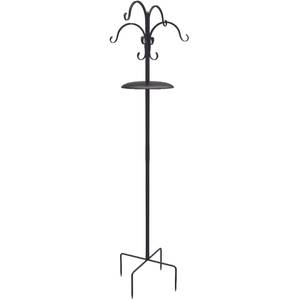
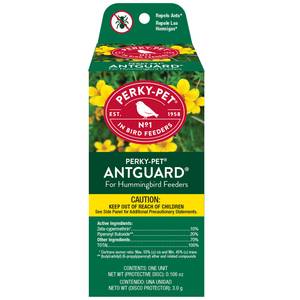
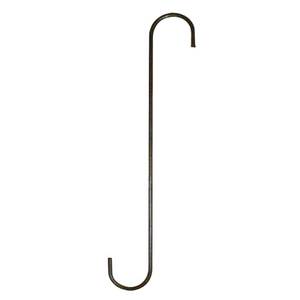
With this guide, you’re now ready to choose the perfect bird feeder (or feeders) for your yard. Remember, the key to successful bird feeding is not just the feeder itself. It’s also about placement, maintenance, and the quality of food provided.
At Blain’s Farm & Fleet, you can find a variety of bird feeders and other backyard bird supplies to choose from.
For more buying guides like this one, check out our other Wild Birds & Bird Watching articles.