

How ToArticle
How to Make the Best Grilled Fruit
Discover the secrets to transforming simple fruits into smoky, caramelized delights with this easy-to-follow guide on grilling fruit.
Read More April 1, 2024 | Blain's Farm & FleetBBQ rubs, seasonings, and sauces are more than just add-ons. They’re the secret weapons that can transform a good piece of meat into a delicious meal. But with so many different options out there, it can be hard to know where to start.
Whether you’re just beginning to get into barbecuing or simply looking to up your grilling game, mastering the art of BBQ rubs, seasonings, and sauces is a surefire way to impress at your next cookout. Learn about what sets each of these apart and how to use them to their full potential with this guide from Blain’s Farm & Fleet.
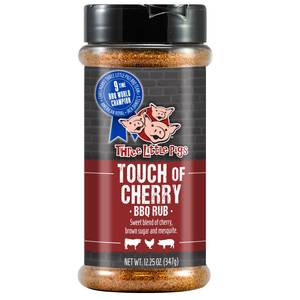
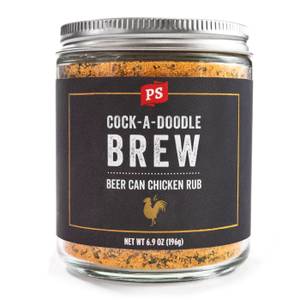
Dry rubs are mixtures of spices and herbs you can apply to meat before cooking it. They act as the foundation for barbecue dishes, as they create a crust that enhances flavor and texture.
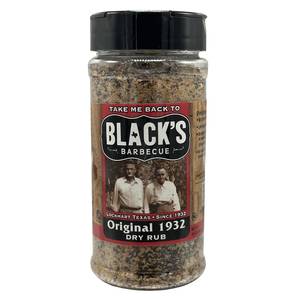
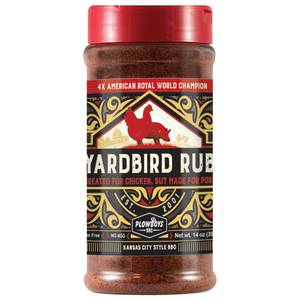
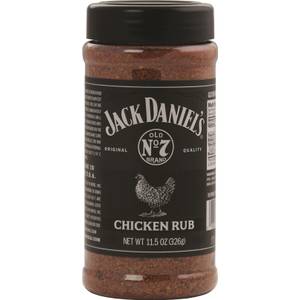
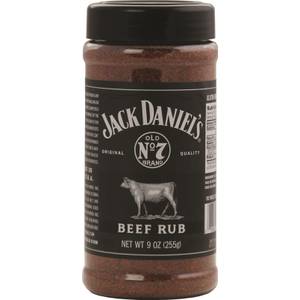
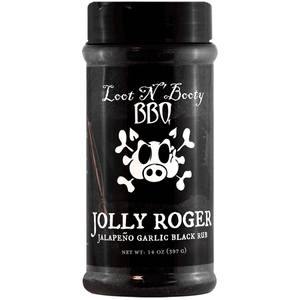
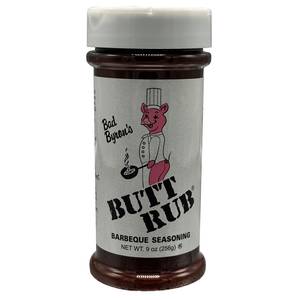
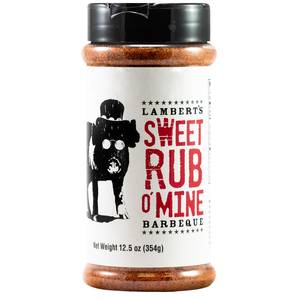
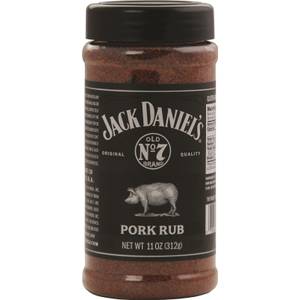
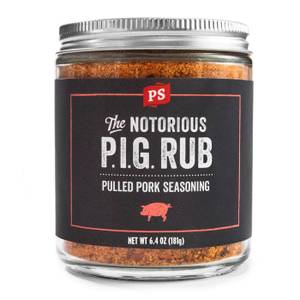
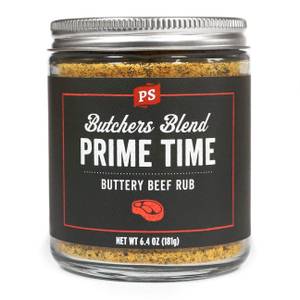
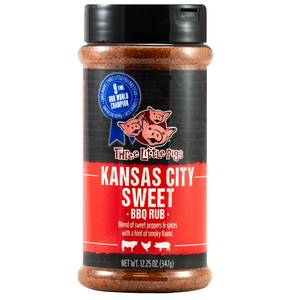
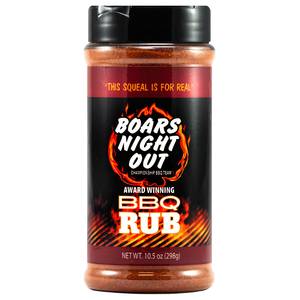
The kind of rub you choose depends of the type of meat and the flavor profile you’re aiming for. Here is a good rule of thumb to follow:
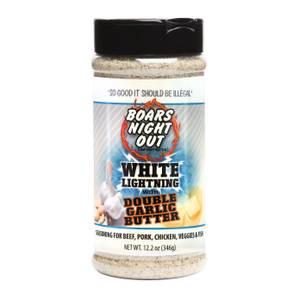
While rubs provide a base flavor, you can also add additional seasonings while cooking to compliment your dish. Think of seasoning as a way to fine-tune your meat’s flavor profile.
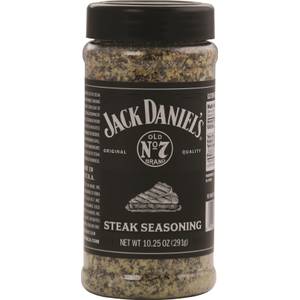
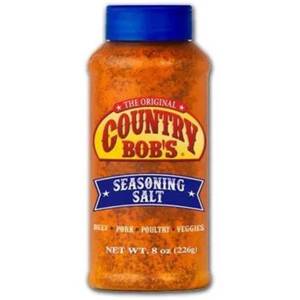
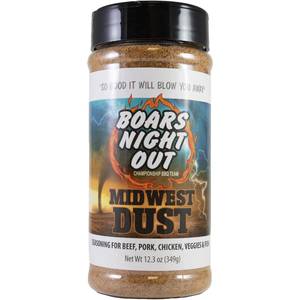
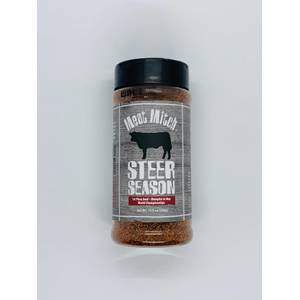
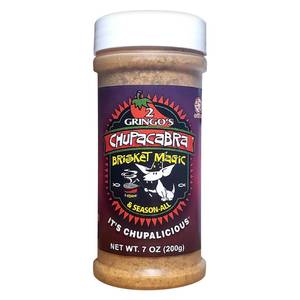
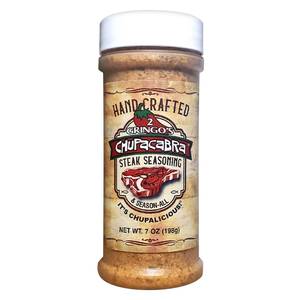
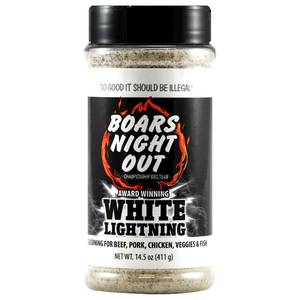
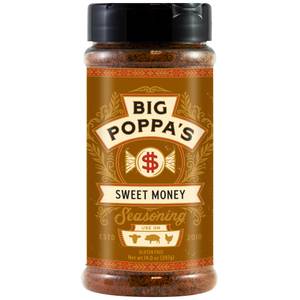
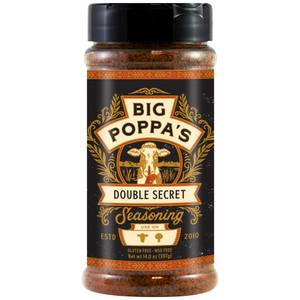
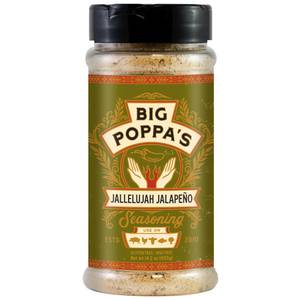
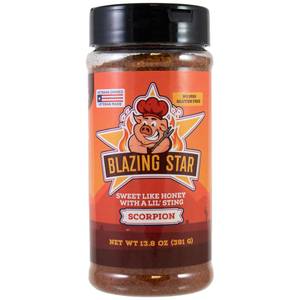
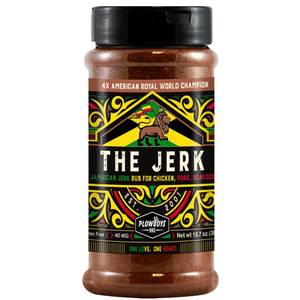
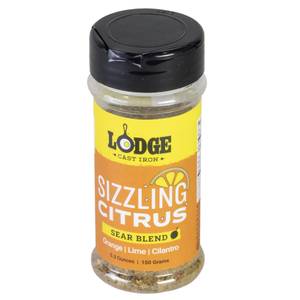
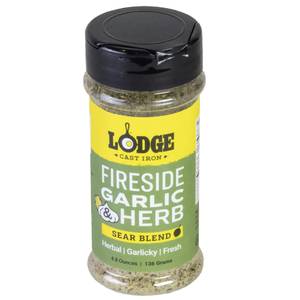
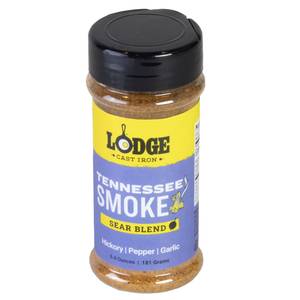
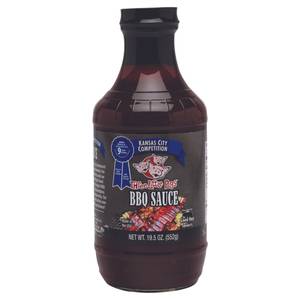
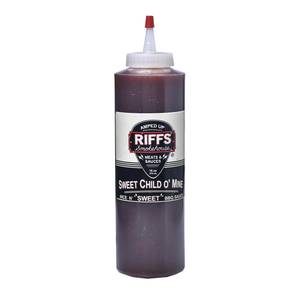
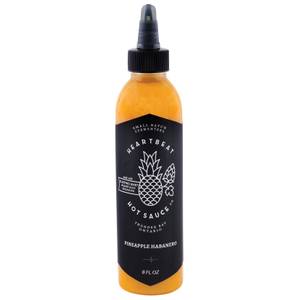
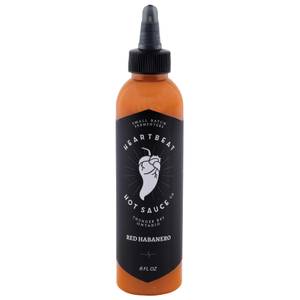
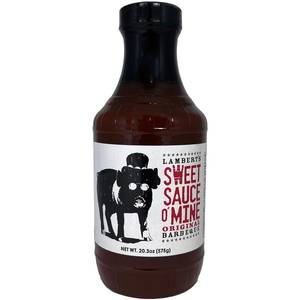
Barbecue sauces can transform a dish. They add moisture, richness, and layers of extra flavor. You can apply them before, during, or after cooking, depending on your desired outcome.
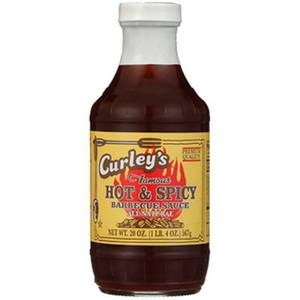
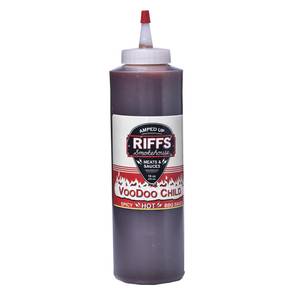
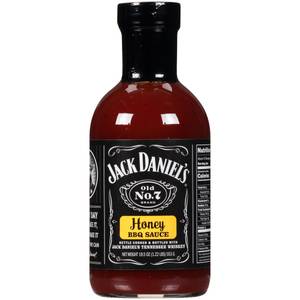
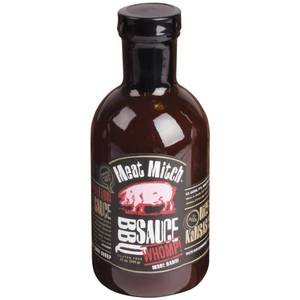
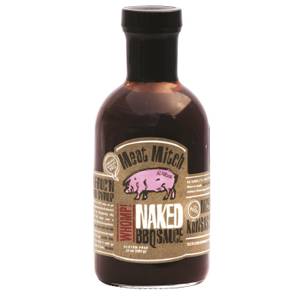
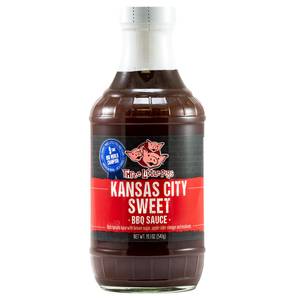
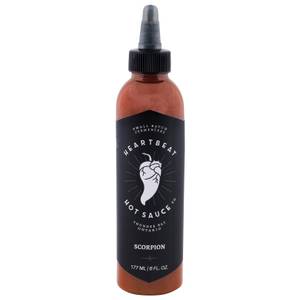
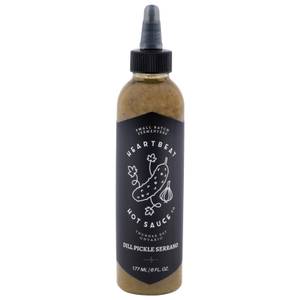
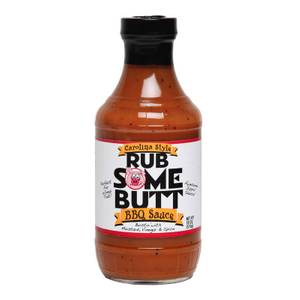
By understanding BBQ rubs, seasonings, and sauces, you’ll be well on your way to becoming a grill master. Remember, the key to a great barbecue lies in experimenting with different flavors. Don’t be afraid to try new combinations and alter recipes to suit your personal taste.
For more guides like this one, check out our other Grilling & Smoking articles.