Learn everything you need to know about rodent control with this complete guide.
Nobody wants to share their space with uninvited guests—especially if they leave droppings, spread diseases, and chew through your belongings. If you’ve spotted one of these signs, you’re not alone. Mice and rats affect millions of households in the United States each year.
It’s important to get a rodent problem taken care of sooner rather than later, as they pose health risks and can damage your property. The good news is that with the right approach, you can eliminate these pests long-term and keep them from coming back. Follow this guide from Blain’s Farm & Fleet to learn how to effectively tackle a rodent problem today.
Step 1: Inspection and Identification
Before you can solve your rodent problem, you’ll need to understand what you’re dealing with. Look for common signs of rodent activity, and identify the species.
Signs of Rodent Activity:
- Droppings: Rats leave droppings about 1/2 to 3/4 inch long, while mice leave smaller droppings that are about 1/4 inch long.
- Gnaw Marks: Look for these marks on electrical wires, furniture, and other household items. Fresh gnaw marks will look pale, while older ones will look dark.
- Noises: You might hear scurrying, scratching, or squeaking noises inside your walls or ceilings, especially at night.
- Nests: These typically consist of shredded paper, fabric, or other soft nesting materials in corners or hidden areas.
- Tracks and Trails: Look for dark, greasy marks along walls where rodents travel.
- Burrows: These will be small holes around your property’s foundation.
Types of Rodents:
- House Mice: Small (6-7 inches long), black or gray, and nest in corners
- Norway Rats: Larger (12-18 inches with the tail), reddish-brown thick body, blunt nose, and nest in burrows
- Roof Rats: Smaller than Norway rats but larger than mice, slim dark gray body, pointed noses, and nest in high areas like rooftops or trees
Step 2: Sanitation and Harborage
Rodents are resourceful but also rely heavily on humans for things like food, water, and shelter. Once you’ve discovered you have a rodent problem, the next step is to reduce these resources. This is essential for keeping them out. Here’s what you should look into as soon as possible:
- Food Storage: Store dry goods (including pet food) in sealed containers. Always clean up crumbs and spills immediately.
- Trash Storage: Keep your garbage in sealed bins with tightly fitting lids.
- Remove Clutter: Clear out indoor and outdoor spaces so rodents can’t hide. Piles of debris, tall grass, wood stacks, and cluttered garages and storage spaces are great living environments for rodents.
- Fix Leaks: If you have any leaky faucets, repair them as soon as you can. Also get rid of any standing water, and secure drains to eliminate their access to water sources.
- Seal Openings: Use steel wool, caulk, or concrete to plug any openings that allow access for rodents.
Step 3: Choosing the Right Rodent Control Method
Once you’ve dealt with any food, water, and entry points, it’s time to get rid of the rodents inside. Rodent control methods come in two main categories: traps and baits. Consider the factors below to choose the right method for your situation.
Baits
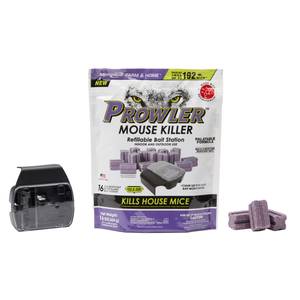
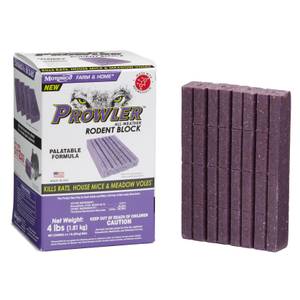
Rodent baits are a better choice for larger infestations or hard-to-reach spots. Baits come in a variety of different forms, including:
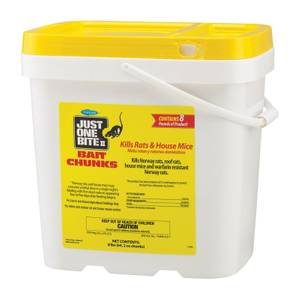
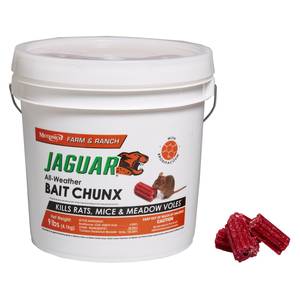
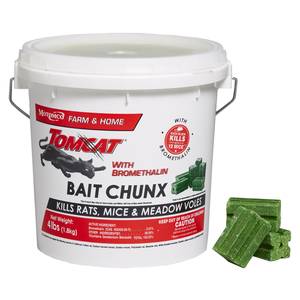
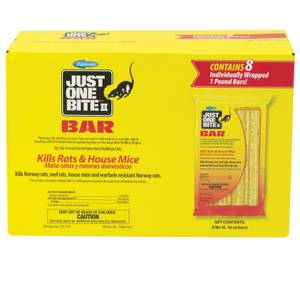
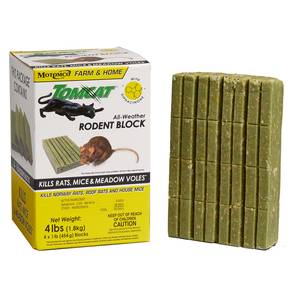
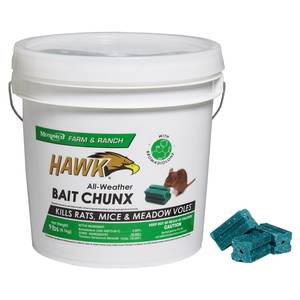
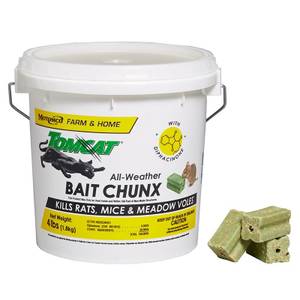
- Bait Chunx: These work well for monitoring consumption. Their unique block shape appeals to rodents’ natural gnawing behavior. And they’re great for both indoor and outdoor use because they’re mold and moisture resistant.
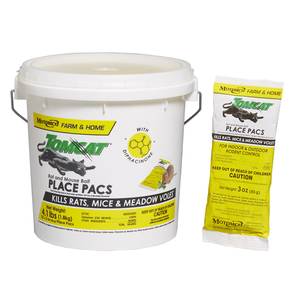
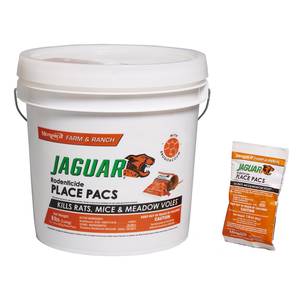
- Place Pacs: These work well for tight spaces like behind appliances. They come in sealed packs that protect the bait from odors, moisture, and dirt. And you won’t even need to open them. Rodents will just chew right through to get the pellets.
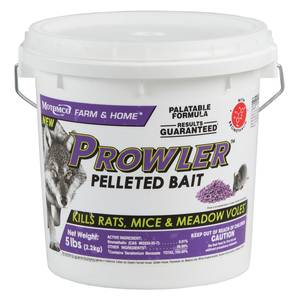
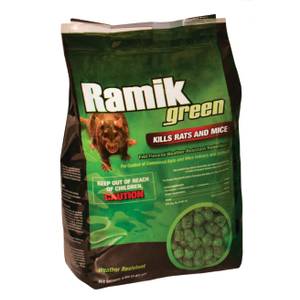
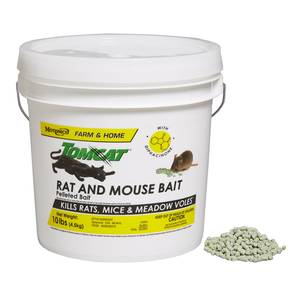
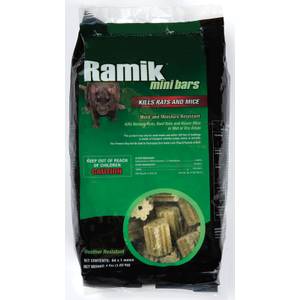
- Pelleted Bait: This is best for areas that aren’t accessible to children and non-target animals. They work well for outdoor settings like farms, as they’re a great choice for burrow baiting.
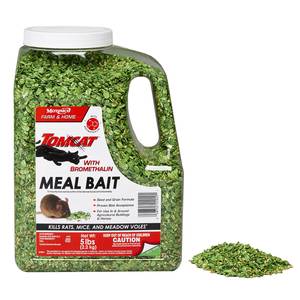
- Meal Bait: This is enticing for rodents, even when there are a lot of other competing food sources. The oat and grain formula is similar to rodents’ natural diet, encouraging them to eat it.
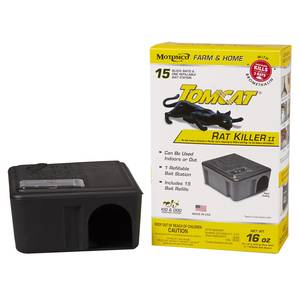
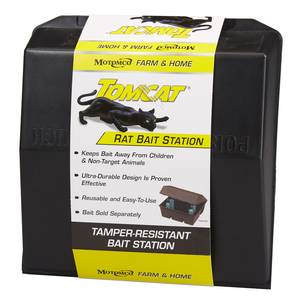
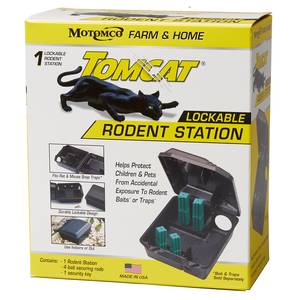
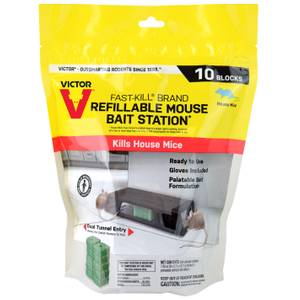
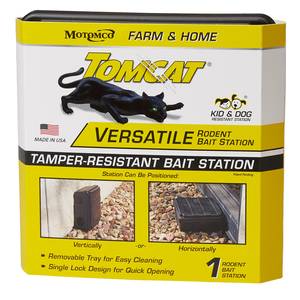
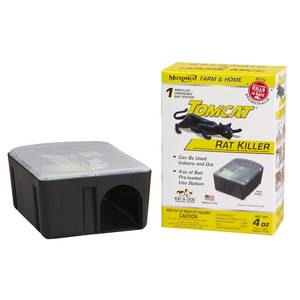
- Bait Stations: These are a safe and effective option to manage rodent problems around your home. They keep bait secure and out of reach of kids, pets, livestock, and other non-target animals. And they are protected from weather, encouraging rodents to take shelter and feed there.
Traps
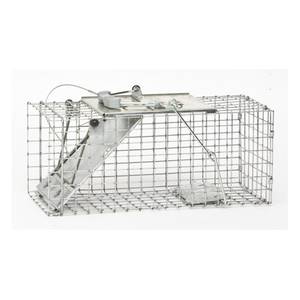
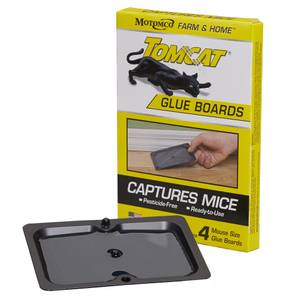
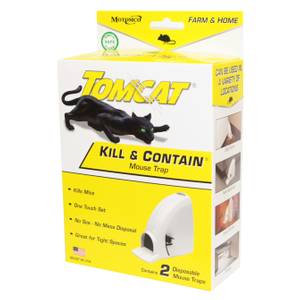
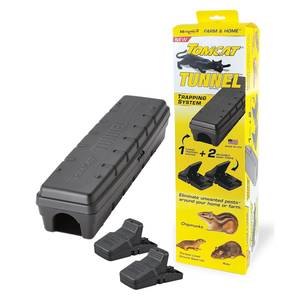
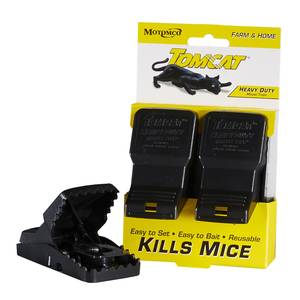
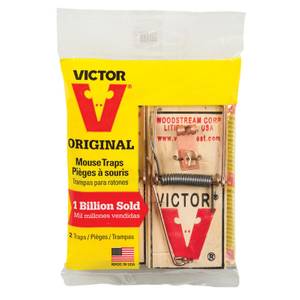
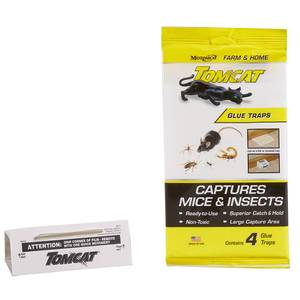
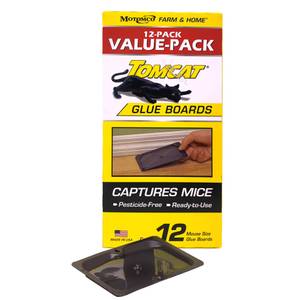
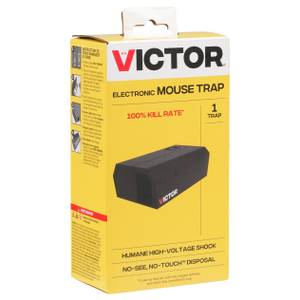
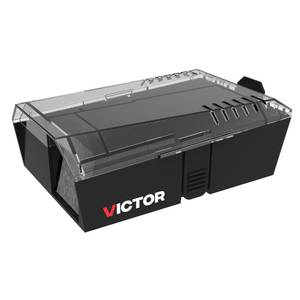
Rodent traps are efficient for small infestations and can be a more humane option. Different types of rodent traps include:
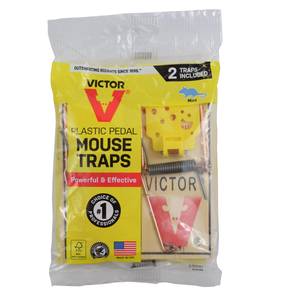
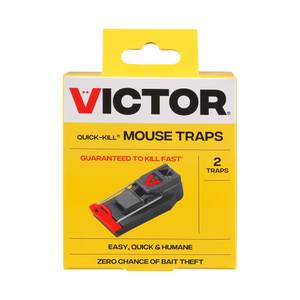
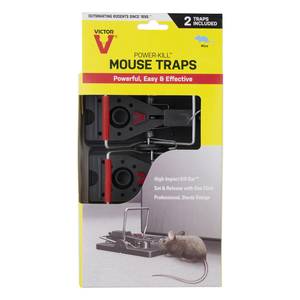
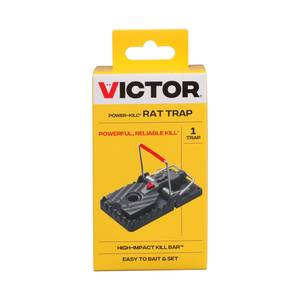
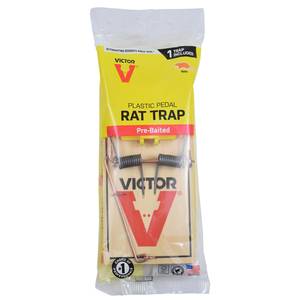
- Snap Traps: These provide immediate results without the use of poison. They’re a traditional option and are easy to use.
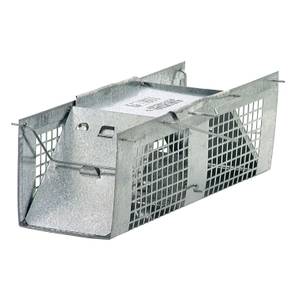
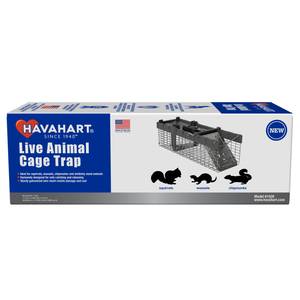
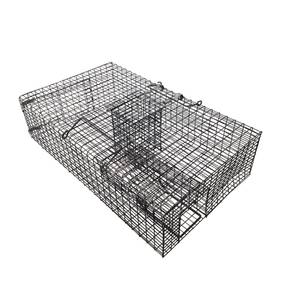
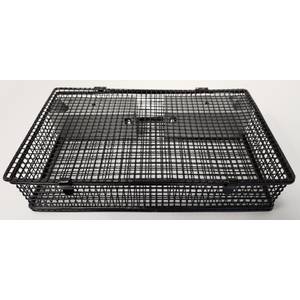
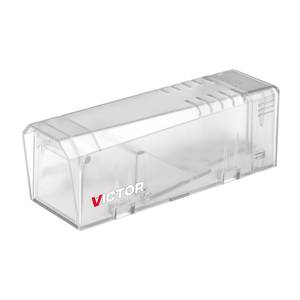
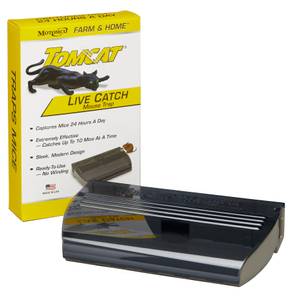
- Live Traps: These allow you to capture rodents without harming them. Once caught, you can release them far away from your home.
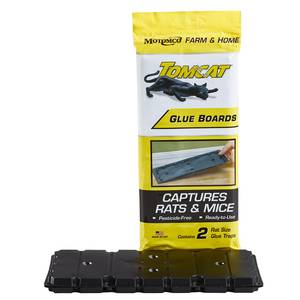
- Glue Traps: These are a great non-poisonous option for areas where bait isn’t recommended.
How to Use Rodent Baits and Traps
To see the best results, make sure you’re using your baits and traps to their full potential. The three main things to focus on are placement, rotation, and monitoring. Here’s how to do each one:
Placement
Place traps along walls, near droppings, around nesting areas, and anywhere else you’ve seen signs of activity. Space traps along walls 8-12 feet apart for mice and 15-30 feet apart for rats. Always use several traps at once.
For snap traps, make sure to position them perpendicular to walls with the trigger side facing the wall. And use attractive lures like peanut butter, seeds, or cheese. But avoid adding too much bait, as this may make the mouse traps less sensitive.
Be sure to follow the directions for any bait or traps to achieve the best and safest results.
Bait Rotation
Rodent populations can develop a tolerance to baits if you repeatedly use ones with the same active ingredient. For this reason, rotating baits will help you target mice and rats more effectively. You should plan to regularly alternate between anticoagulant and non-anticoagulant options. And if you notice the rodents aren’t interested in the bait you’re using, try switching to one with a different active ingredient as soon as possible.
Monitoring
Monitor your traps and baits regularly. If you’re not seeing positive results within a week, try moving your traps to new locations and changing your bait types. You should also replace any spoiled bait with fresh stuff.
Rodent Prevention Tips
Once you’ve solved your current rodent problem, follow these steps to make sure they don’t come back again:
- Seal Entry Points: Close off any gaps, cracks, and holes, so critters don’t have an easy way in. Pay special attention to gaps around pipes, vents, and foundation cracks. Also consider installing door sweeps and weather stripping, fixing any screens, and keeping exterior doors and windows shut as often as you can. Rodents can squeeze through holes smaller than you might think.
- Trim Plants: Create a three-foot area around your home that’s completely clear from debris and plants to eliminate hiding spots.
- Routine Checks: About once a month, inspect your property for signs of rodent activity, especially as the weather gets colder. Look for things like droppings or gnaw marks. It’s always best to catch the problem before it gets worse.
- Decrease Clutter: Regularly clean and declutter both the inside and outside of your home. It’s also a good idea to store firewood, lumber, and trash away from your house.
- Preventative Baiting: If you’ve had bad rodent infestations in the past, it’s not a bad idea to always keep some bait stations around your property’s perimeter. This will help deter mice and rats from coming back. You can also use a rodent repellent.
Safety Tips
- Keep baits and traps out of reach of children and pets, and always follow the label instructions to ensure everyone’s safety.
- Wear gloves when handling traps and baits, and make sure to thoroughly wash your hands afterwards. When cleaning up baits or traps, wear a face mask and ventilate the area.
- Don’t leave dead rodents or used bait out, especially in places where animals you’re not targeting could get to them. Follow local regulations to dispose of them properly.
- If someone in your home is vulnerable to illness or your rodent problem keeps coming back, consider calling a professional for help.
Dealing with a rodent problem can feel overwhelming, but the right tools and approach can help you regain control. If you notice signs of mice or rats, don’t wait. Inspect your space, block their access, and set out baits or traps right away. By following these steps, you can have a rodent-free home and protect your property from future infestations.
Shop Animal & Rodent Control
For more how-tos and buying guides like this one, check out our other Outdoor Maintenance articles.