Discover if canning on a glass top stove is safe and effective.
Home canning is a great way to preserve fruits, vegetables, and other foods and enjoy them all year long. But if you have a glass top stove, you might be wondering if it’s safe or practical to use for canning. The short answer is yes, it can be done—but only with proper steps and precautions. This guide from Blain’s Farm & Fleet and Ball will help you understand everything you need to know to safely and effectively can on a glass top stove.
Before you begin canning, it’s important to determine whether your glass top stove is suitable for this process. Some glass top stoves are designed to handle the weight and heat required for canning, while others are not. To ensure your safety and protect your stove, here are the main things to think about:
Check Your Stove’s User Manual: The first and most important step is to consult your stove’s user manual or contact the manufacturer directly. They can tell you whether your stove is safe for canning or if it poses risks, such as cracking under heavy weight or uneven heating.
Consider the Weight: Canning requires heavy pots filled with jars, water, and food. Glass top stoves have weight limits, and exceeding them could lead to cracks or damage to the surface. Make sure your stove can handle the combined weight of your canning equipment and contents.
Check for Heat Issues: Canning requires consistent high heat. Some glass top stoves have heat sensors to prevent overheating. While this feature is great for safety, it may not keep the consistent temperatures needed for safe canning. If your stove doesn’t maintain a steady heat, it might be a good idea to find an alternative method of canning.
Consider Surface Stability: Glass top stoves rely on smooth, flat surfaces to transfer heat evenly. Many traditional canners are too large or have warped or ridged bottoms, making them incompatible with glass tops.
Canners for Glass Top Stove Canning
If your stove is safe for canning, the next step is to gather the right tools. There are specific equipment requirements to ensure the process is both safe and effective. The most important thing you’ll need is a canner.
Smooth-bottom canners are essential for glass top stoves. The completely flat bottom ensures optimal heat distribution, which will allow the water to boil evenly for a safe canning process. Look for canners specifically labeled as compatible with glass top stoves. Here are the most common types of canners to choose from:
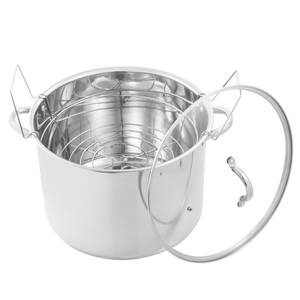
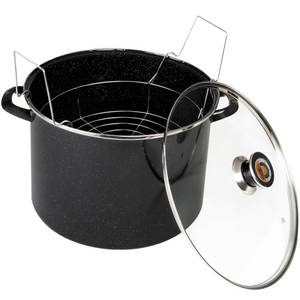
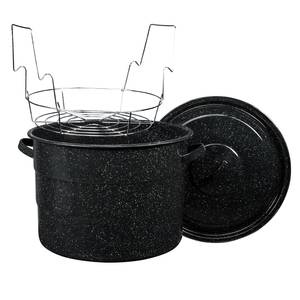
Water Bath Canners: Water bath canning is ideal for preserving high-acid foods like fruits, jams, jellies, and pickles. It typically requires less heat and pressure compared to other methods, making it a safer option for glass top stoves. Use a flat-bottomed canning pot that matches the size of your stove’s burner for best results.
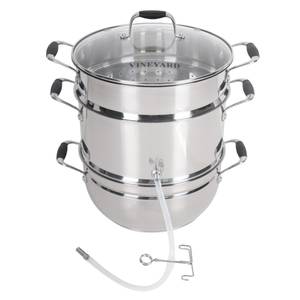
Steam Canners: Steam canning is a more recent alternative to water bath canning. Instead of submerging jars in water, steam canners use a small amount of water to create steam that processes the jars. They’re lightweight and typically designed to work well with glass top stoves, as long as you follow the manufacturer’s instructions.
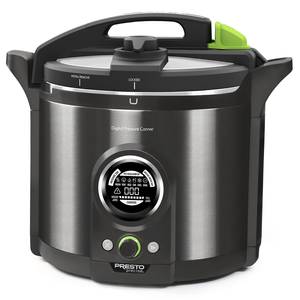
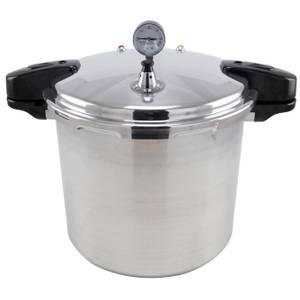
Pressure Canners: Pressure canning is necessary for preserving low-acid foods like meats, vegetables, and soups. This method is trickier with glass top stoves due to the high weight and constant pressure required. However, if your stove’s manufacturer approves it and you use a flat-bottomed pressure canner in an appropriate size, it is possible.
Your canner and contents shouldn’t exceed the weight capacity of your stove’s glass surface. Generally, manufacturers advise against pots or canners exceeding 50 pounds when filled with jars and water.
The canner’s diameter is another crucial factor. It should not exceed the size of your burner by more than one inch. Oversized pots can trap heat and damage the glass surface, so measure your stove and canner carefully before starting.
And since heat regulation can be a challenge on glass top stoves, having a reliable thermometer and timer will help you monitor the process closely and ensure food safety.
Tips for Canning on a Glass Top Stove
Once you’ve determined that your equipment and stovetop are safe to use, follow these tips to ensure a smooth canning process:
Use the Right Burner: Choose a burner on your stove that matches the size of your canner as closely as possible (it will likely be your largest burner). This helps distribute heat more evenly to accommodate the size of the canner.
Heat Gradually: When canning on a glass top stove, avoid sudden changes in temperature. Gradual heating reduces the risk of thermal shock, which can crack the glass and damage your stove.
Check Jar Placement: Organize your jars with even spacing inside the canner. Crowding can obstruct heat circulation, leading to uneven processing. Adding a rack inside the canner can prevent jars from being in contact with the bottom, reducing the risk of breakage.
Stay Nearby: Keep an eye on the stove to ensure your food is safely preserved. Be ready to adjust the heat if needed, and clean up any spills immediately.
Alternatives to Canning on a Glass Top Stove
If you’re unsure about canning on your glass stove or the manufacturer advises against it, there are alternative options to help you preserve food safely:
Portable Electric Burners: Look for burners designed specifically for canning, as they can provide consistent heat.
Outdoor Propane Burners: For larger batches, outdoor propane burners offer ample heat and space. However, ensure your burner produces consistent heat and is safe for use with canning.
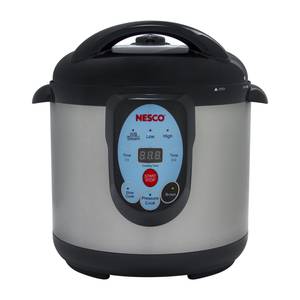
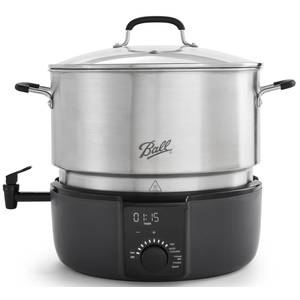
Electric Canners: Some models can operate without a stovetop, making them ideal for anyone limited by glass top stoves.
Canning on a glass top stove is possible, but it requires careful planning and the right tools. By ensuring your stove is compatible, investing in the right equipment, and following the tips above, you can safely preserve your favorite foods without damaging your stove.
Quick answer: Seasonal canning means preserving fruits and vegetables at their peak ripeness using water bath or pressure canning methods. Water bath canning works for high-acid foods like jams, pickles, and tomatoes. Pressure canning is required for low-acid foods like green beans and corn. Done correctly, home-canned goods store on pantry shelves for 12 to 18 months. If your garden produces more than your household can eat in a week,
While lost liquid won't harm your food, it can darken it. Learn about the some of the reasons why your canning jars are losing liquid with the help of Blain's Farm & Fleet.