Article
10 Vehicle Checks for a Road Trip
Before you go on your next road trip, make sure your car is road safe ready with these ten easy vehicle checks.
Read More February 4, 2015 | Blain's Farm & FleetChoosing the right hydraulic fluid for your tractor is essential for maintaining optimal performance and longevity. It ensures smoother operation, minimizes wear and tear, and extends your tractor’s lifespan. It also reduces the risk of system malfunctions and costly repairs, ultimately saving you time and money.
Incorrect fluid usage can lead to increased friction, overheating, and even system failure. It can cause damage to seals and other components, leading to expensive repairs. Always verify compatibility with your tractor before making a purchase.
With various types of hydraulic oils and fluids available, finding the correct one might seem daunting. This guide from Blain’s Farm & Fleet breaks down how you can find the best one for your tractor.
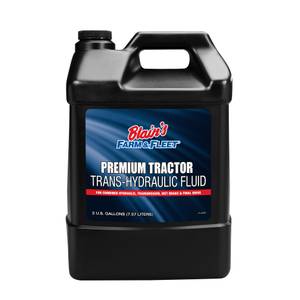
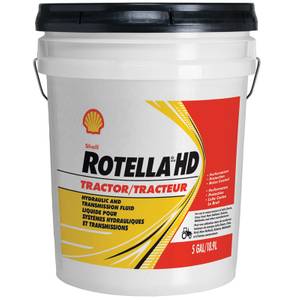
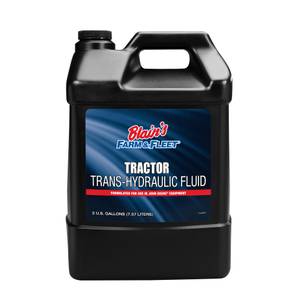
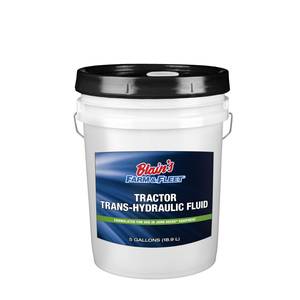
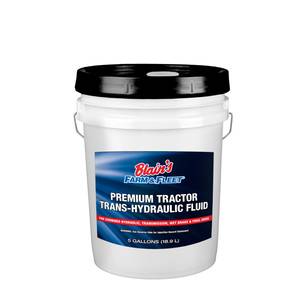
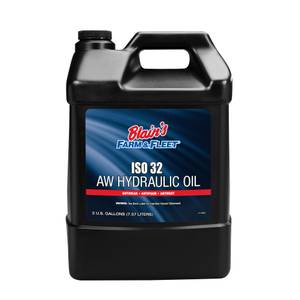
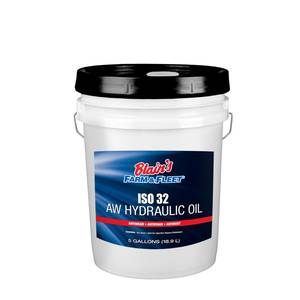
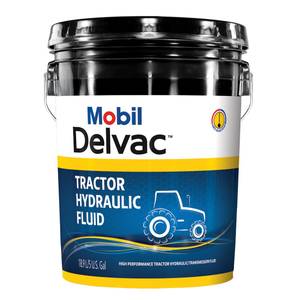
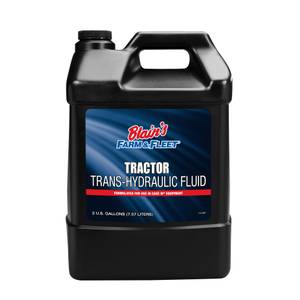
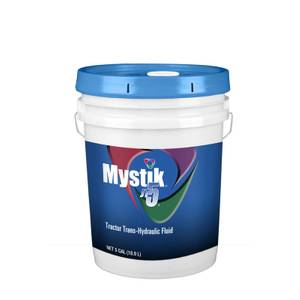
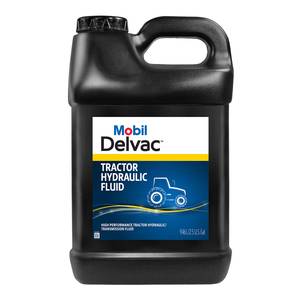
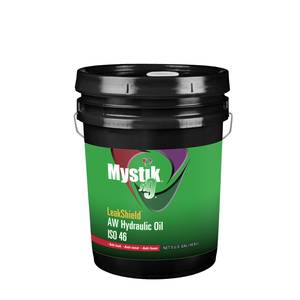
Tractor hydraulic fluids fall into two main categories: hydraulic fluid and trans-hydraulic fluid. Generally, older tractors and collector tractors have separate transmission and hydraulic systems, requiring specific hydraulic oils. These types of tractors most likely need a universal tractor hydraulic fluid or an ISO-specific hydraulic oil.
On the other hand, modern tractors (especially those built after 1980) typically use trans-hydraulic fluids, which serve both systems efficiently. Different tractor manufacturers have different specifications for the trans-hydraulic fluids that should be used in their equipment. You should always use a trans-hydraulic fluid that says it meets your tractor’s maker on the label. There are also universal trans-hydraulic fluids that meet the specifications of most tractor manufacturers.
Understanding your tractor’s specifications is crucial. Begin by identifying your tractor’s year, make, and model. This information will guide you in selecting the appropriate fluid.
Your owner’s manual should tell you which one is recommended for your tractor. If you don’t have your owner’s manual, you can contact your nearest dealership that sells or services tractors with the same make as yours. They should be able to look up the manufacturer recommendations for you.
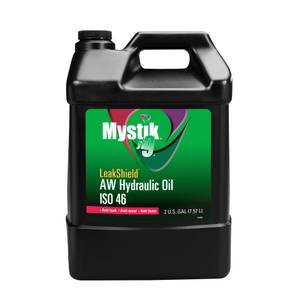
When selecting a fluid, pay attention to labels indicating whether it’s an ISO or AW fluid. Both oils are the same weight, but ISO fluids meet standard specifications, while AW fluids also include anti-wear additives. AW oils are generally superior to ordinary ISO oils for use in older tractors. Always ensure your chosen fluid meets the manufacturer’s specifications to avoid potential issues.
Below is a reference table that will help you convert SAE oil weight to ISO or AW rating.
| SAE | ISO/AW |
|---|---|
| 10W | 32 |
| 15W or 20W | 46 |
| 20W | 68 |
| 30W | 100 |
Regular maintenance is key to keeping your tractor in top condition. Check fluid levels frequently, and replace them according to the manufacturer’s schedule. Keep an eye out for leaks and address them promptly to prevent further damage.
Selecting the right tractor hydraulic fluid is crucial for maintaining your equipment’s performance and longevity. By understanding the different types of fluids and following the manufacturer’s guidelines, you can ensure your tractor operates smoothly. Remember, taking these preventative measures today can save you from significant headaches tomorrow.

For more buying guides like this one, check out our other Farm Equipment articles.