

How ToArticle
Turkey Calls & How to Use Them
Before you set out in your blind on your next turkey hunting trip, pack plenty of turkey calls to help you track your next kill this year.
Read More March 12, 2015 | Blain's Farm & FleetWhen you’re gearing up for a hunt, having the right apparel can make all the difference. Your choice of boots is no exception.
Good hunting boots are specifically designed to handle the demanding conditions hunters often face. From rough terrains to varying weather conditions, the right pair of boots can protect your feet, provide necessary support, and keep you comfortable for long periods. Quality hunting boots also help to reduce noise and prevent injuries.
Whether you’re a seasoned hunter or a beginner, choosing the right pair of hunting boots is crucial for a successful trip. From waterproofing and insulation to fit and support, this guide from Blain’s Farm & Fleet will walk you through each essential feature to help you make an informed decision.
So let’s dive in and explore what makes a great pair of hunting boots, ensuring you’re prepared for whatever nature throws your way.
Before getting into specific features, consider where and when you’ll be hunting. Different terrains and climates require different types of boots.
Rocky or steep terrain requires boots with good ankle support and traction, while waterproof boots with high insulation are a must for wetlands. And in warm climates, breathable, lightweight boots are ideal.
You should also consider how long you’ll be wearing the boots. If you’re planning longer hunts, comfort is especially important. Look for boots with cushioned insoles and good arch support.
Leather boots are durable and offer a good amount of protection and support. They are also relatively easy to maintain, and you can waterproof them with special treatments. Full-grain leather is the most durable, while split-grain leather is lighter but less water-resistant.
Synthetic materials like nylon and polyester are lightweight and often more breathable than leather. These boots dry quickly and are typically more affordable. However, they may not offer the same level of durability and protection as leather boots.
Rubber boots are entirely waterproof and provide excellent protection in wet environments. They are easy to clean but can be heavy and less breathable. These boots are ideal for swampy or marshy hunting grounds.
Some rubber boots are even made to be snake-proof. They’re lined with dense materials and an extra rubber layer to combat sharp fangs.
One of the most important features in hunting boots is waterproofing. Wet feet can ruin a hunting trip by causing blisters, discomfort, and even hypothermia in cold conditions. Look for boots with waterproof membranes like Gore-Tex or treatments that prevent moisture from seeping in.
Insulation is essential for hunters who venture out in cold weather. Insulated boots keep your feet warm by trapping body heat inside. The level of insulation needed depends on the climate and duration of your hunts.
Insulation is listed in grams per square meter of fabric. The more grams, the more insulated your feet will be.
While waterproofing and insulation are crucial, breathability should not be overlooked. Boots that allow moisture and heat to escape will keep your feet dry, comfortable, and free of blisters. Look for breathable materials like Gore-Tex that offer a balance between waterproofing and ventilation.
Good traction is essential for maintaining stability on various surfaces. Pay attention to the tread pattern. Quality hunting boots will have tread patterns that provide grip on muddy, rocky, and uneven terrains. Vibram soles are popular for their durability and traction.
There are three common types of soles:
Consider the construction method. Goodyear welt construction, for instance, is known for its durability and ease of resoling.
Proper ankle support prevents injuries. Different boot heights will have different levels of support. High-cut boots offer better support but may be heavier. Mid-cut boots provide a balance between support and mobility.
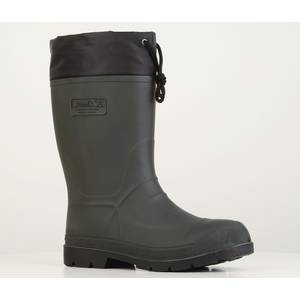
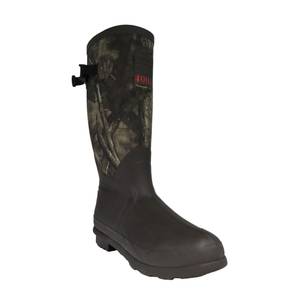
There’s nothing worse than boots that are too small or too large. Boots that don’t fit right can lead to blisters, discomfort, and even serious foot problems. To find your perfect fit, you should wear your hunting socks when trying on boots.
If you try on hunting boots with regular socks, they aren’t going to fit the same as when you’re actually hunting. If you plan on adding a liner to your boots, go two sizes up so the liner and your feet both fit comfortably.
It’s best to try on hunting boots late in the day, when your feet are more swollen. The boots should fit snug around your instep and ankles. You should also be able to move your toes.
If the hunting boots pinch or cut off circulation, they’re too small. Walk around in the boots, and try to find an incline to walk up and down on. If your feet slide forward, the boots are too wide.
Even the best hunting boots need a break-in period to conform to your feet and become comfortable. Breaking them in will prevent blisters and ensure they provide the support needed during your hunt. Start by wearing them around the house and on short hikes before heading out on a full-day hunt.
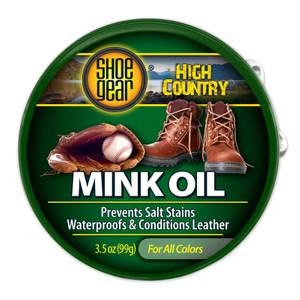
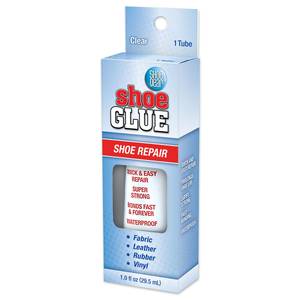
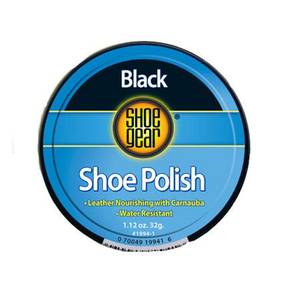
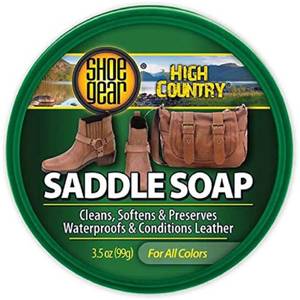
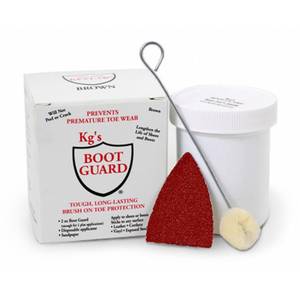
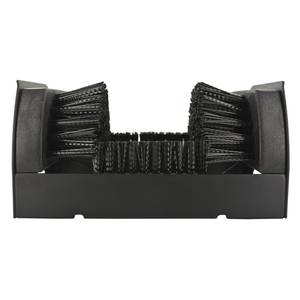
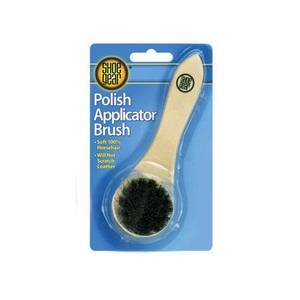
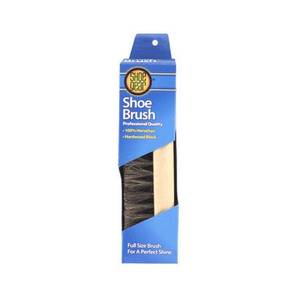
You should regularly clean your hunting boots to extend their lifespan. Remove dirt and debris with a brush, and use a damp cloth to wipe down the surface. For leather hunting boots, apply a conditioner to keep the material supple and resistant to moisture.
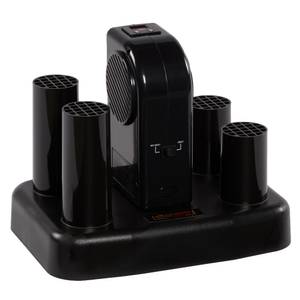
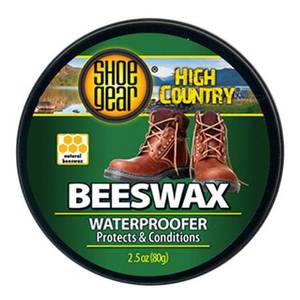
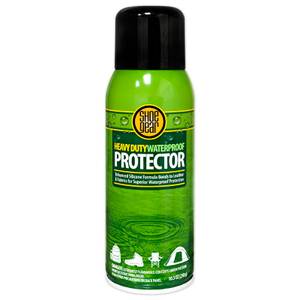
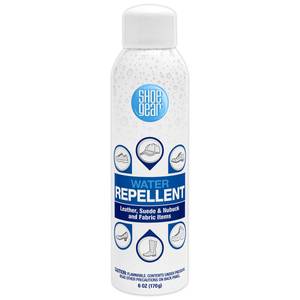
Periodically reapply waterproofing treatments to ensure your boots remain in top shape. Spray-on treatments and waxes are available for both leather and synthetic boots.
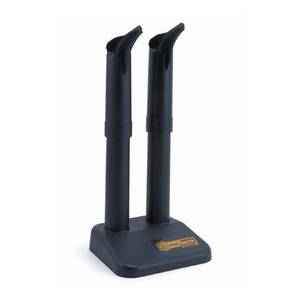
Store your boots in a cool, dry place away from direct sunlight. Stuff them with newspaper or boot trees to maintain their shape and absorb any remaining moisture.
While it may be tempting to choose the cheapest option, investing in high-quality hunting boots pays off big time in the long run. Quality boots offer better protection, durability, and comfort. And investing in a good pair of hunting boots is investing in your hunting experience. Take the time to make an informed choice, and your feet will thank you on every hunting adventure.
Now that you know what to look for in hunting boots, it’s time to take action. At Blain’s Farm & Fleet, you’ll find men’s and women’s hunting boots for all kinds of terrain and weather conditions from trusted brands like Lacrosse, Western Chief, and The Original Muck Boot Company. Plus, we carry all the hunting socks, blaze oranges and camouflage clothing you’ll need to be ready for hunting, from head to toe.
For more buying guides like this one, check out our other Hunting articles.