


Buying GuideArticle
Hammer Buying Guide
One of the most common tools is a hammer. Learn about the different types of hammers so you have the right one for your next project.
Read More March 30, 2015 | Blain's Farm & FleetSelecting the right power saw can significantly impact the success and efficiency of your woodworking projects. Whether you’re new to woodworking or a seasoned professional, having the proper tool is essential for getting the job done efficiently, accurately, and safely.
But with so many options to choose from, it can be overwhelming to determine which saw will best meet your needs. This guide from Blain’s Farm & Fleet will provide you with all the information you need to confidently choose the perfect power saw for your projects.
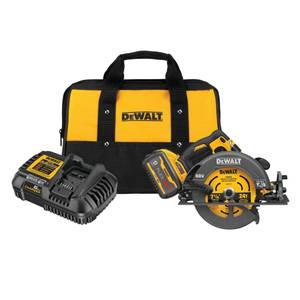
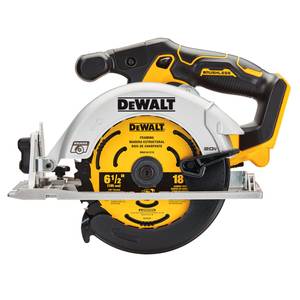
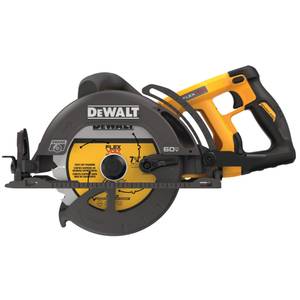
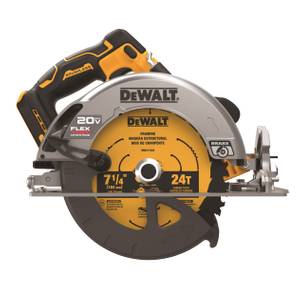
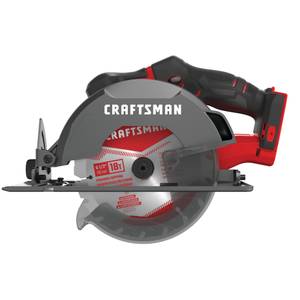
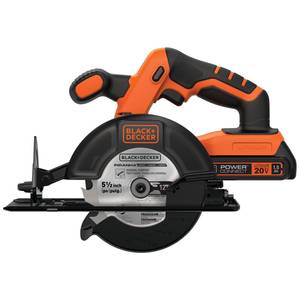
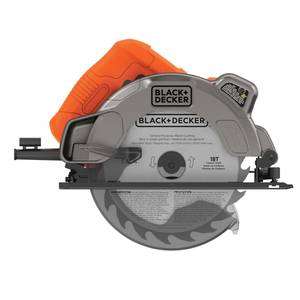
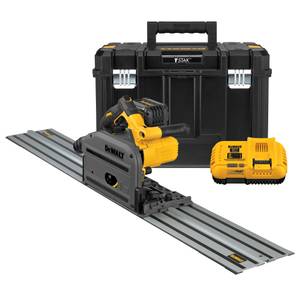
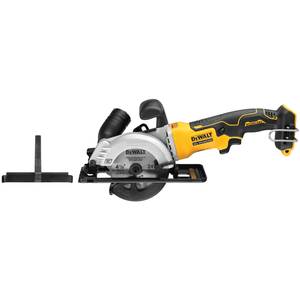
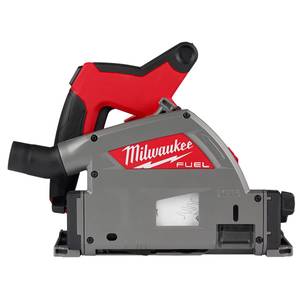
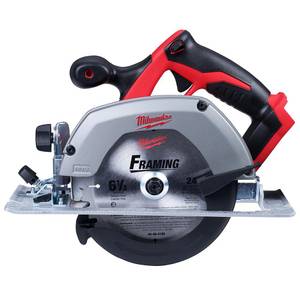
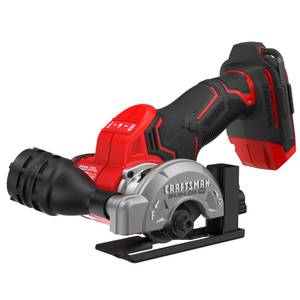
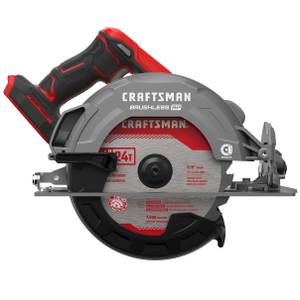
Circular saws are versatile, and you can use them in a variety of woodworking projects. They use a toothed blade that rotates at high speeds to make straight cuts in wood, metal, plastic, and other materials. They’re especially great for a remodel. Whether you’re laying down laminate flooring or replacing your trim, these are an ideal option.
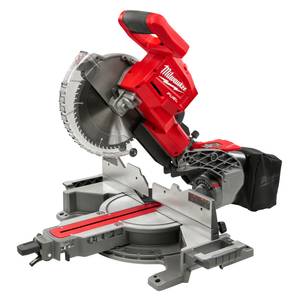
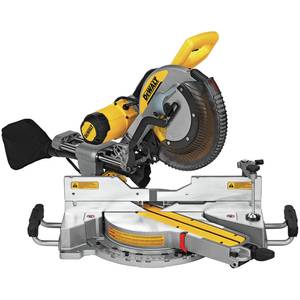
Miter saws are perfect for making precise crosscuts and angle cuts. They’re essential for tasks involving trim work, molding, and framing.
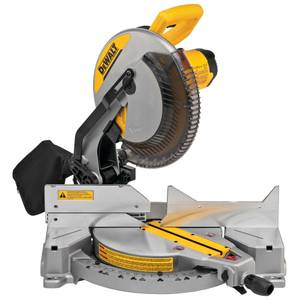

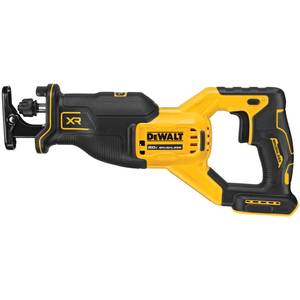
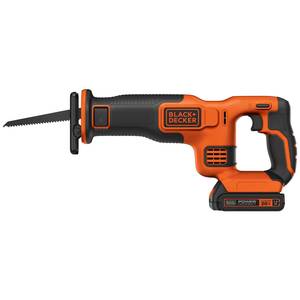
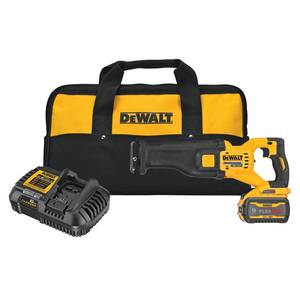
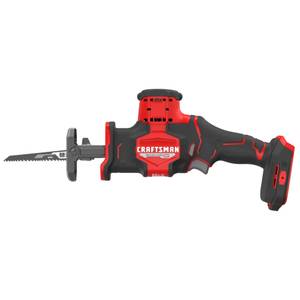
Reciprocating saws, also known as sawzalls, are handheld tools designed for rough cuts and demolition work. They feature a back-and-forth motion to cut through various materials quickly.
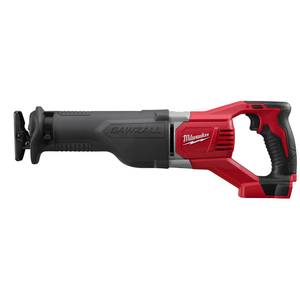
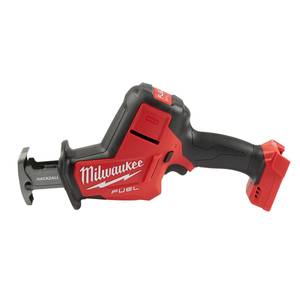
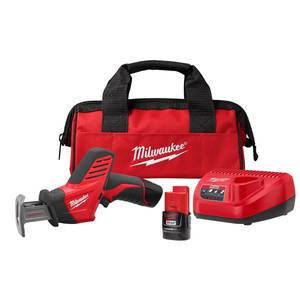
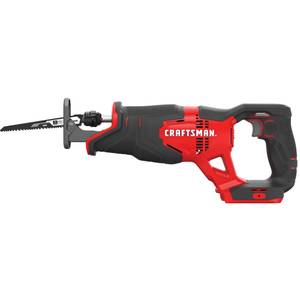
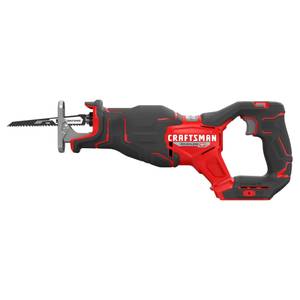
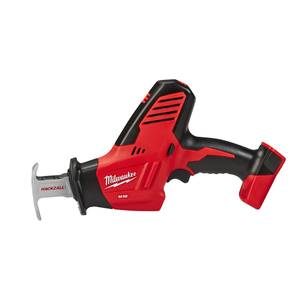
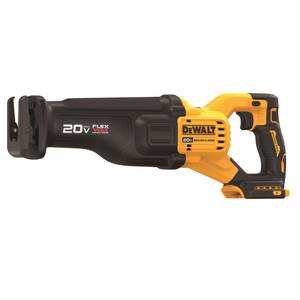
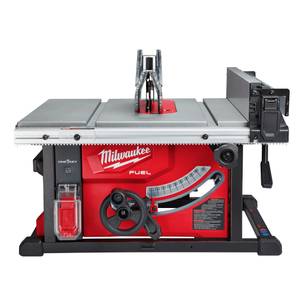
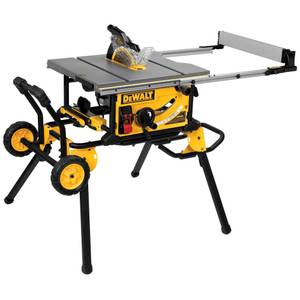
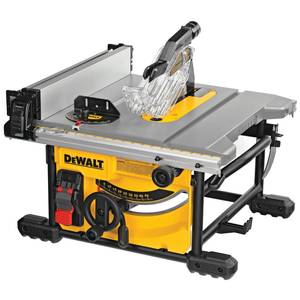
Table saws offer high precision and are essential for ripping large sheets of wood lengthwise. These stationary saws provide a stable platform for accurate cuts. If you’re planning a big project like building a deck or framing a building or room, go with one of these bad boys. They are rugged and heavy duty to make your life easier.
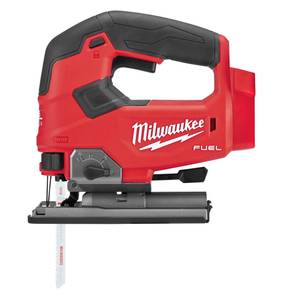
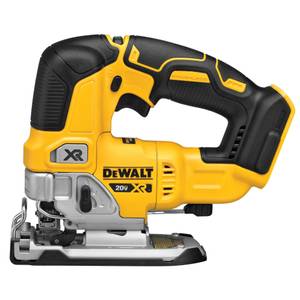
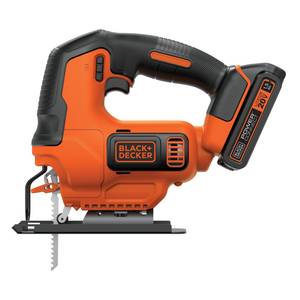
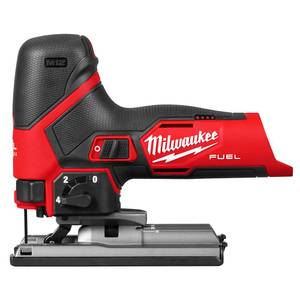
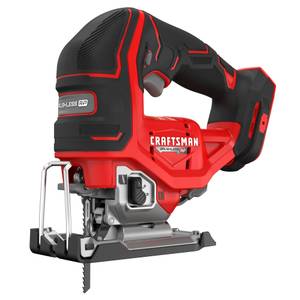
Jig saws are ideal for making intricate types of cuts and curves in wood, metal, and plastic. They are highly versatile and user-friendly, making them a favorite for DIY projects.
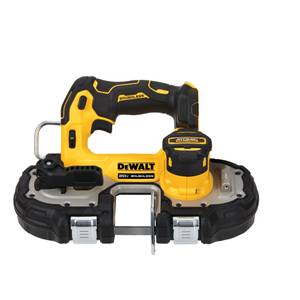
Band saws utilize a continuous loop of metal teeth to make both straight and curved cuts. They are especially useful for re-sawing and cutting irregular shapes.
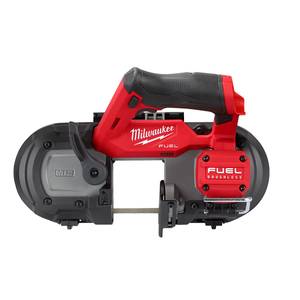
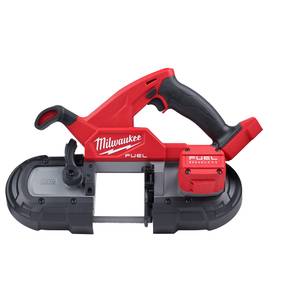
The power of a saw is crucial for its performance. For corded models, power is measured in amps, while cordless models are rated in volts.
Higher power ensures smoother and faster cuts through tougher materials. We suggest opting for higher cutting power if you’ll be working with dense materials frequently.
Blades come in a variety of types and sizes, each suited for different materials and cuts. Ensure the saw you choose is compatible with readily available blades. Consider investing in high-quality blades to improve cutting performance and longevity.
Safety should always be a priority. Look for saws with safety features such as blade guards, electric brakes, and anti-kickback mechanisms. Always wear protective gear, including goggles and gloves, while operating power saws.
Consider the weight, handle design, and overall ergonomics of the saw. A well-designed saw reduces fatigue and improves accuracy. Test the saw in-store if possible to ensure it feels comfortable and balanced in your hands.
Modern power saws may come with LED lights, laser guides, and dust extraction or collection systems. These features can enhance both precision and convenience.
When choosing a type of power saw, it’s important to keep in mind the kind of projects you’ll be working on. Think ahead a couple of years, and don’t just consider the projects you’re dreaming about now. Pick the saw that will meet your needs now and in the future.
Buying a power saw is an investment in your craft. By following this guide, you can choose the perfect tool that meets your needs. At Blain’s Farm & Fleet, you can find a wide variety of power saws and other power tools to choose from.
For more buying guides like this one, check out our other Tools articles.