Finding the perfect snack to satisfy both your sweet tooth and salty cravings can be a challenge. That’s where our DIY sweet and salty snackle box comes into play. It’s a simple yet delicious way to enjoy a variety of flavors all in one convenient package.
Whether you’re preparing snacks for work, a road trip, or just need a handy go-to option at home, a snackle box can keep you satisfied and energized throughout the day. In this guide from Blain’s Farm & Fleet, we’ll walk you through the steps of crafting your very own, customizable sweet and salty snackle box.
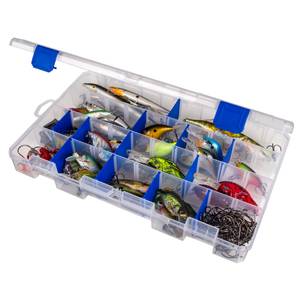
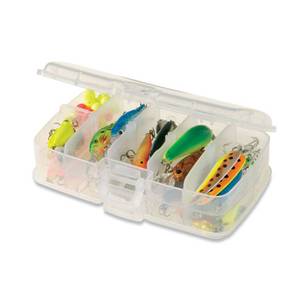
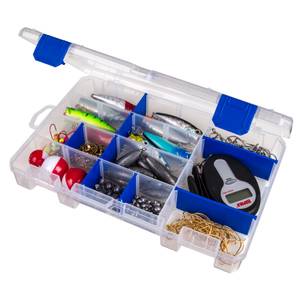
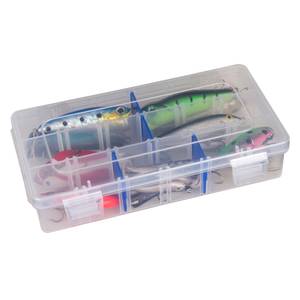
Before you start picking out your tasty fillings, begin by selecting the right container. You’ll need something with compartments for variety, but it also must be portable and durable. The classic option is a small tackle box meant for fishing, which is what we used. A plastic one with dividers will work perfectly.
Remember, the goal of a snackle box is convenience, so pick a container that’s easy to clean and carry. It should also have a tight seal to keep snacks fresh and prevent spillage.
A well-balanced snackle box should include a mix of carbohydrates, proteins, and healthy fats. It should also have a good balance of sweet and salty treats, offering a variety of textures and flavors. Here are some foods we recommend:
Sweet Components
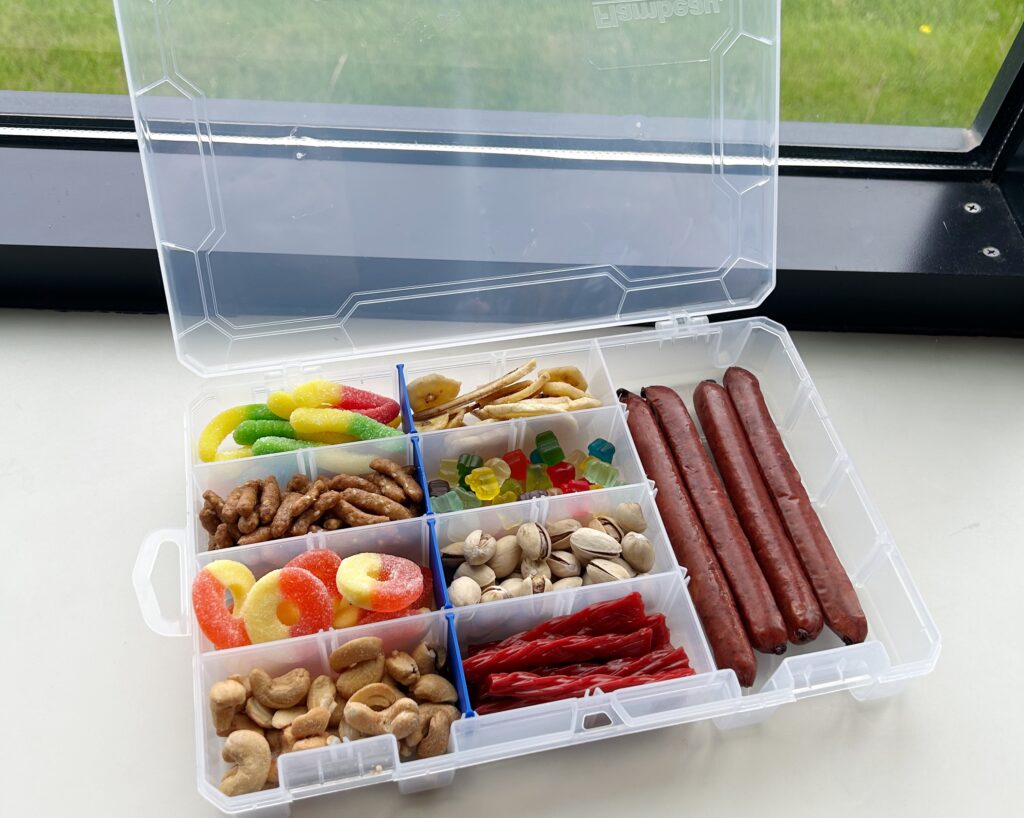
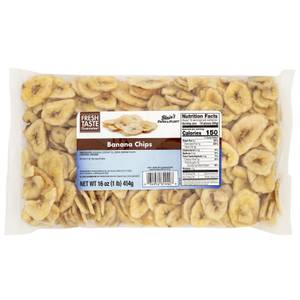
Fruit: Fruit provides natural sweetness and essential vitamins. You can go with fresh fruit, dried fruit, or both! Dried fruit is a good choice if you want it to last longer. We used dried bananas chips.
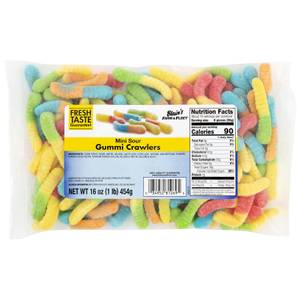
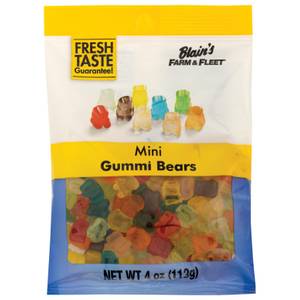
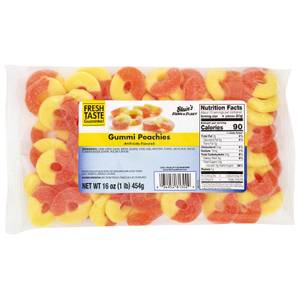
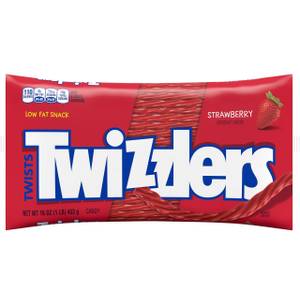
Candy: While not the healthiest choice, adding a little candy is sure to make your snackle box more tasty. Go with chocolate, gummy candies, or whatever kind is your favorite! We used gummi peachies, mini sour gummi crawlers, mini gummy bears, and Twizzlers.
Granola Bars: For some added fiber and nutrients, you can add some granola or granola bar pieces.
Once you’ve gathered your ingredients, it’s time to assemble your snackle box. Follow these steps for a well-organized box:
Prepare Your Ingredients: Wash and cut any fruits, veggies, or other larger components. We had to cut our Twizzlers in half to fit in our tackle box.
Arrange the Box: You can choose to keep all your sweet items in one section of the box and all salty items in another, or you can mix them up! We alternated between the two for a fun mix. Choose compartments according to portion sizes. For example, we reserved the biggest compartment in our box for the beef sticks, as those were the longest item we had.
Seal and Store: Properly close the container to maintain freshness. If your snackle box contains perishable items like fresh fruit or cheese, make sure you store it in the refrigerator.
Creating a DIY snackle box is a fun and easy way to enjoy a variety of treats in one convenient package. By selecting balanced ingredients and organizing them thoughtfully, you can make snack time both delicious and nutritious.
Summer is the perfect time for preserving vegetables from your garden. Learn how to make pickled radishes with the help of Ball and Blain's Farm & Fleet.
Quick answer: Match your cooking oil to your heat level by checking its smoke point, which is the temperature at which oil starts to break down and release visible smoke. For high-heat cooking, such as searing, use refined avocado oil (520°F), refined peanut oil (450°F), or canola oil (435°F). For low to medium heat, extra virgin olive oil (374°F) or butter (302°F) works well. For ceramic and nonstick pans, always
A container fountain is an easy and affordable way to add a water feature to your garden. Make one with the help of Pond Boss and Blain's Farm & Fleet.