ArticleHow To
Tire Pressure: How To Check It
Do you think your tire pressure is low? Follow the easy steps to check your car's tire pressure and get back out on the road safely.
Read More February 11, 2015 | Blain's Farm & FleetWhen it comes to maintaining vintage tractors or trucks, finding the right hydraulic fluid is crucial. People usually buy vintage tractors and tillage equipment at auctions. So, collectors don’t always have access to their owner’s manuals. Owner’s manuals are important because they include the tractor’s specifications, replacement parts, and which oil it requires.
Oil has also changed since the old days, and the ways manufacturers list the recommended oil today versus in the past can vary. Often, the hydraulic oil for an older tractor is listed using an SAE oil weight. This would not be a problem if hydraulic oils weren’t labeled using the ISO system now—but they are.
If you need to change the oil or hydraulic fluid in your tractor and you’re not sure which weight to buy, Blain’s Farm & Fleet is here to help with our simple SAE-to-ISO oil conversion chart.
For vintage tractors and trucks, the recommended oils are often listed using SAE weights. However, many modern hydraulic oils use ISO grades. This discrepancy can complicate maintenance without a proper conversion method.
The goal is to match the oil’s viscosity as closely as possible to what the manufacturer recommends ensuring the vehicle components are well-lubricated and function efficiently.
Use this chart to compare common SAE hydraulic oil weights with approximate ISO equivalents for older tractors and trucks:
| SAE | ISO/AW |
| 10W | 32 |
| 15W or 20W | 46 |
| 20W | 68 |
| 30W | 100 |
This oil conversion chart is approximate.
Note: ISO grades overlap with SAE weights in some cases. For instance, ISO 46 can replace both SAE 15W and 20W oils depending on the temperature.
SAE and ISO are standardized specifications that define the viscosity of oils. These standards ensure that one brand’s oil is consistent in viscosity with another’s, even if they use different labeling systems.
SAE viscosity grades are primarily used for automotive oils. They range from low-viscosity winter grades like SAE 0W and 5W to high-viscosity grades like SAE 50. The “W” indicates winter, which means the oil performs well in colder temperatures.
ISO viscosity grades, on the other hand, are mainly used for industrial lubricants. These grades are represented by numbers like ISO 32, ISO 46, and ISO 68. Higher numbers indicate higher viscosity.
Start by finding the SAE oil weight listed in your equipment manual, if you have it. Then use the chart above to find the closest ISO equivalent. Because these conversions are approximate, it is also important to consider how and where the equipment is being used, especially in different temperatures.
Depending on the temperature you run your engine in, you may want to use a slightly thicker or thinner oil. In very cold weather, you may want to use a thinner hydraulic oil because the cold thickens your oil. However, even if it’s extremely hot, you should not use a thicker oil.
You may notice that ISO 46 can replace both 15W and 20W SAE oils. This is because the ISO specifications are broad, and they overlap with SAE weights in some cases. If your tractor or truck calls for 20W hydraulic oil, it may be best to use the thicker ISO 68 in hot temperatures and thinner ISO 46 in cold weather.
It’s important to get the right hydraulic oil for your tractor or truck to make sure that the hydraulics work well and last for a long time. Only use this chart to find an oil equivalent to the manufacturer’s recommended oil for your tractor or truck.
Understanding and converting SAE to ISO oil grades is essential for maintaining vintage tractors and trucks. By following this guide, you can ensure your vehicle receives the appropriate hydraulic fluid.
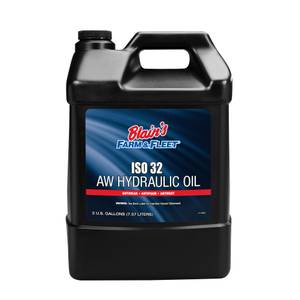
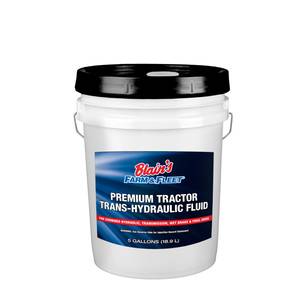
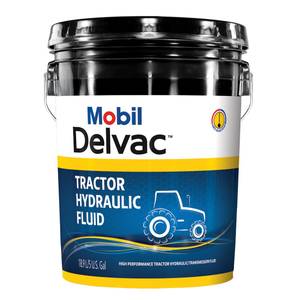
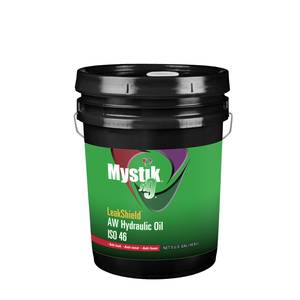
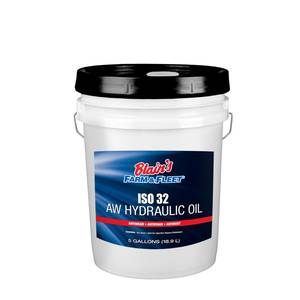
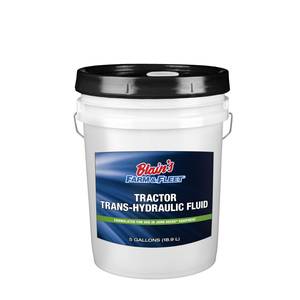
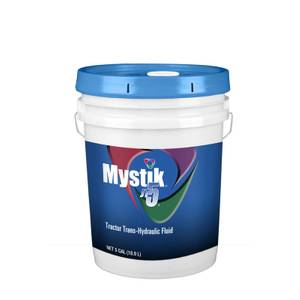
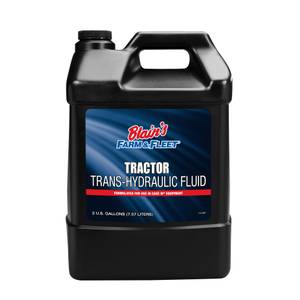

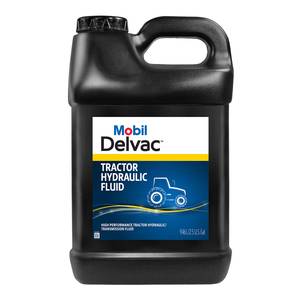
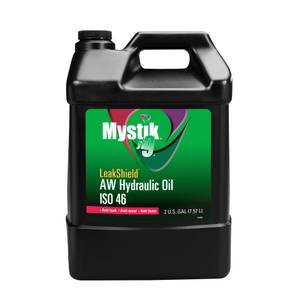
Visit our buying guide on hydraulic fluid if you still aren’t sure which one is right for your tractor.
Often, yes, but not always in every respect. ISO 46 refers to the viscosity grade, while AW 46 usually means the oil is an anti-wear hydraulic fluid with that same viscosity grade. In many cases, they are closely related, but it is still important to check the product details and your equipment requirements before making a switch.
ISO 46 hydraulic oil is commonly used in hydraulic systems operating in moderate temperatures. It is a popular choice because it falls in the middle of the viscosity range, though the right oil still depends on the equipment and the conditions it runs in.
ISO 32 is a lower-viscosity hydraulic oil grade. Compared with ISO 46 or ISO 68, it is thinner and may be better suited to applications or temperatures where a lighter hydraulic fluid is recommended.
AW 68 hydraulic oil is a heavier hydraulic fluid that may be used in hotter operating conditions or in systems designed for a thicker oil. As with any hydraulic fluid, the best choice depends on the manufacturer’s recommendation and the temperature range where the equipment is used.
Not always. ISO 46 and ISO 68 are different viscosity grades, so they are not interchangeable in every application. The right choice depends on the equipment, the operating conditions, and the recommended hydraulic fluid.
Look for “AW” on the product label. This usually means the hydraulic oil includes anti-wear additives designed to help protect hydraulic system components during operation.
For more guides like this one, check out our other Farm Equipment articles.