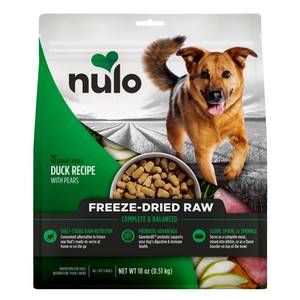
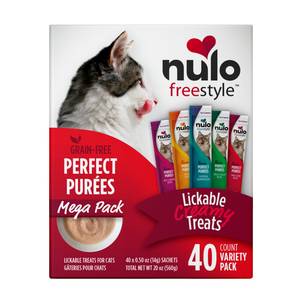
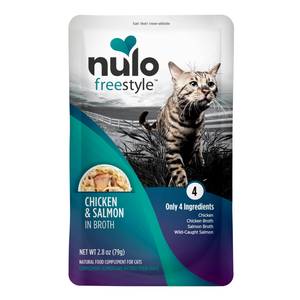
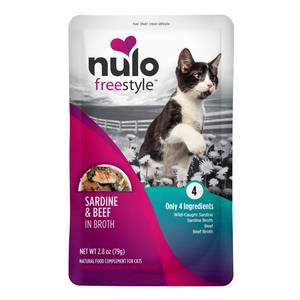
Standing in the pet food aisle can feel overwhelming. One bag says “high protein.” Another says “grain-free.” A third promises “premium nutrition.” But what do those claims actually mean?
The truth is that the best way to evaluate dog food or cat food is by reading the pet food label. Understanding the ingredient list and nutritional information can help you make more informed decisions for your pet, whether you’re feeding an active sporting dog, a growing puppy, an indoor cat, or a senior companion.
In this guide, we’ll explain how to read a pet food label, what ingredients matter most, and how to identify products that align with your pet’s nutritional needs.
What Should You Look for on a Pet Food Label?
The most important things to look for on a pet food label are:
A named animal protein as the first ingredient
Appropriate protein and fat levels
Life-stage-specific nutrition
Quality ingredient sourcing
Functional ingredients like probiotics
Complete and balanced nutrition
These factors are often more helpful than front-of-bag marketing claims when determining food quality.
What Ingredient Should Be First in Pet Food?
A quality pet food typically lists a named animal protein among the first ingredients.
Examples include:
Chicken
Turkey
Salmon
Whitefish
Beef
Lamb
Animal proteins provide essential amino acids that help support muscle maintenance, growth, energy production, and overall wellness.
Yes. Chicken meal can be a high-quality ingredient in pet food.
Many pet owners assume meat meals are lower quality, but that’s not necessarily true. Meat meals are concentrated protein sources created by removing moisture from the original protein ingredient.
Look for clearly identified ingredients such as:
✅ Chicken Meal
✅ Turkey Meal
✅ Salmon Meal
These ingredients provide transparency and allow pet owners to understand exactly what protein source is being used.
How Much Protein Does a Dog or Cat Need?
The ideal protein level depends on your pet’s age, breed, activity level, and overall health.
Pets that often benefit from higher-protein diets include:
Puppies
Kittens
Sporting dogs
Working dogs
Active family pets
Some senior animals
Protein helps support:
Lean muscles
Recovery after activity
Healthy body condition
Long-term wellness
Many pet owners actively seek high-protein dog food because protein plays such an important role in overall health.
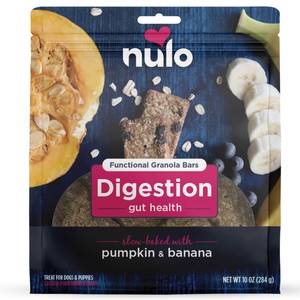
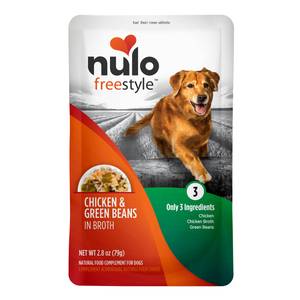
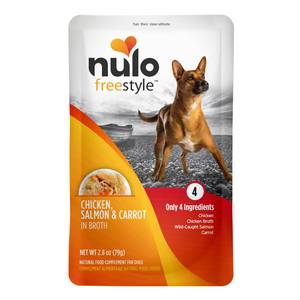
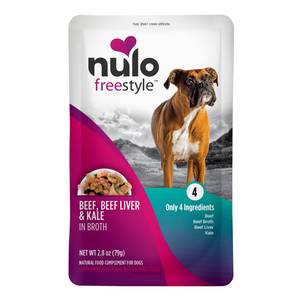
Food toppers are nutritional additions that can add flavor, moisture, variety, and sometimes additional nutrients to your pet’s meals.
Many pet owners use food toppers because they:
Increase meal excitement
Add moisture to dry kibble
Boost protein intake
Encourage picky eaters
Introduce additional flavors and textures
Food toppers are especially useful when a pet seems bored with their current food but doesn’t necessarily need a complete diet change.
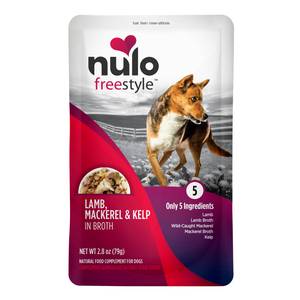
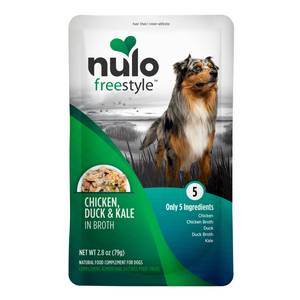
For dogs, options such as chicken, salmon, beef, lamb, and broth-based toppers can provide extra flavor while complementing a complete and balanced diet.
Frequently Asked Questions About Pet Food Ingredients
What ingredient should be first in pet food?
A named animal protein such as chicken, salmon, turkey, lamb, or beef should typically be one of the first ingredients listed.
Is high-protein pet food better?
High-protein diets can be beneficial for active pets, puppies, kittens, and many adult animals, but needs vary by individual pet.
Are grain-free foods healthier?
Not necessarily. Some pets do well on grain-free diets, while others thrive on grain-inclusive nutrition.
What are food toppers for dogs?
Food toppers are additions that can increase flavor, moisture, and variety while complementing a complete and balanced diet.
What ingredients should cat owners prioritize?
Cat owners should focus on animal-based proteins, complete nutrition, and formulas developed specifically for feline needs.
How do you know if pet food is high quality?
Look for identifiable protein sources, transparent ingredient lists, appropriate nutrition for the life stage, and functional ingredients that support health.
The Bottom Line
The best pet food label is one that clearly tells you what’s inside the bag and why those ingredients are there. By understanding protein sources, nutritional analysis, digestive-support ingredients, and life-stage requirements, you can make more informed decisions for your pet.
Whether you’re searching for high-protein dog food, nutrition for an active cat, digestive support, or simply a way to make mealtime more exciting, understanding pet food labels is one of the most valuable tools a pet parent can have.
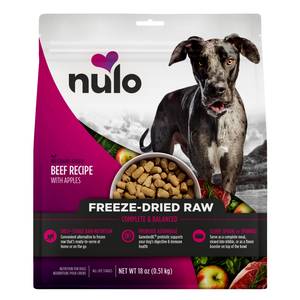
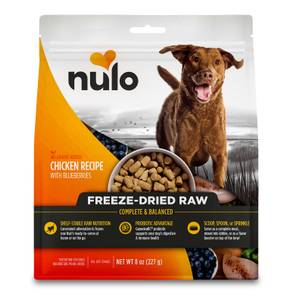
And as you evaluate your options, remember that products such as dry food, wet food, food toppers, freeze-dried raw recipes, and functional treats can all play a role in building a nutrition plan that fits your pet’s unique needs.
Follow these basic steps from Wahl to learn how to groom your dog from the comfort of your own home! Learn how to brush, trim nails, and give them a bath.