Start placing your live bee orders now at Blain’s Farm & Fleet!
Are you ready to jump into the fascinating world of beekeeping? Whether you’re a seasoned beekeeper or just getting started, Blain’s Farm & Fleet is making it simple to get the most important part of your hive—live honey bees. Read on to discover everything you need to know about ordering and preparing for your bees.
How to Order Live Bees
You can place your live bee orders online or in-person at any of our store locations. All orders must be made by March 14th, 2026.
We are offering four different bee packages to choose from:
Live Bee Shipping
All live bee orders will be shipped directly to your home, via UPS or Speedee, between April 15th and May 19th, 2026 (weather permitting). A confirmation number will be sent to your specified email account.
We ask that someone be present at the time of delivery, and it must be the person whose name is on the order details. If needed, you will be able to update your delivery through UPS or Speedee for specific delivery instructions or changes.
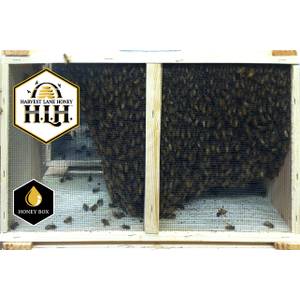
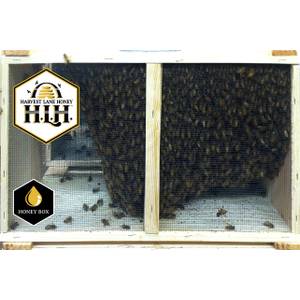
They will be shipped overnight to ensure the best experience for your bees. It’s common to experience a loss of bees during the shipment process, which is why our supplier loads more than three pounds of bees into your package.
For installation questions about your live bee delivery, contact Harvest Lane Honey Customer Service at (435) 840-0495 or contact@harvestlanehoney.com.
If you end up with an extensive number of dead bees in your package, contact Blain’s Customer Service at (800) 210-2370 or customerservice@farmandfleet.com within 24 hours of receiving the damaged shipment. A photo of the delivery may be requested.
What to Do Before Your Bees Arrive
We also want to help prepare you for the arrival of your honey bees! Refer to the information below to learn more about what to do before you get your bees.
- Choose a location for your hive(s): Pick a sunny location near a water source that’s easy to access and is safe. Go with an area away from humans and animals who could be easily stung, and make sure the hive can’t easily be knocked over.
- Prepare your hive(s): Paint or stain the exterior of your hive with exterior latex paint. Avoid dark colors, such as black or navy, that will trap more heat in the summertime.
- Choose your feeding method: Pick either a bucket feeder, entrance feeder, or frame feeder. And have your feeders ready to go before your bees arrive.
- Mix a batch of sugar water: A few days before your bees are scheduled to arrive, prepare a 50/50 mix of sugar and water for their first feeding. You will need to make at least a couple of gallons of sugar water per hive.
- Learn: Read up on as much as you can about bees and beekeeping before they arrive.
Care & Installation of Packaged Bees
- If weather conditions are poor when your bees arrive, you can hold the package for several days in a dark room or basement where the temperature is close to 50° F.
- Feed packaged bees heavily until the colony is well established (do this for at least the first few weeks after installation). Use the 50/50 sugar and water mix you already prepared, or use high fructose corn syrup. Consider using a feeding stimulant that is added to your sugar water.
- Keep entrances reduced to a small size until the bee colony is well established. This prevents robbing and conserves heat.
- Do not add supers or a second hive body until the bees have drawn out and covered seven of the 10 frames.
- You may also want to feed your bees pollen or a pollen substitute after installation.
Honey Bee Habitat & Nutrition
- Bees need a diverse mix of natural pollen and nectar. Place your hives in an area where at least three species of flowering plants are in bloom from spring through fall.
- Make sure uncontaminated water sources are readily available.
- Pollen patties and sugar can be substituted as a food source when floral resources are inadequate.
- Don’t place too many hives in one area, as it will increase the likelihood of disease and parasite spread. Plus, the bees will be competing over resources.
Get Your Beekeeping Supplies
At this point, you know what supplies you need and how to care for your hive. Now, it’s time to begin shopping. You can purchase your live bees and supplies right on our website!
To learn more about caring for your honey bees, check out our Beekeeping articles.