Article
Water Tubing Safety Tips
On a nice summer day, there's nothing better than a day on the water. Read how to stay safe while water tubing this summer.
Read More April 15, 2015 | Blain's Farm & FleetAre you looking for a trolling motor but feeling a bit lost in the sea of options? Well, you’ve come to the right place.
Choosing the right trolling motor can be a game-changer for your fishing or boating adventures. It’s not just about moving from one point to another. It’s about doing so efficiently and quietly while still having control over your boat. But with so many types, sizes, and features available, it can be hard to know where to start.
That’s why Blain’s Farm & Fleet is here to help you find the perfect trolling motor to suit your needs. Whether you’re a seasoned angler or a weekend boater, we’ve got you covered.
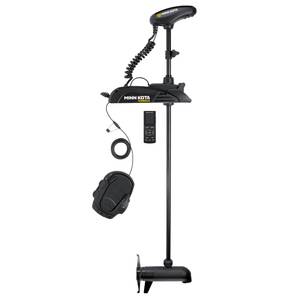
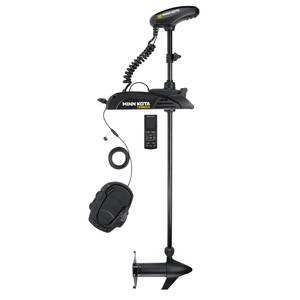
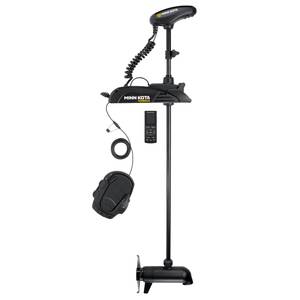
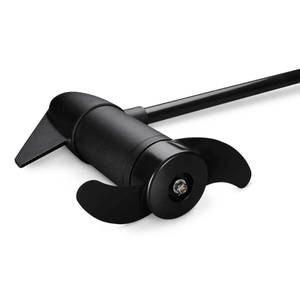
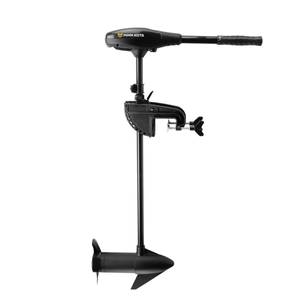
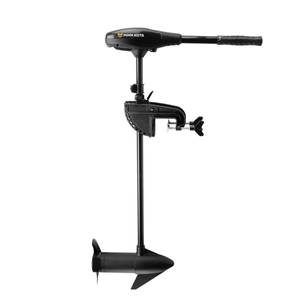
Before making a purchase, it’s important that you understand what a trolling motor is. Simply put, it’s a self-contained unit that includes an electric motor, propeller, and controls, mounted on either the bow or transom of your boat. Its main job is to provide quiet, efficient propulsion that helps you maneuver your boat without disturbing the fish.
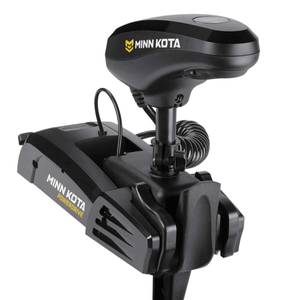
Bow-Mounted Motors: Ideal for serious anglers aiming for easy maneuverability, especially in challenging waters. They offer better control and allow the boat to be pulled through the water, leading to smoother steering.
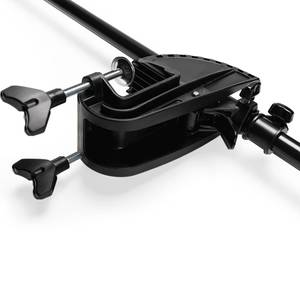
Transom-Mounted Motors: Perfect for casual outings and smaller boats. They’re easier to install and operate but might offer less control compared to bow-mounted motors.
Consider your fishing style and boat size when deciding which mounting option aligns with your needs.
The thrust of a trolling motor, measured in pounds, directly influences its ability to move your boat. As a rule of thumb, you’ll need at least two pounds of thrust for every 100 pounds of boat weight.
When it comes to power, remember: more voltage equals more thrust. Trolling motors come in three main voltage categories:
Calculate your boat’s fully-loaded weight (including passengers, gear, and the boat itself) to determine the necessary thrust power.
The correct shaft length ensures optimal performance. If it’s too short, you risk the propeller not being submerged deep enough. If it’s too long, it may hit the bottom or be hard to control. A general guideline is that the top of the motor section should be submerged 12 inches into the water.
Measure the distance from the mounting point on your boat to the waterline to find the ideal shaft length for your setup. Here are some handy guides to help:
| Bow to Waterline | Recommended Shaft Length |
|---|---|
| 0-16″ | 36″ |
| 16-22″ | 42″ |
| 22-26″ | 48-52″ |
| 26-34″ | 54-62″ |
| Stern to Waterline | Recommended Shaft Length |
|---|---|
| 0-16″ | 30″ |
| 16-22″ | 36″ |
| 22-26″ | 42″ |
Remember, the higher the voltage of your motor, the more batteries you’ll need. Each 12V requires one battery, so a 24V motor needs two batteries, and a 36V motor requires three. Opt for deep-cycle marine batteries for the best performance and longevity.
Plan your battery setup based on the voltage of your trolling motor to ensure you have enough power for your trips.
Motors are specifically designed for the type of water they will operate in because of corrosion-resistance requirements. Make sure you pick one that matches your fishing environment.
Now you’re ready to select the perfect trolling motor for your boating adventures. Remember, the right choice depends on your specific needs, preferences, and the type of fishing you enjoy.
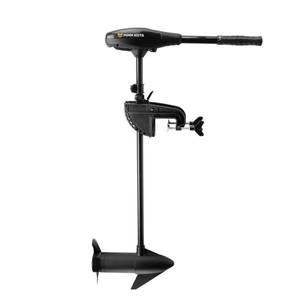
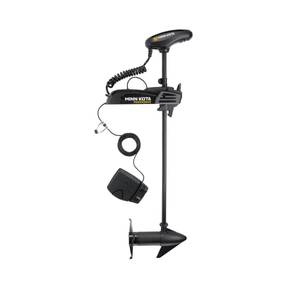
At Blain’s Farm & Fleet, you can find a wide variety of different Minn Kota trolling motors to choose from.
For more buying guides like this one, check out our other Boating articles.