Buying GuideArticle
Finding The Right Kayak Paddle
We'll show you how to use a few quick measurements from your kayak and body to find a kayak paddle that will be comfortable and effective.
Read More July 9, 2015 | Blain's Farm & FleetHeading out on a kayaking adventure but not sure what to pack? Whether you’re a beginner or an experienced paddler, bringing the right kayaking gear is essential to ensure your safety, comfort, and fun on the water. This guide from Blain’s Farm & Fleet will walk you through must-have items you’ll need, so you can feel confident on your next kayaking trip.
Regardless of where you’re kayaking or how experienced you are, you should always have these basic items with you.
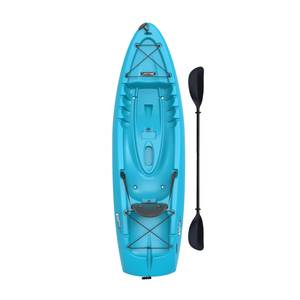
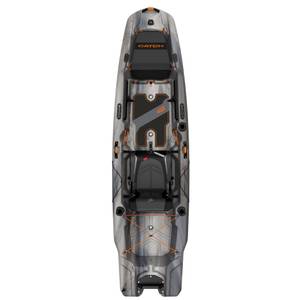
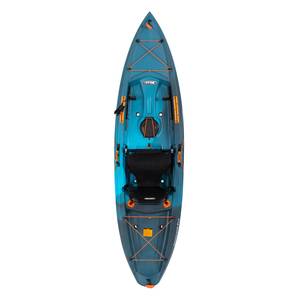
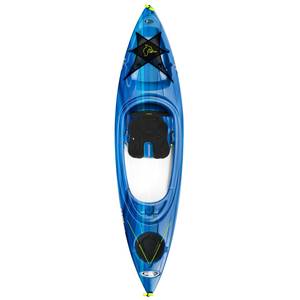
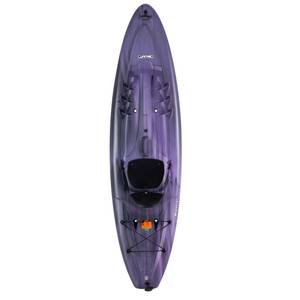
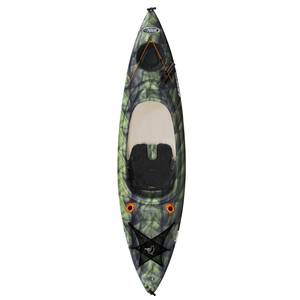
Of course, you will need a kayak. The type of kayak you choose should match the type of kayaking you plan to do.
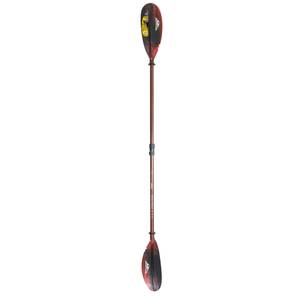
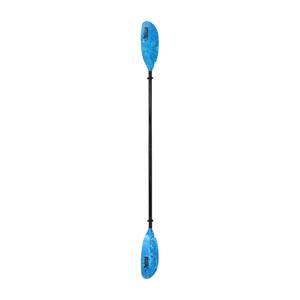
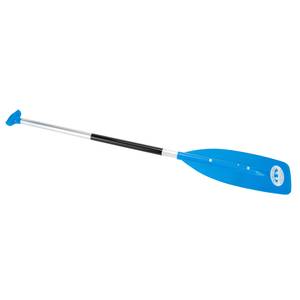
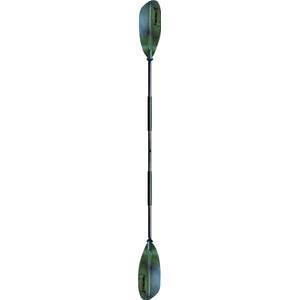
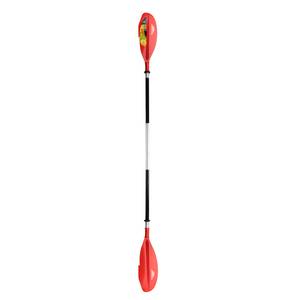
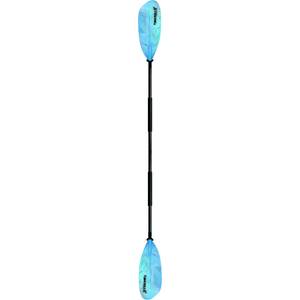
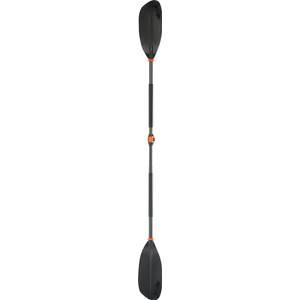
Your paddle is your main tool for getting around on the water, so it’s essential to choose the right one. Keep in mind things like length, paddling style, and materials when choosing a paddle.
Safety comes first when kayaking. Even calm waters can present unexpected challenges, so it’s crucial to be prepared with the right equipment.
A well-fitting PFD is non-negotiable. It’s not just a precaution. In many areas, wearing one is a legal requirement. It keeps you afloat if you capsize and can provide peace of mind for friends or family accompanying you.
Modern kayaking life vests are lightweight, comfortable, and allow for a full range of motion when paddling. And if you’re bringing your furry friend, don’t forget a dog life jacket!
Keep a whistle or air horn attached to your PFD for easy accessibility. It’s a simple but effective way to signal for help in an emergency.
Accidents can happen, even to the most experienced kayakers. Pack a basic waterproof first aid kit with supplies to help with minor cuts, scraps, insect bites, or other small injuries during your outing.
Don’t underestimate the power of the sun when you’re on the water! Sunburns are common due to water reflection. Bring sunscreen, a wide-brimmed hat, and sunglasses to stay protected from UV rays.
If water gets into your kayak, you’ll need a way to remove it. A sponge will help you get rid of it quickly.
Your clothing can make or break your kayaking experience. It needs to protect you from the elements while keeping you comfortable as you paddle.
Consider the type of weather you’ll be kayaking in when choosing your clothing.
Avoid cotton, as it retains water and takes longer to dry.
A good pair of gloves can protect your hands from painful blisters and provide a secure grip on the paddle. Look for gloves made from a non-slip material that floats in case they fall into the water.
Closed-toed shoes are ideal for slippery surfaces and will protect your feet from sharp rocks. Wear water shoes, sandals with good grip, or old sneakers that can get wet.
While optional, these items can take your kayaking experience from good to great.
To keep your valuables safe, invest in a waterproof carrying case or dry bag. These will protect items like your phone, keys, wallet, or an extra set of clothes from getting wet.
While kayaking offers freedom to explore, it can be easy to get lost or veer off track without the right navigation tools. A waterproof map, compass, or GPS device can prevent you from getting lost, especially if you’re exploring unfamiliar waters.
Paddling can be exhausting. So keep your energy up by packing lightweight, non-perishable snacks such as trail mix, granola bars, or dried fruit. For longer trips, consider bringing a sandwich or wrap.
A reusable water bottle or hydration pack is also essential to stay hydrated throughout your trip. It’s best to bring more water than you think you’ll need.
Paddling for hours can strain your back. Consider investing in a seating pad or cushion to keep your backside comfortable during long paddle sessions.
Stuffing your kayak into your vehicle can be a challenge. A car-top carrier kit will make transporting your kayak a breeze. These convenient carrier kits are easy to set up and save space inside your car.
If you enjoy fishing, consider bringing along a rod, tackle box, and a fishing-specific kayak for added fun.
If you’re kayaking with friends, a waterproof Bluetooth speaker can make the experience more enjoyable. Just be sure to keep the volume at a low level to respect nature and others nearby.
Once you’ve packed all the essentials, the only thing left is to hit the water! By being prepared with the right gear, you’re setting yourself up for a safe, comfortable, and enjoyable kayaking experience.
For more buying guides like this one, check out our other Watersports articles.