

Buying GuideArticle
Truck Bed Liner Guide
Truck bed liners, mats, and liquid rubber coatings have pros and cons. This guide will help you decide which one's right for your truck.
Read More August 5, 2015 | Blain's Farm & FleetSummer road trips can be one of the most affordable ways for families to travel—but only if the vehicle is ready for the miles ahead. When gas costs are high, it is natural to focus on fuel prices and route planning. But some of the biggest money-saving and safety decisions happen before you even leave the driveway: checking your tires, using the right motor oil, and making sure your battery is strong enough for summer heat, stop-and-go traffic, and long highway drives.
For families across the Midwest, road trips often mean more than a straight line between two cities. They can include county roads, gravel shoulders, long stretches between towns, sudden weather changes, and packed vehicles carrying kids, pets, coolers, and gear. A car that feels “fine” on a short commute can show problems quickly on a longer trip. That is where practical preparation matters. Blain’s Farm & Fleet has long served customers who depend on their vehicles every day, and that same practical mindset applies to getting a family vehicle ready for summer travel without overspending.
If you want to take a road trip on a budget without giving up safety, focus on the basics that affect fuel economy, reliability, and wear: tire condition and inflation, the correct motor oil, and a healthy battery. Properly maintained tires can help with traction and fuel efficiency, the right oil helps protect the engine during long drives and hot weather, and a strong battery reduces the chance of being stranded. For most families, the cheapest road-trip fix is preventive maintenance done before the trip, not emergency repairs during it.
A road-trip vehicle usually carries more weight than normal. Extra passengers, luggage, pet supplies, and coolers can all affect tire pressure and handling. Check inflation when the tires are cold and use the vehicle door-jamb recommendation—not the maximum number listed on the tire sidewall.
When you rotate your tires, you prevent uneven wear can signal alignment or suspension issues. On a long trip, those problems can get worse quickly and may reduce both comfort and fuel efficiency.
If the oil change will come due during the trip, handling it beforehand is often the easier and safer choice. Also check for leaks under the vehicle and confirm the dipstick shows the correct level.
A battery can seem fine on short local drives and still fail under heavy summer demand. Highway travel, hot weather, frequent stops, phone charging, and climate control all add stress.
Midwest summer road trips can include:
A vehicle that is prepared for these conditions is less likely to waste fuel, wear out parts early, or leave a family stuck waiting for help.
Budget-friendly preparation can also include:
These are not glamorous purchases, but they often matter more than accessories.
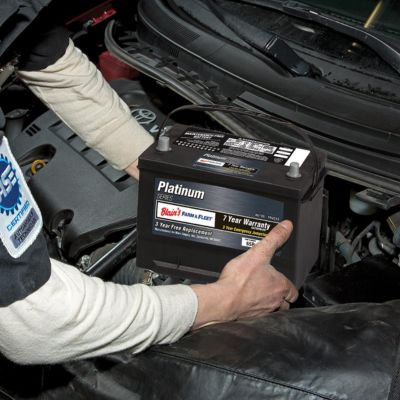
From inspections to installations, our professionally trained associates provide a full-service shop experience at an affordable price.
When people think about road-trip spending, they usually think about gas, food, and lodging. Those are important—but automotive maintenance affects all three in less obvious ways:
A family trying to stretch every dollar does not need to do everything at once. The better approach is to understand what each product does, what condition it is in now, and which issues are most likely to lead to higher costs or safety concerns on the road.
Tires are the only part of the vehicle that touches the road. They support the weight of the vehicle, help transfer braking and steering force, and affect traction on dry pavement, wet roads, and light gravel.
A tire’s tread pattern, internal construction, rubber compound, and air pressure all work together. The tread channels water away, the sidewalls support the load, and proper inflation helps the tire maintain the right contact patch with the road.
For most summer family road trips, all-season or touring tires are the most budget-friendly and practical choice because they balance comfort, tread life, wet-weather handling, and fuel-conscious performance. Drivers in small towns or rural areas who spend time on uneven roads may prefer a more durable truck or SUV tire, but should still prioritize load rating, tread condition, and highway manners.
Before a road trip, look at:
For budget-minded families, the goal is not always buying new tires. Sometimes the smarter move is confirming the current set is still road-trip ready. If they are not, replacing tires before the trip is usually less expensive than dealing with a breakdown, uneven wear, or poor wet-road performance on the way.
Pros
Cons
Pros
Cons
Best use case:
For a typical family road trip on paved roads, all-season or touring tires are usually the more practical and budget-friendly option.
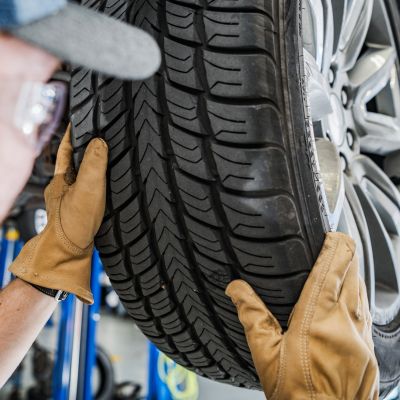
Our experienced technicians use brand-name parts and state-of-the-art equipment to care for cars, trucks, SUVs, and even fleets.
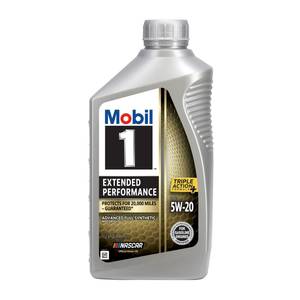
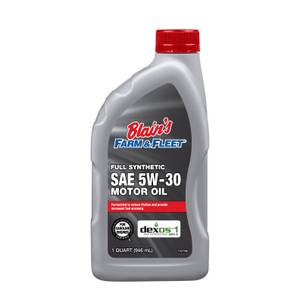
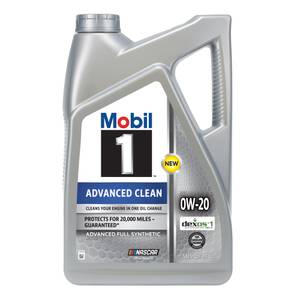
Motor oil lubricates the moving parts inside the engine. It also helps reduce heat, trap contaminants, and protect against wear.
As the engine runs, oil circulates through passages to create a protective film between metal parts. It helps reduce friction, prevents sludge buildup when changed on time, and supports engine performance in hot and cold conditions.
You will often see oil labeled like 0W-20, 5W-20, or 5W-30. These numbers indicate how the oil flows at different temperatures. The most important rule is simple: use the viscosity grade recommended in your owner’s manual. Using the wrong oil can affect performance, fuel economy, and engine protection.
For summer road trips, the main question is not “What is the most expensive oil?” but “What oil does my vehicle require, and is it clean and at the correct level?” Many newer engines are designed specifically around lighter-viscosity synthetic oils. Older vehicles may have different needs. The correct oil matters more than marketing claims.
Check
On a budget, it may be tempting to postpone an oil change if the vehicle still “seems fine.” But long drives in summer heat put sustained stress on the engine. Fresh oil at the correct level is one of the simplest ways to protect a vehicle before a trip.
Pros
Cons
Pros
Cons
Best use case:
If your owner’s manual calls for synthetic, use it. If your vehicle allows multiple types, synthetic may still offer better value for summer travel and long-term engine protection.
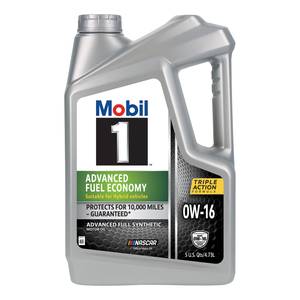
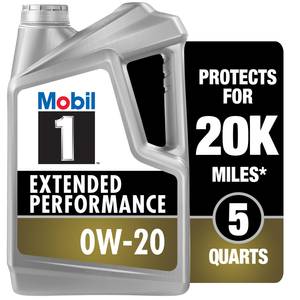
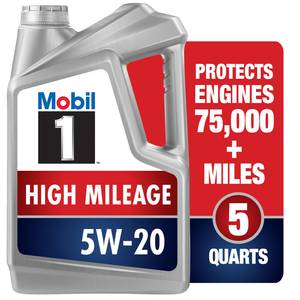
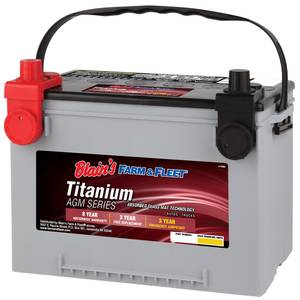
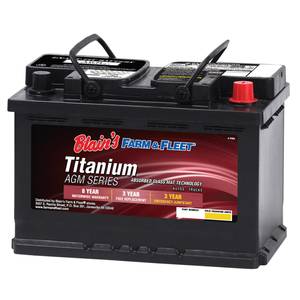
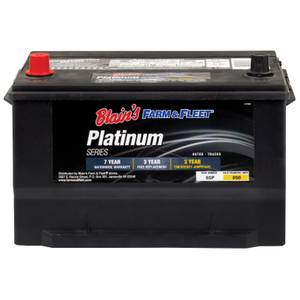
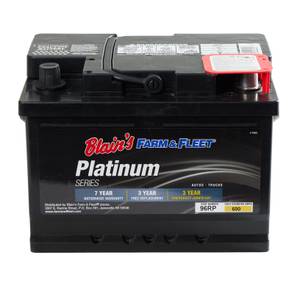
The battery stores electrical energy needed to start the engine and power electronics when the engine is off. It also supports electrical demand when accessories are running.
When you turn the key or press the start button, the battery sends a burst of electricity to the starter motor. It also helps power lights, climate controls, charging ports, navigation systems, and other electronics.
If your vehicle came with an AGM battery, it usually should be replaced with AGM unless the manufacturer states otherwise. Older family vehicles with simpler electrical systems often use standard batteries. The key is matching the vehicle’s requirements for size, terminal layout, and power rating.
Watch for:
Summer heat is hard on batteries, and battery trouble rarely happens at a convenient time. Families traveling through rural stretches or small towns may want extra peace of mind from a battery test before leaving.
Pros
Cons
Pros
Cons
Best use case:
Match the battery to the vehicle’s manufacturer requirements. Buying the wrong type may create charging or performance problems.
Trying to save money does not mean choosing the lowest-cost option in every category. Better value often comes from products that:
The best budget strategy is fit-for-purpose maintenance—not overspending, but not skipping essentials either.
Tires can have uneven wear, low pressure, or age-related issues that are not obvious at a glance. A quick inspection is good; a more careful check is better.
Oil has to match the engine’s requirements. The wrong viscosity or formulation can reduce protection and performance.
Batteries often give limited warning. If a battery is aging or showing weakness, testing it before a trip is the practical move.
A packed SUV or minivan does not behave like an empty commuter car. Tire pressure, braking distance, and handling all change when the vehicle is full.
Saving a few cents per gallon matters, but poor tire maintenance or neglected service can cost more than fuel savings over the course of a trip.
For many Midwest families, vehicle care is not about performance culture or flashy upgrades. It is about reliability, value, and getting where you need to go safely. That practical mindset is where Blain’s Farm & Fleet fits naturally. Customers often need straightforward guidance on things like tire types, oil requirements, battery fit, and how seasonal driving affects vehicle care. Local availability, a broad automotive assortment, and knowledgeable staff can make those decisions easier, especially for drivers balancing budget limits with the need to travel confidently.
Blain’s role is less about pushing a product and more about helping customers choose what fits their vehicle, driving habits, and local conditions. For families in rural communities and small towns, that kind of trust matters.
Start with preventive maintenance. Proper tire inflation, the correct motor oil, and a reliable battery can help avoid fuel waste, breakdowns, and emergency repair costs.
Yes. Underinflated tires can increase rolling resistance, which can make the engine work harder and use more fuel over time.
For most cars, minivans, and crossovers, all-season or touring tires are the most practical choice. They balance comfort, traction, and tread life for typical paved-road travel.
If your oil change is due soon or will come due during the trip, it is usually smarter to do it beforehand. Fresh oil helps protect the engine during long drives and hot conditions.
Common warning signs include slow starts, dim lights, corrosion on terminals, and a battery that is several years old. A battery test can give a better picture before you travel.
Not always. AGM batteries are better for vehicles designed for them, especially those with higher electrical demand. The best battery is the one that matches your vehicle’s requirements.
Absolutely. Summer storms can create slick roads fast, and worn tread reduces traction and braking performance in wet conditions.
Yes. Extra weight changes handling, braking, and tire demands. That is one reason tire pressure and load awareness matter before a trip.
If your vehicle requires it, yes. Even when optional, synthetic oil can provide better protection in heat and during sustained highway driving.
Inspect what you already have first. Tire pressure correction, checking tread, topping off fluids, verifying oil condition, and testing the battery often deliver the best value before any larger purchases.
A budget-friendly road trip is not just about cutting travel costs—it is about making smart, practical decisions that help a family avoid larger expenses and unnecessary stress. Tires, motor oil, and batteries are not the most exciting parts of trip planning, but they are some of the most important. Good tires help a vehicle handle safely and use fuel more efficiently. The right motor oil protects the engine during long summer drives. A healthy battery helps make sure the trip starts—and continues—without trouble.
For Midwest families, especially those traveling between small towns, rural roads, and busy highways, simple vehicle preparation goes a long way. The goal is not perfection or overspending. It is confidence: knowing the vehicle is ready, the essentials are covered, and the road ahead is a little more predictable.