Buying GuideArticle
Level Buying Guide
Make sure you have the right tools for your next home improvement project. Find out which level is the best choice to add to your tool belt.
Read More July 23, 2015 | Blain's Farm & FleetQuick answer: To pressure wash a driveway, clear the area of vehicles and debris, pre-treat stains with a concrete-safe degreaser, then wash using a pressure washer with at least 2,500 PSI and 2.5 GPM. Work in overlapping passes, rinse thoroughly, and apply a concrete sealer once the surface has dried for 24–48 hours.
Every spring across the Midwest, driveways emerge from winter looking rough. Road salt leaves white residue. Freeze-thaw cycles crack concrete. Tire tracks, oil drips, and months of grime build up into a surface that looks years older than it is. If your driveway falls into that category, pressure washing is one of the most effective ways to restore it.
This guide walks you through the entire process—from choosing the right equipment to sealing the surface after the clean. Whether you’re doing it for curb appeal, maintenance, or both, these steps will help you get a solid result the first time.
Blain’s Farm & Fleet carries the pressure washers, detergents, safety gear, and concrete sealers you’ll need to get the job done right. Staff at your local store can help you match the equipment to your specific driveway type and conditions.
Pressure washing uses a motorized pump to force water through a narrow nozzle at high velocity. That concentrated stream cuts through dirt, algae, oil stains, road salt residue, and other surface contaminants that a garden hose and scrub brush can’t touch.
Two numbers matter most when evaluating a pressure washer: PSI (pounds per square inch) measures water pressure, and GPM (gallons per minute) measures flow rate. Both work together. High PSI cuts through grime; adequate GPM rinses it away. A machine with strong PSI but low GPM can leave residue behind.
There’s also a distinction between power washing and pressure washing. Power washing heats the water, making it more effective on grease and mildew. Pressure washing uses cold water. For most residential driveways, cold-water pressure washing does the job well.
Not all pressure washers are built for driveways. A unit designed for rinsing patio furniture won’t cut through embedded dirt and road salt in concrete. Here’s what to consider:
For a residential concrete or asphalt driveway, look for a pressure washer with at least 2,500 PSI and 2.5 GPM. For heavily soiled surfaces, oil stains, or larger driveways, a unit rated between 3,000 and 4,000 PSI gives you more margin. Anything significantly above 4,000 PSI risks etching concrete if used incorrectly.
Gas-powered pressure washers produce more PSI and GPM on average, making them better suited for large driveways, heavily stained surfaces, and frequent use. They’re portable and don’t require a power outlet nearby. The tradeoff: they’re louder, require oil changes and fuel, and need proper storage.
Electric pressure washers are quieter, lower maintenance, and sufficient for most residential driveways in the 2,500–3,000 PSI range. They’re a practical choice for homeowners who pressure wash once or twice a year and want straightforward operation.
Nozzles are color-coded by spray angle. For driveways:
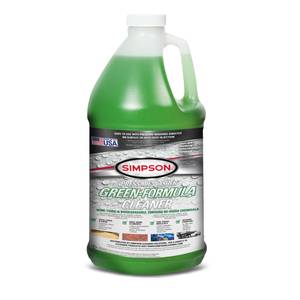
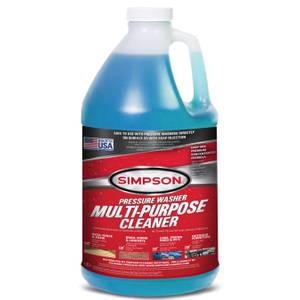
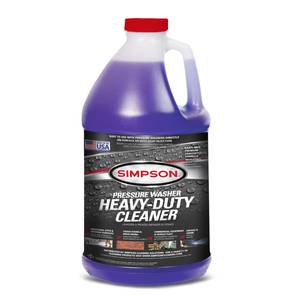
A concrete-safe degreaser or driveway cleaner helps break down oil, grease, and road film before the wash. Look for products labeled for use on your specific surface type. For brick and pavers, avoid acid-based cleaners that can damage the surface finish.
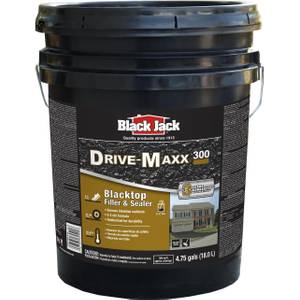
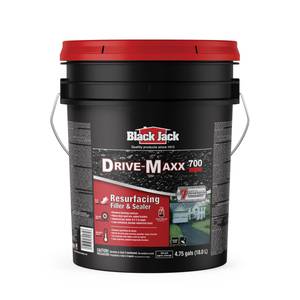
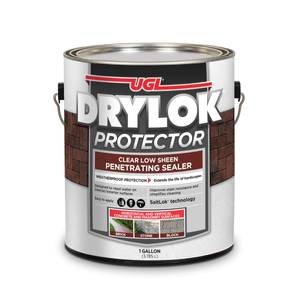
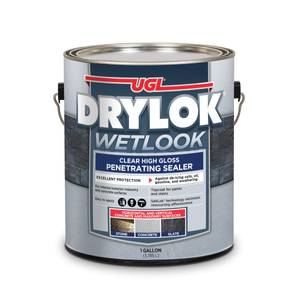
Once the driveway is clean and dry, a sealer protects the work you’ve done. There are two main types:
For Midwest climates where driveways face repeated freeze-thaw cycles, penetrating sealers tend to outperform film-forming options over time.
| Feature | Gas Pressure Washer | Electric Pressure Washer |
|---|---|---|
| Typical PSI | 2,800–4,400+ | 1,500–3,000 |
| Portability | High (no cord needed) | Moderate (cord or battery) |
| Maintenance | Oil, fuel, spark plugs | Minimal |
| Noise level | High | Low to moderate |
| Best for | Large driveways, heavy staining | Regular residential use |
| Cost | Higher | Lower |
Choose a gas pressure washer if your driveway is large, heavily stained, or if you plan to use it across multiple exterior surfaces regularly.
Choose an electric pressure washer if your driveway is standard-sized, you want a lower-maintenance option, and you pressure wash once or twice a year as part of seasonal upkeep.
How to Pressure Wash Your Driveway: Step-by-Step
Move vehicles, bikes, and any outdoor items off the driveway. Sweep away loose debris—gravel, leaves, and dirt will clog nozzles and reduce cleaning efficiency if left in place. Cover nearby plants, siding, or fencing if you’re applying detergent.
Take a few minutes to inspect the surface. Look for cracks, scaling, or soft spots. Pressure washing won’t repair existing damage, and in some cases, high pressure can worsen weak areas. Address significant cracks with a concrete repair product before washing.
Oil and grease stains are the most stubborn spots on a driveway. Apply a concrete-safe degreaser to these areas first and let it sit for 10 to 15 minutes. This gives the detergent time to break down the bond between the stain and the surface, making it much easier for the pressure washer to lift it away.
For rust stains or tire marks, there are targeted removers designed for those specific issues. Always confirm the product is compatible with your driveway surface type before applying.
Connect your pressure washer to a water source with adequate flow. Check that the connections are secure and there are no kinks in the hose. Select your nozzle—for most concrete driveways, the 15-degree yellow nozzle is a strong starting point.
If you’re using a surface cleaner attachment, connect it now. Test your equipment on a small, inconspicuous area of the driveway to gauge the pressure and distance before starting in full.
Using the detergent nozzle or soap applicator, apply your driveway cleaner evenly across the surface. Work in sections. Let the soap sit for several minutes to help lift grime from the pores of the concrete. Avoid letting the detergent dry—work on a cloudy day or in the early morning if possible.
Hold the wand about 12 inches from the surface and move in smooth, overlapping passes. Keep your motion consistent. Stopping in one spot too long will leave marks. Work from one end of the driveway to the other in manageable sections.
If you’re using a surface cleaner attachment, you can move slightly faster and maintain more even results across large areas. For stubborn spots, switch to a turbo nozzle and focus the spray on those specific areas.
Rinse the entire driveway with clean water. Step back and evaluate your work. Oil stains and deeply embedded grime may require a second pass. Reapply the degreaser, let it sit, and go over those sections again.
Aim to direct runoff away from your lawn and garden. Detergent runoff can affect nearby plants.
Wait 24 to 48 hours for the driveway to dry completely before applying sealer. Sealing too soon traps moisture and can cause the sealer to fail or the concrete to discolor.
Apply the sealer evenly with a roller or pump sprayer, following the product instructions. For most residential driveways, one coat of penetrating sealer is sufficient. For film-forming sealers, a second coat may be recommended.
Midwest winters are hard on driveways. Road salt, calcium chloride, and magnesium chloride—common deicers used across Illinois, Wisconsin, Iowa, and neighboring states—draw moisture into the pores of concrete. During freeze-thaw cycles, that trapped moisture expands and contracts, causing scaling, cracking, and surface deterioration over time.
Once daytime temperatures consistently reach the 40s and the salt trucks slow down, that’s a good signal to schedule your spring wash. Cleaning in early spring removes chlorides from the surface before warmer temps drive them deeper into the concrete. Pressure washing twice a year—once in spring, once in late summer—is a practical maintenance schedule for most Midwest driveways.
Pressure washers operate with enough force to cause serious injury. The spray can cut skin, strip paint, and damage surfaces if mishandled. Before you start:
Never point the wand at another person. Always engage the trigger lock when the wand is not in active use.
For gas-powered pressure washers, drain or stabilize the fuel before long-term storage. Run the engine until the fuel system is clear, or use a fuel stabilizer designed for small engines. Drain water from the pump and hoses to prevent freezing.
For electric models, drain all water from the hose and pump before temperatures drop below freezing. Store in a dry, temperature-controlled space.
Using too much pressure: High PSI settings etched into concrete leave permanent wand marks and can force water into hairline cracks, worsening them over time. Stay within the 2,500–4,000 PSI range for residential driveways and keep the wand at least 12 inches from the surface.
Skipping the pre-soak: Going straight to the high-pressure rinse without applying degreaser first means you’re pushing surface grime around rather than lifting it out. Pre-treating stains dramatically improves results.
Working in direct sunlight: Soap dries faster than you can rinse it on a hot afternoon, leaving residue behind. Aim for early morning or overcast conditions.
Not letting the driveway dry before sealing: Applying sealer to a damp surface traps moisture underneath and causes the coating to fail. Give it a full 24 to 48 hours.
Neglecting brick and pavers: High-pressure spray on pavers can displace joint sand and damage the surface. Use a wider nozzle, lower pressure, and a gentler technique on these materials.
Blain’s Farm & Fleet carries a wide selection of pressure washers, attachments, detergents, safety gear, and concrete sealers suited to residential and small-property use. Staff at local stores understand the specific demands of Midwest seasons—salt, freeze-thaw cycles, spring cleanup—and can help you select the right setup for your driveway type and usage frequency.
Whether you’re looking for a reliable gas-powered machine for annual spring maintenance or a compact electric unit for lighter tasks, Blain’s stocks options across a range of performance levels. You’ll also find the cleaning supplies and protective equipment needed to complete the job safely and effectively.
Browse pressure washers at farmandfleet.com or visit your local store for hands-on guidance.
A pressure washer rated at 2,500 to 3,000 PSI is sufficient for most residential concrete driveways. For heavily stained surfaces, oil buildup, or large driveways, 3,000 to 4,000 PSI provides more effective cleaning. Avoid using significantly more than 4,000 PSI on residential concrete, as excessive force can etch the surface and cause permanent damage.
Most driveways benefit from pressure washing at least twice a year. In the Midwest, cleaning in early spring removes road salt and chloride residue left behind by winter deicers. A second wash in late summer clears accumulated mold, algae, tire marks, and general grime before fall. Driveways in high-traffic areas or those exposed to heavy salt use may benefit from more frequent attention
Yes, but asphalt requires a lower-pressure approach than concrete. Use a wider-angle nozzle and keep PSI on the lower end of your machine’s range. Avoid harsh detergents that can break down asphalt’s binding agents. Rinse thoroughly and allow the surface to dry fully before use.
Sealing is not required, but it significantly extends the life of a clean driveway. Sealers protect concrete from staining, moisture absorption, and freeze-thaw damage. Allow the driveway to dry for 24 to 48 hours after washing before applying any sealer. Penetrating sealers are a strong choice for Midwest climates because they allow vapor to escape while blocking liquid intrusion.
A surface cleaner attachment rotates internally to distribute water pressure evenly across a wide area. It eliminates the striping and uneven marks that a standard wand can leave when cleaning large flat surfaces. It’s faster on open concrete and produces a more uniform result. For targeted stain removal, a turbo nozzle on a standard wand still offers more concentrated force.
Yes, with the right technique. Use a wider-angle nozzle—40-degree white—and lower the pressure compared to what you’d use on concrete. Avoid directing the spray into joints at an angle, which can displace sand and destabilize the surface. After cleaning, inspect the joint sand and refill or re-sand as needed. Avoid acid-based detergents on brick, which can damage the surface finish.
Use a concrete-safe degreaser for oil and grease stains, and a general driveway cleaner for overall surface grime. Always confirm the product is compatible with your driveway material—concrete, asphalt, brick, or pavers. Avoid bleach-based cleaners unless specifically recommended for the surface type, and direct runoff away from lawn and garden areas.
Early spring is ideal—once daytime temperatures consistently stay in the 40s and road salt applications have ended. Washing at this point removes chlorides before warm weather drives them deeper into the concrete. A second wash in late summer handles mold, algae, and accumulated seasonal grime. Avoid washing when temperatures are at or below freezing, as water in pores can refreeze and worsen existing damage.
A clean driveway does more than improve curb appeal. For Midwest homeowners, regular pressure washing removes the salt and chloride residue that chips away at concrete over time, delays surface deterioration, and keeps the surface safer underfoot during spring melt cycles.
The process is straightforward: clear the surface, pre-treat stains, wash in consistent overlapping passes, rinse thoroughly, and seal once dry. Done twice a year, it’s one of the more effective pieces of routine home maintenance a homeowner can do.
Start with the right equipment for your driveway size and soil level, suit up with proper safety gear, and take your time with the pre-treatment step. The difference between a mediocre result and a thorough clean usually comes down to preparation—not pressure.
Blain’s Farm & Fleet carries everything needed to pressure wash a driveway confidently, from the machine itself to detergents, nozzles, and sealers. Visit farmandfleet.com to browse products, or stop into your local store and talk with staff who know what Midwest driveways go through each season.