Raising poultry can bring many benefits to your backyard or farm, from fresh eggs and high-quality meat to pest control or simply adding a pet to your family. However, selecting the right birds for your goals requires careful consideration of several factors. With so many breeds of chickens, ducks, and turkeys available, choosing the right ones for your needs can feel overwhelming.
Whether you’re new to poultry keeping or looking to expand your flock, this guide from Blain’s Farm & Fleet will help you make an informed decision. For a more in-depth look at specific chicken, duck, or turkey breeds, make sure to explore our comprehensive breed guides linked at the end of this article.
The first question to ask yourself when buying poultry is why you want to raise them. Your purpose will shape nearly every choice you make—whether it’s the species, breed, or equipment to get started. Poultry typically serves a range of purposes, including:
Egg Production: For farm-fresh eggs, consider good egg layers like chickens or ducks. Each species and breed offers different egg qualities, from size and color to taste.
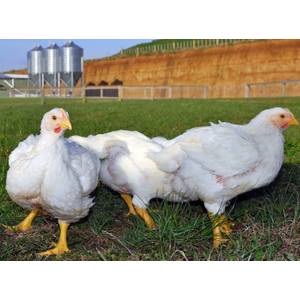
Meat Production: If you’re raising birds for meat, focus on breeds known for fast growth and high yields. Each type of bird contributes distinct flavors and textures to the table.
Ornamental Appeal: Some poultry breeds are prized for their beauty and temperaments, making them ideal candidates for show or hobby farms.
Pest Control & Foraging: Ducks and turkeys are good foragers, helping to keep harmful insects in check while also lowering feed costs.
Companionship & Pets: Many breeds are friendly and docile, making them suitable for families or even small backyard pets.
Understanding your primary goals will make the selection process smoother and ensure you pick a breed that aligns with your expectations.
Chickens vs. Ducks vs. Turkeys
Not all poultry is the same, and each type (chickens, ducks, or turkeys) has unique qualities suited for specific needs. Here’s a quick breakdown to help you decide:
Chickens
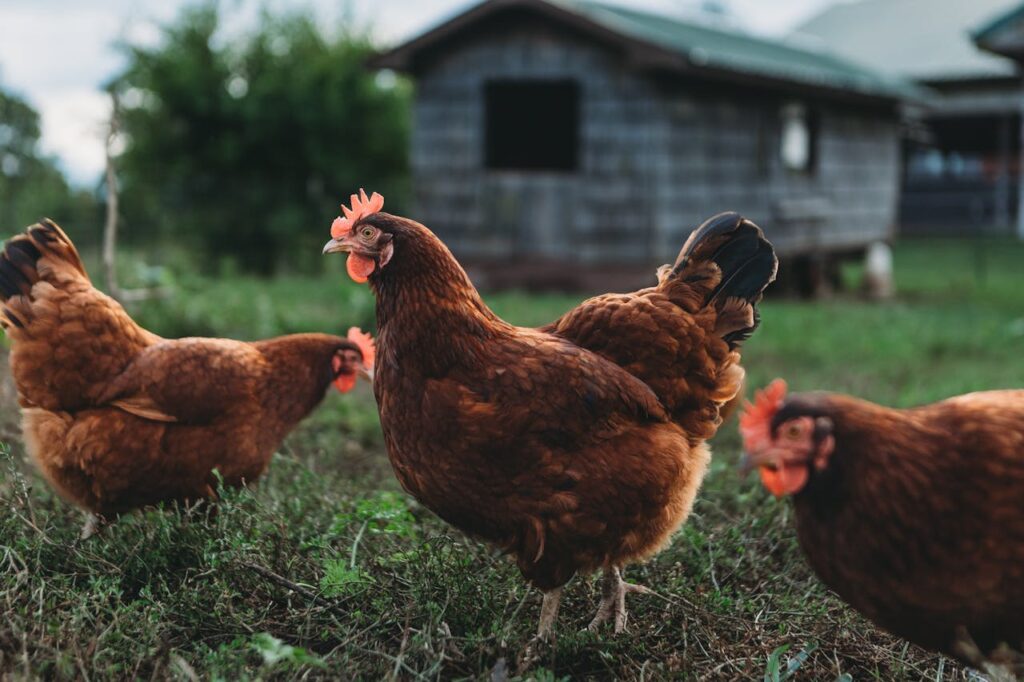
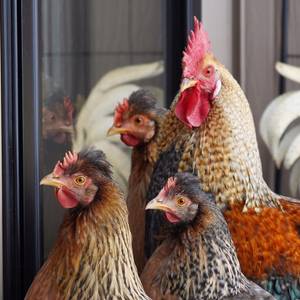
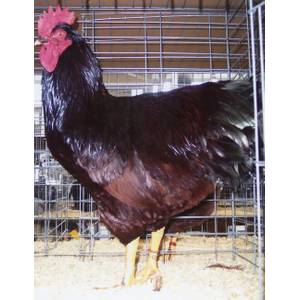
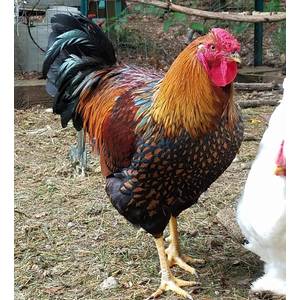
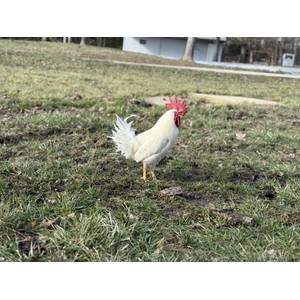
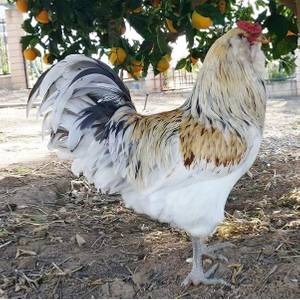
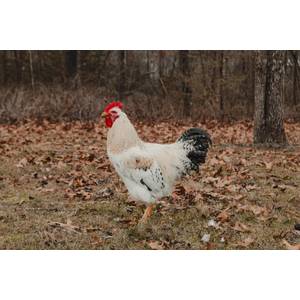
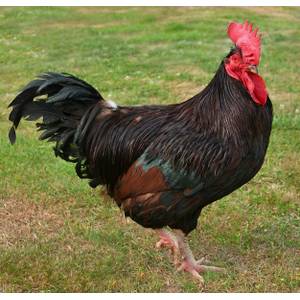
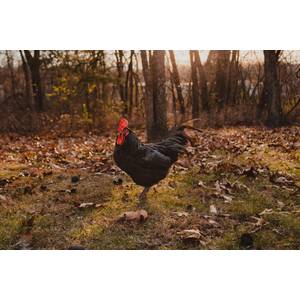
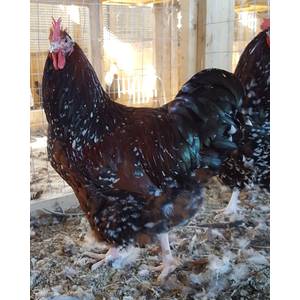
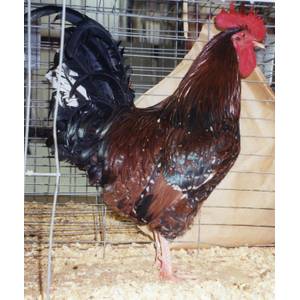
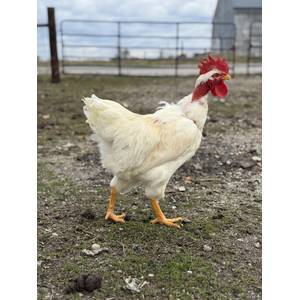
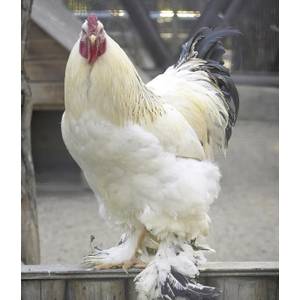
Chickens are often the first choice for anyone stepping into poultry farming, and for good reason. They’re incredibly versatile and can provide a reliable supply of eggs, meat, or even both. They suit both novice and experienced poultry keepers.
Main Uses: Egg Production, Meat Production, Backyard Flocks
Advantages: Wide range of breeds, reliable egg producers, and suitable for most climates.
Considerations: Space is needed for coops and runs, and some breeds may be flighty or brood more often than others.
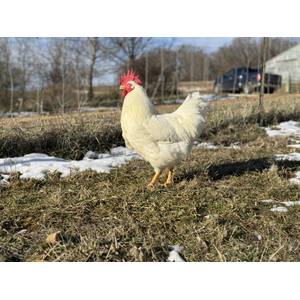
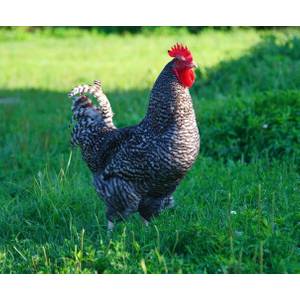
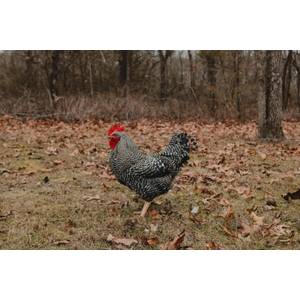
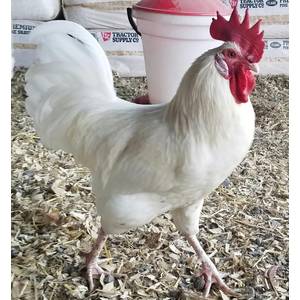
Dive deeper into breeds like White Leghorns for eggs, Cornish Cross for meat, or Barred Plymouth Rocks as a dual-purpose bird in our Ultimate Guide to Chicken Breeds.
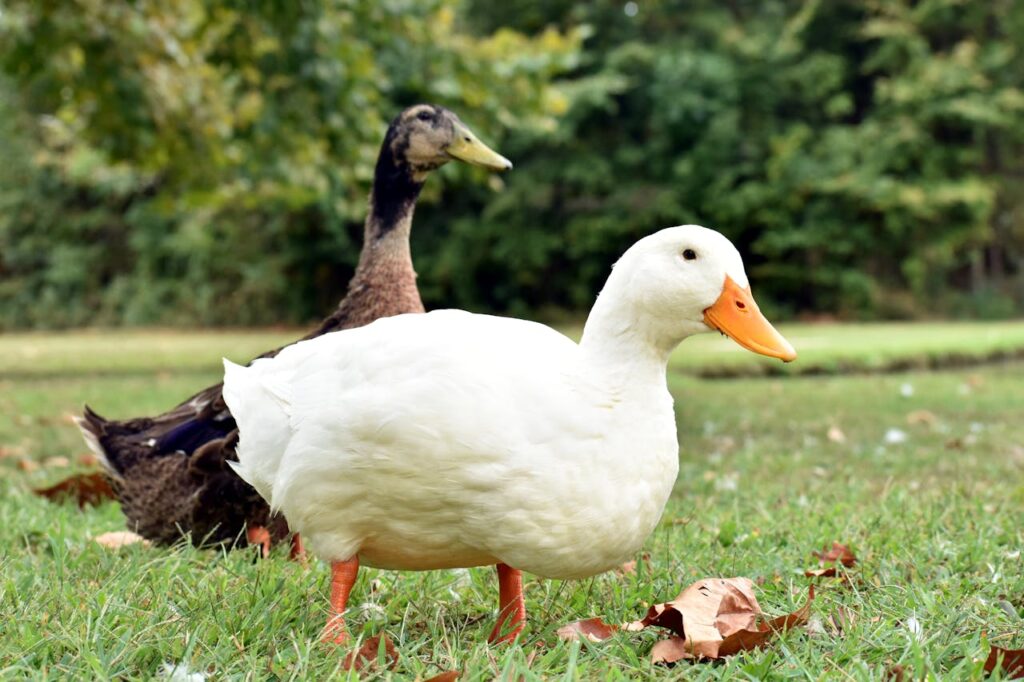
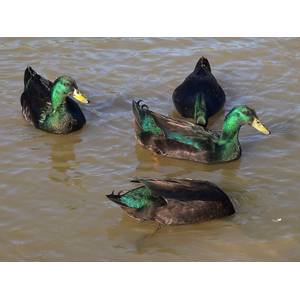
Ducks are hardy, low-maintenance birds that thrive in different conditions. They’re especially useful for natural pest control and are highly valuable for their nutrient-rich eggs.
Main Uses: Egg Production, Meat Production, Pest Control
Advantages: Adaptable to various climates, rich eggs perfect for baking, and excellent foragers.
Considerations: Ducks need regular access to fresh water for optimal health and hygiene.
Discover great options like Khaki Campbells for laying eggs, Pekins for meat, or Cayugas for both in our Ultimate Guide to Duck Breeds.
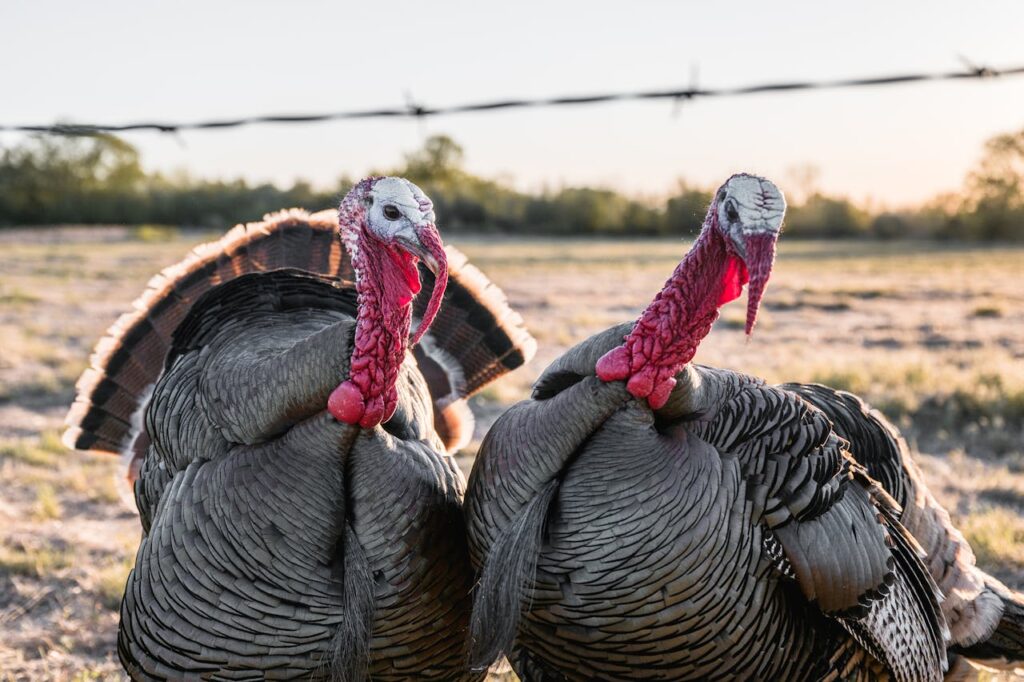
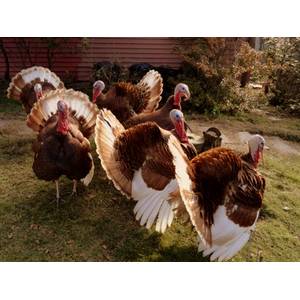
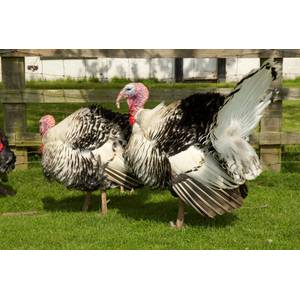
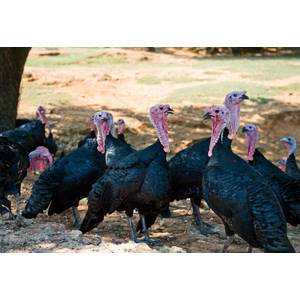
Turkeys often require more attention than chickens or ducks, but they stand out for their striking appearance, flavorful meat, and impressive size. Heritage breeds also bring benefits like natural reproduction and foraging abilities.
Main Uses: Meat Production, Ornamental Value, Natural Grazing
Advantages: High feed-to-meat conversion, great for large farms, and help with insect control.
Considerations: More space and care requirements than other species.
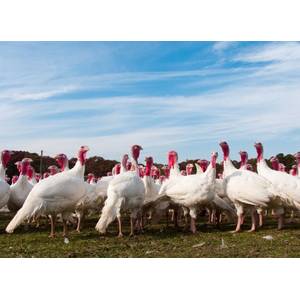
Interested in turkeys such as the White Broad Breasted for meat or Royal Palm for ornamental use? Check out our Ultimate Guide to Turkey Breeds.
If you’re new to poultry keeping, getting started can feel overwhelming. Here are a few tips to make your experience enjoyable and rewarding:
Start Small: Focus on one type of poultry and begin with a manageable number of birds, such as four to six chickens or ducks.
Research Breeds: Familiarize yourself with the unique qualities and limitations of the breeds you’re interested in.
Plan Your Space: Ensure you have enough room to meet the housing and roaming needs of your flock. Make sure your housing is secure and will protect your flock from predators.
Healthcare: Regular cleaning, vaccinations (if needed), and routine checks will keep your birds healthy and productive.
Feed and Forage: Balanced feed is the backbone of healthy poultry. Allowing birds to forage will supplement nutrients and lower feed costs.
Companionship: Poultry thrive in groups. Aim for a minimum of two to three birds per species to maintain their social needs.
Explore Our In-Depth Breed Guides
Now that you know the unique traits and advantages of chickens, ducks, and turkeys, explore all your breed options in detail by visiting our complete guides:
Chicken Breed Guide: Discover breeds that suit your egg, meat, or ornamental needs.
Duck Breed Guide: Learn about hardy, multi-purpose breeds perfect for egg, meat, or foraging.
Turkey Breed Guide: Find turkeys that will shine on your farm, whether for meat or ornamental value.
No matter if your focus is fresh eggs, sustainable meat, or simply the joy of keeping a pet, there’s a perfect poultry breed out there for you. Take the time to evaluate your needs, research breeds, and prepare a suitable environment. By doing so, you’ll enjoy the many rewards poultry farming has to offer.
From baby chicks to laying hens, choosing the right chicken feed can help your flock grow healthy and strong. Find the right feed with Blain's Farm & Fleet.