ArticleHow To
How to Repot Plants and Flowers
If your plants have outgrown their resident pot, it may be time to repot them. Learn how to repot plants and flowers yourself.
Read More May 6, 2016 | Blain's Farm & FleetMulch is a key player in nurturing a vibrant and healthy garden. If you’re staring at your garden and thinking it’s about time to give it a little TLC, you’re in the right place. Mulching might just be the secret ingredient you’re missing.
Whether you’re a seasoned gardener or just starting out, understanding the ins and outs of choosing the right mulch is crucial for the health and beauty of your garden. And with this guide from Blain’s Farm & Fleet, you will learn everything you need to know to find the perfect mulch for your needs.
Mulch is more than just a garden accessory. There are many benefits of mulch, and it’s a vital component for plant health and soil management. It helps retain soil moisture, suppress weeds, keep soil temperatures consistent, and add aesthetic appeal to your garden beds.
Organic mulch includes materials like wood chips, straw, leaves, pine needles, and grass clippings—anything that was once alive.
Benefits: Organic mulches enrich your soil with nutrients as they break down over time. They’re ideal for improving soil fertility and promoting healthy plant growth.
Considerations: You’ll need to replenish mulches made from organic materials as they break down over time. Think about the specific needs of your plants and the levels of maintenance you’re willing to undertake.
Inorganic mulch covers options like rocks, gravel, and rubber mulch—materials that don’t decompose.
Benefits: Inorganic options don’t decompose, meaning less frequent replacements. They’re great for pathways or areas where you want long-lasting coverage.
Considerations: These mulches don’t improve soil health and can become quite hot, potentially harming some plants. Consider the environmental impact and the specific needs of your garden.
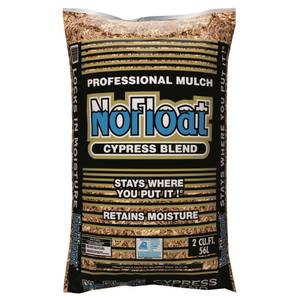
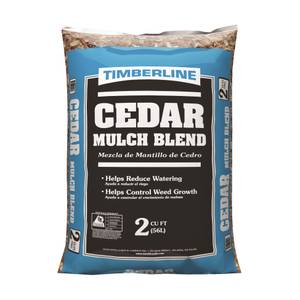
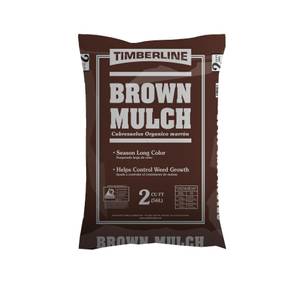
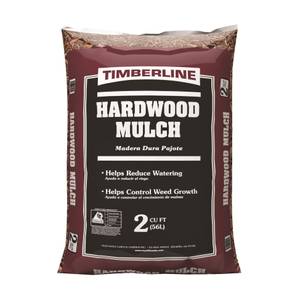
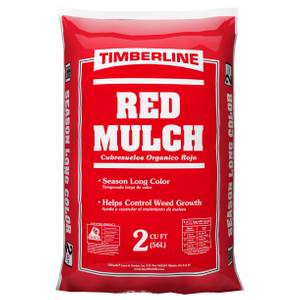
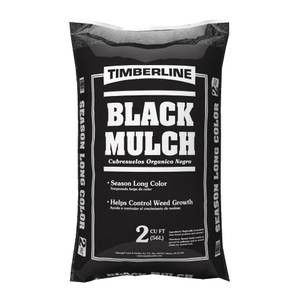
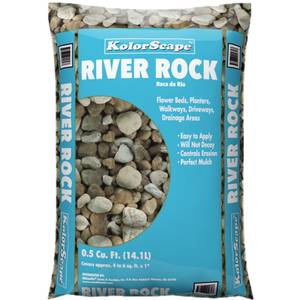
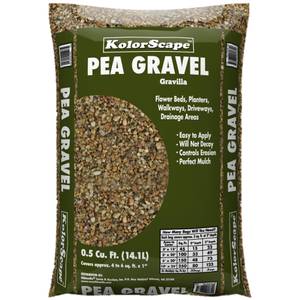
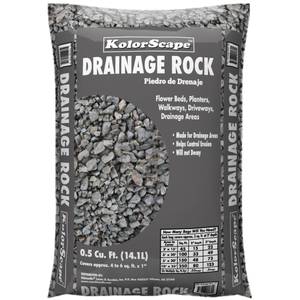
Start by evaluating the needs of your garden. Do your plants require extra nutrients, or are you mainly looking to control weeds and retain moisture? Your garden’s specific requirements will dictate the type of mulch that’s best for you.
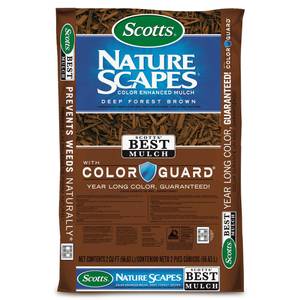
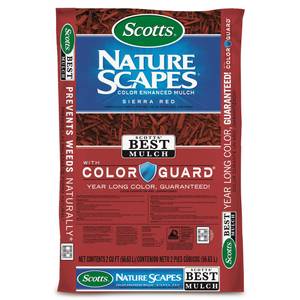
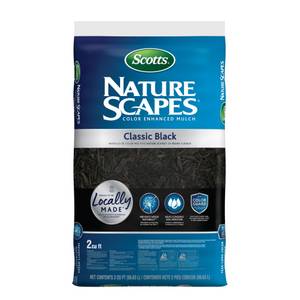
The look of the mulch can significantly affect the overall aesthetics of your garden. Mulch comes in various colors, and while you might think it’s all about matching your garden’s look, there’s more to it.
Dark-colored mulches (such as brown mulches) absorb more heat, which can be beneficial in colder climates but might stress plants in warmer areas. Lighter mulches reflect sunlight, keeping the soil cooler.
Think about your climate and how much sun your garden gets. Choose a mulch color that not only looks good but also supports the well-being of your plants.
Mulch prices vary widely based on type and quality. Set a budget beforehand. But remember, investing in a slightly more expensive mulch might save you money in the long run because of reduced maintenance and replacement needs.
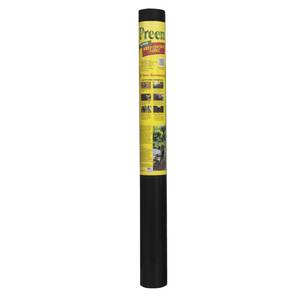
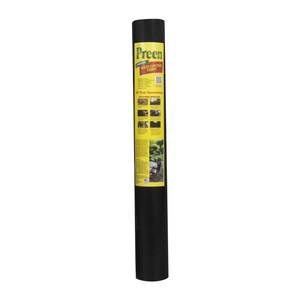
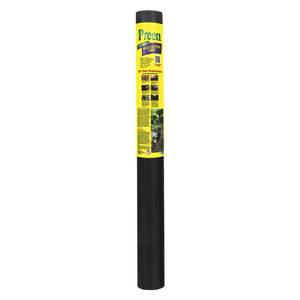
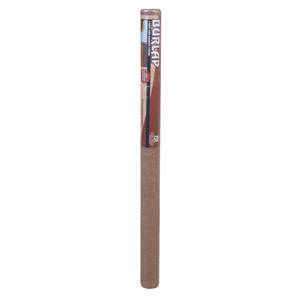
To keep your garden looking its best, inspect your mulch regularly and fluff it up to prevent compaction. Replenish organic mulches annually, or as needed, to maintain the desired depth and continue benefitting your soil and plants.
You can visit your local Blain’s Farm & Fleet to explore a variety of mulch options. Remember, choosing the right mulch is a critical step in creating a healthy, beautiful garden.
For more buying guides like this one, check out our other Outdoor Maintenance articles.