When you’re gearing up for fishing, hunting, or another outdoor activity that involves splashing through water, staying dry and comfortable can make all the difference. That’s where waders come in handy. This versatile piece of gear allows you to stand in water without getting wet, so you can focus on enjoying the task at hand.
But with different types of waders to choose from, it can be hard to pick the right one. Two of the most popular options are hip waders and chest waders. This guide from Blain’s Farm & Fleet will help you understand the differences so you can make the best choice.
Hip Waders
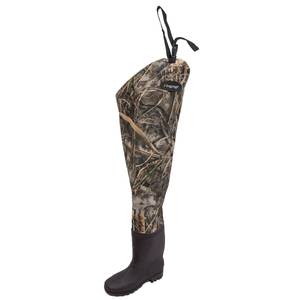
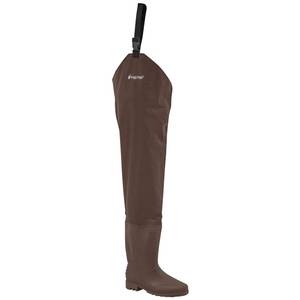
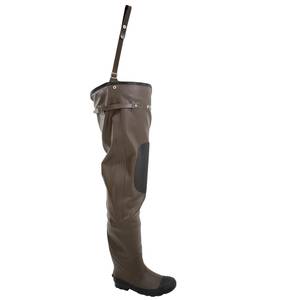
Hip waders are essentially tall waterproof wading boots that reach up to your hips. They typically have some kind of belt strap to help hold them up as you move. They’re lightweight, easy to put on and take off, and designed for shallower waters.
Key Features of Hip Waders
- Coverage: They extend up to the hip, making them suitable for shallow waters, while still protecting your legs.
- Flexibility: They’re lightweight and easy to put on and take off, which is ideal for quick tasks like launching a boat.
- Cost-Effective: Typically, hip waders are more affordable than chest waders, making them a great choice for occasional or beginner anglers.
Best Uses for Hip Waders
Hip waders are ideal for activities where the water only goes up to thigh or knee height, such as:
- Fishing in shallow streams or shores
- Launching boats
- Hunting in areas with consistent shallow water
- Utility tasks that involve smaller, calmer bodies of water
Chest Waders
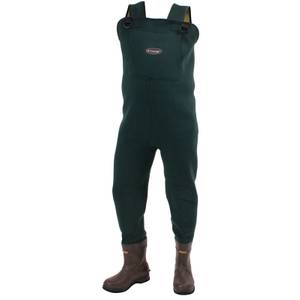
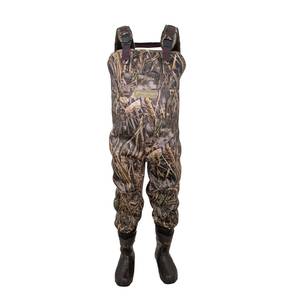
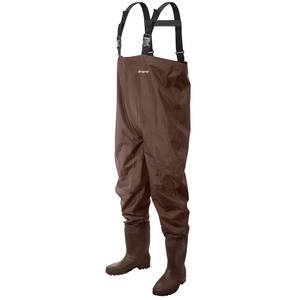
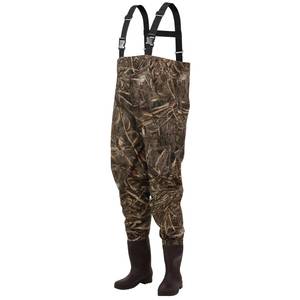
Chest waders are one-piece waders resembling overalls that reach up to your chest. They offer nearly twice the coverage of hip waders and provide maximum protection and flexibility in a number of scenarios.
Key Features of Chest Waders
- Coverage: They allow you to wade into deep water, all the way up to your chest.
- Versatility: They’re ideal for a broader range of activities and conditions, from fishing and hunting to rainy weather.
- Additional Safety: They’re great for unexpected drops, waves, or sudden currents that could leave you soaked in just hip waders, especially when you wear a wader belt with them.
Best Uses for Chest Waders
Chest waders allow you to be more flexible and are ideal for a number of activities, such as:
- Deep water fishing in rivers or lakes
- Hunting in marshes or wetlands
- Cold-weather or rainy outings that require extra weather protection
- Situations with unpredictable or changing water levels
Wader Materials
The material of your waders can significantly impact their performance, comfort, and durability. You’ll want to choose a material that’s best suited for the environment or activities you’ll be wearing them in. Here are the most common options:
- Breathable Materials: Waders made of breathable fabric keep water out while allowing sweat and other moisture to escape. They’re lightweight and a game-changer in warm weather. They tend to be a little pricier, but the comfort they provide makes them worth it.
- Neoprene: Neoprene waders are durable and form-fitting. They also offer excellent insulation, making them perfect for cold-weather fishing or hunting. However, they aren’t very breathable waders, so they can be uncomfortable in warmer weather.
- Nylon: Nylon waders come in lightweight and heavy-duty varieties. They’re not very breathable, but they’re a sturdy and affordable option.
- Rubber: Traditional rubber waders are durable and provide an excellent waterproof barrier. But they tend to be heavy, less flexible, and less breathable. They’re more common in hip waders.
Maintenance Tips
No matter which type you choose, proper care is essential to get the most out of your waders. It ensures they will last you for years and keep you dry and comfortable. Follow these tips:
- Rinse After Use: Whether you’ve been exposed to dirty water, mud, or debris, always rinse your waders with clean water after each use.
- Dry Thoroughly: Hang them in a well-ventilated area to avoid mold and odor. Avoid leaving them in direct sunlight for extended periods of time.
- Inspect Regularly: Look for cracks or leaks before heading out. You can usually patch up small holes, if needed.
- Store Properly: Store them flat or loosely rolled in a cool, dry place. Avoid folding, as it can cause creases and weak spots.
Choosing between hip waders and chest waders ultimately comes down to how and where you’ll use them. If you’re sticking to shallow waters or want something lightweight, hip waders are a practical and affordable choice. On the other hand, if you want more coverage for deeper waters or tougher conditions, chest waders provide a safer, more versatile option.
Whatever you choose, a good pair of waders will keep you dry, comfortable, and focused on what you love—whether it’s catching your next big fish or exploring the great outdoors.
For more buying guides like this one, check out our other Fishing articles.