How to Get Your Car Ready for Winter
The first major cold snap always seems to arrive faster than expected. One day you’re driving comfortably in mild temperatures, and the next you’re scraping frost off your windshield before sunrise.
Winter weather in the Midwest can be tough on your vehicle. Freezing temperatures, snow-covered roads, ice, salt, and reduced visibility all put extra strain on your car, truck, or SUV. Preparing your vehicle before winter arrives can help you avoid unexpected breakdowns, improve safety, and give you confidence when driving in challenging conditions.
Whether you’re heading to work, hauling equipment, or planning holiday road trips, here’s everything you need to do to get your car ready for winter.
Quick Winter Car Checklist
Before temperatures drop, make sure you:
- Test your battery – Get tested free at our stores
- Check tire tread and tire pressure – Our auto service department can check for you
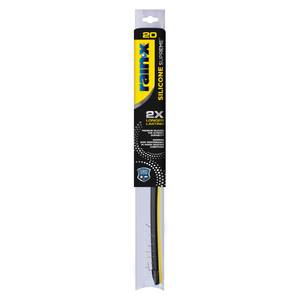
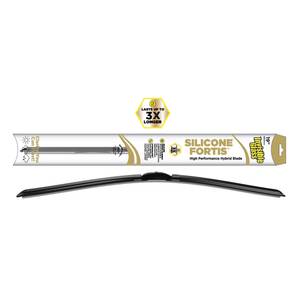
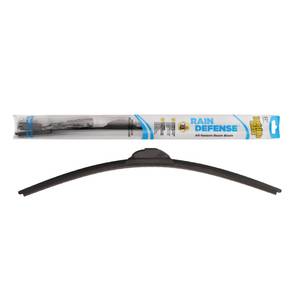
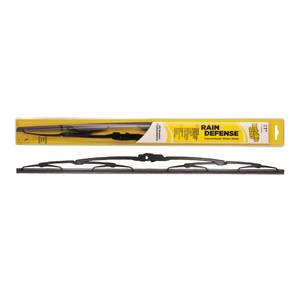
- Inspect windshield wipers
- Refill windshield washer fluid with winter formula
- Check antifreeze and coolant levels
- Test your heater and defroster
- Inspect brakes
- Replace worn-out lights
- Pack an emergency winter kit
- Schedule preventive maintenance if needed
Let’s take a closer look at each step.
Test Your Battery Before Cold Weather Hits
Why do car batteries fail in winter?
Cold temperatures slow down the chemical reactions inside your battery, reducing its ability to generate power. At the same time, your engine requires more power to start in cold weather.
If your battery is already weak, winter may be the season when it finally gives out.
Signs your car battery may need replacement
- Slow engine cranking
- Dim headlights
- Dashboard battery warning light
- Corrosion on battery terminals
- Battery is more than 3 to 5 years old
Come into any Farm & Fleet and we will test your battery for free, making it easy to determine if your battery is winter-ready.
Check Your Tires and Tire Pressure
How much tread do you need for winter driving?
Your tires are your vehicle’s only connection to the road, making them one of the most important safety components during winter.
Inspect tread depth and look for:
- Uneven wear
- Cracks or damage
- Bald spots
- Low tread depth
A simple penny test can help determine whether it’s time for new tires. If you need help, we are here for you. Come in and we will check your tires for free.
Why does tire pressure drop in winter?
As temperatures decrease, tire pressure naturally falls. Underinflated tires can:
- Reduce traction
- Increase stopping distances
- Decrease fuel efficiency
- Cause uneven tire wear
Check tire pressure monthly and inflate tires to the manufacturer’s recommended specifications.
Should you use winter tires?
If you regularly drive in snow, ice, or harsh winter conditions, dedicated winter tires can significantly improve handling, braking performance, and traction.
Replace Windshield Wipers
When should windshield wipers be replaced?
Winter weather quickly exposes worn wipers.
Replace your wiper blades if you notice:
- Streaking
- Skipping
- Squeaking
- Cracked rubber
Fresh wiper blades improve visibility during snowstorms, freezing rain, and road spray.
Consider winter-specific wiper blades if you frequently encounter heavy snow and ice accumulation.
Switch to Winter Windshield Washer Fluid
Many drivers forget about their washer fluid until they need it.
Standard washer fluid may freeze in extremely cold temperatures. Winter-rated washer fluid is designed to:
- Resist freezing
- Remove road salt
- Cut through grime
- Improve visibility
Always keep the reservoir full during winter months.
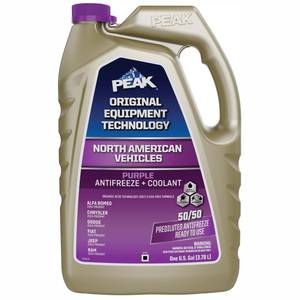
Check Antifreeze and Coolant Levels
What does antifreeze do?
Antifreeze helps prevent engine coolant from freezing when temperatures drop.
A properly protected cooling system:
- Prevents freezing
- Protects against overheating
- Reduces corrosion
- Helps maintain engine performance
If you haven’t had your cooling system inspected recently, fall is an excellent time to have it checked.
Test Your Heater and Defroster
Why is a working defroster important?
Your vehicle’s heater does more than keep you comfortable.
The defroster helps:
- Clear foggy windows
- Remove frost
- Improve visibility
- Enhance driving safety
If your cabin isn’t heating properly or your defroster struggles to clear the windshield, address the issue before winter arrives.
Inspect Your Brakes
Winter roads often require sudden stops and precise control.
Have your brakes inspected if you notice:
- Squealing
- Grinding
- Vibrations
- Increased stopping distance
Good brakes become even more important when driving on slippery roads where traction is already limited.
Check All Exterior Lights
Winter brings shorter days and longer periods of darkness.
Verify that all lights are working correctly, including:
- Headlights
- High beams
- Brake lights
- Tail lights
- Turn signals
- Hazard lights
Clean lenses regularly to remove salt, snow, and road grime that can reduce visibility.
Inspect Belts and Hoses
Cold temperatures can make rubber components more brittle.
Inspect belts and hoses for:
- Cracks
- Fraying
- Bulging
- Soft spots
- Leaks
Replacing worn components before they fail can help prevent roadside emergencies during extreme weather.
Pack a Winter Emergency Kit
What should be in a winter car emergency kit?
Even well-maintained vehicles can experience unexpected issues.
A winter emergency kit should include:
- Ice scraper and snow brush
- Jumper cables
- Flashlight
- Extra batteries
- Warm blankets
- Gloves and hats
- Portable phone charger
- First-aid kit
- Bottled water
- Nonperishable snacks
- Small shovel
- Tow strap
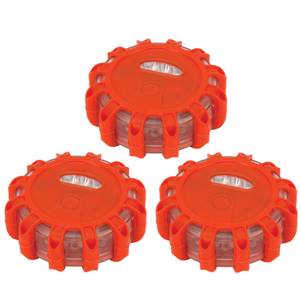
- Reflective triangles or flares
These supplies can make a big difference if you’re stranded or delayed during a winter storm.
Frequently Asked Questions
When should I winterize my car? The best time to prepare your vehicle for winter is before temperatures consistently fall below freezing. Early to mid-fall is ideal.
How often should I check tire pressure during winter? Check tire pressure at least once per month and anytime there is a significant temperature change.
Is antifreeze the same as coolant? Antifreeze is the concentrated liquid that is mixed with water to create coolant. Together they help regulate engine temperature and prevent freezing.
Do I need winter tires? Winter tires are most beneficial for drivers who regularly encounter snow-covered roads, icy conditions, or prolonged freezing temperatures.
What is the most important thing to check before winter? Your battery, tires, and visibility systems (wipers, lights, and defroster) are among the most critical components for winter driving safety.
Stay Ahead of Winter Weather
Preparing your vehicle for winter doesn’t have to be complicated. A little preventive maintenance now can help reduce stress, avoid costly repairs, and keep you safer on the road when temperatures drop.
By checking your battery, tires, fluids, brakes, wipers, and emergency supplies before winter arrives, you’ll be better prepared for whatever the season brings.
Whether you’re commuting to work, driving across town, or heading out for a weekend adventure, a winter-ready vehicle helps ensure you can travel with confidence all season long.