How ToArticle
How to Harvest Sunflower Seeds
Learn how to harvest your sunflower seeds for eating or re-planting with these four simple steps from Blain's Farm & Fleet.
Read More September 7, 2023 | Blain's Farm & FleetIf you want to attract deer to your property, planting a food plot is one of the best steps you can take. Whether you’re looking to attract deer for hunting or wildlife observation, a well-planned food plot will provide deer with essential nutrients while drawing them to specific areas on your property. Follow this guide from Blain’s Farm & Fleet to select and plant a food plot that will keep deer coming back.
Note: Feeding and baiting deer is prohibited in some areas. Follow your local laws regarding the use of attractants.
Before you choose your seeds, it’s important to know what deer actually need from their food sources throughout the year. Deer are browsers and grazers, which means they eat a variety of plants depending on what’s available and what their bodies need at different times.
During spring and summer, deer need foods rich in protein and minerals to support antler growth and prepare for breeding season. As fall approaches, their dietary needs shift to high-carbohydrate foods that will help them build fat reserves for winter survival. Because of this seasonal shift, you’ll want to choose a mix of seeds that will provide year-round nutrition for deer.
Your seed selection can make or break your food plot. Here are the main types to choose from:
Warm-season seeds thrive in summer heat and provide excellent nutrition during the growing months.
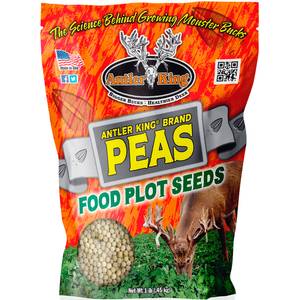
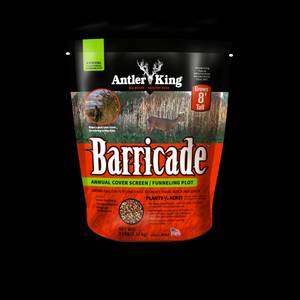
Cool-season seeds handle frost well and provide nutrition when other food sources become scarce.
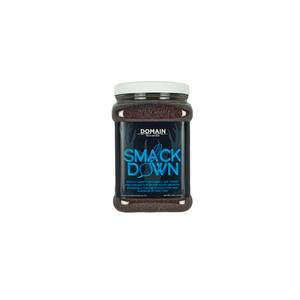
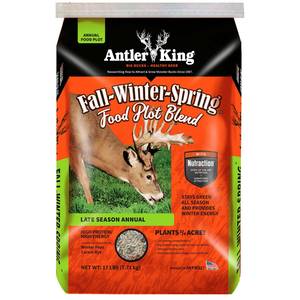
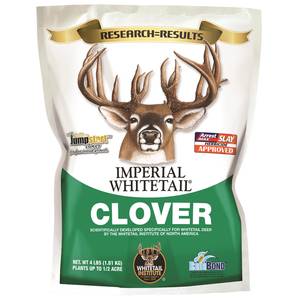
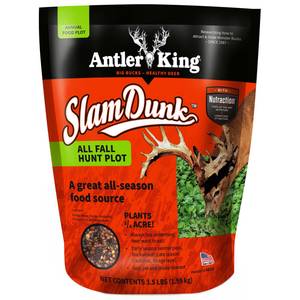
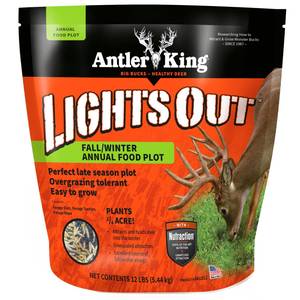
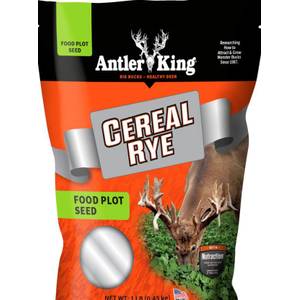
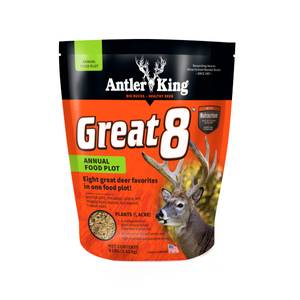
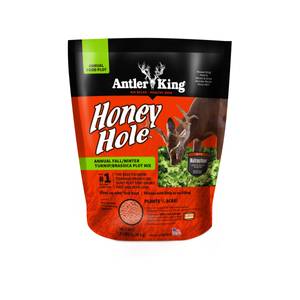
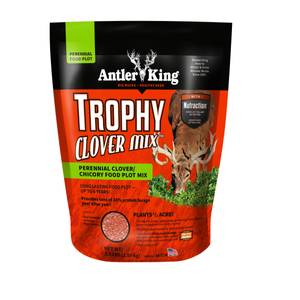
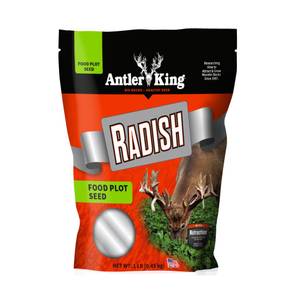
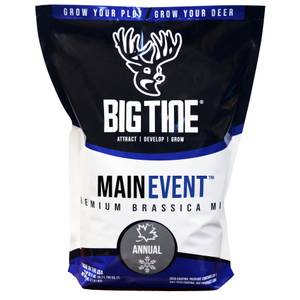
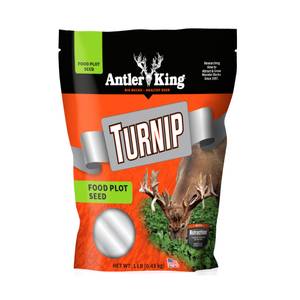
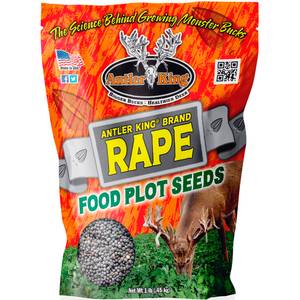
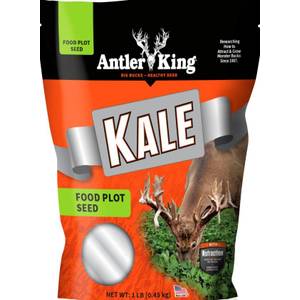
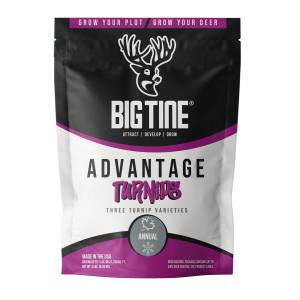
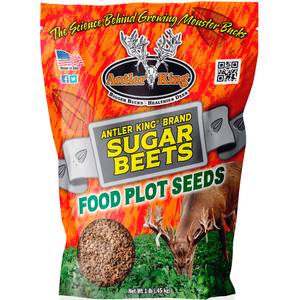
Annual seeds require replanting each year but often provide immediate results and high attraction rates. Perennial seeds, on the other hand, offer long-term value because they return year after year without replanting. They will provide consistent deer attraction and reduce long-term maintenance.
We recommend mixing a few of these crops to ensure your plot draws deer year-round. Pick two to three varieties that match your soil and the weather conditions in your area. To make things easier, there are also plenty of food plot mixes available.
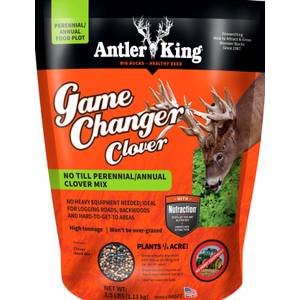
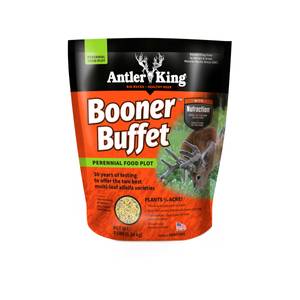
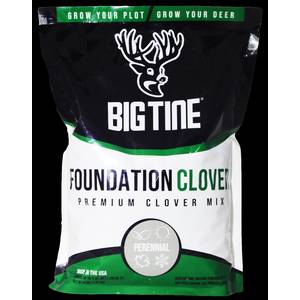
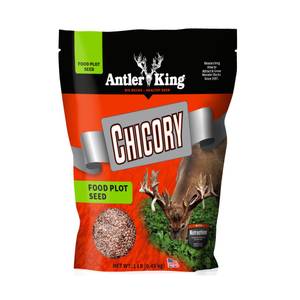
To have success with deer food plots, it’s important to properly prepare the soil. Follow these steps:
Timing your plantings correctly is extremely important to your food plot’s success. Each type of seed has specific temperature and moisture requirements that you need to meet for successful germination.
Plant warm-season seeds after the last frost date in your area, when soil temperatures consistently stay above 50°F. If you plant them too early, the cold soil could prevent germination or kill growing seedlings. Plant cool-season seeds 6-8 weeks before your first expected frost. This allows the crops to establish before cold weather while still ensuring they’ll be at their peak during hunting season.
You should also follow the seeding rate recommendations on the seed packaging. Over-seeding can create competition among other plants, while under-seeding leaves the potential for weeds to take over. Additionally, make sure you plant them at the recommended depth. Most food plot seeds benefit from shallow planting depths (1/4 to 1/2 inch), while bigger ones like corn can go about 1 inch deep.
After planting, lightly rake or drag the area to cover seeds with soil. Then, water the seeds. This is especially important if you’re not getting much rainfall in your area.
Your job doesn’t end after planting. Regular maintenance is crucial to keep your food plot productive throughout the growing season.
To get the most out of your plots, follow these tips:
Don’t forget to check your local ordinances regarding to use of attractants before beginning.
Creating a successful deer food plot all comes down to preparation, selecting the right seeds, and maintenance. If you follow these steps, you’ll create food plots that help support healthy deer populations and enhance your outdoor experiences.
For more guides like this one, check out our other Hunting articles.