Buying GuideArticle
Canoe Paddles: A Buyer's Guide
Canoe paddles come in a wide variety of shapes, sizes, and styles. Choose yours based on key measurements and type of canoeing you'll do.
Read More July 31, 2015 | Blain's Farm & FleetWhen it comes to water safety, having the right life jacket is crucial. Whether you’re an avid boater, a casual fisherman, or simply enjoy an occasional kayaking adventure, ensuring you have the correct life jacket is important.
Although it varies throughout the country, most states require boaters to have U.S. Coast Guard approved flotation devices. Personal flotation devices are more commonly known as PFDs, life jackets, or life vests.
There needs to be one life jacket per person on a boat. This includes kayaks and canoes. The life jacket must also be the proper size, in good condition, and easily accessible. Learn about which type of life jacket is right for you to stay safe in the water with Blain’s Farm & Fleet.
These are used for offshore vessels. They’re best for rough or remote waters where rescue time will be slow.
Type I are known to be bulky when compared to Type II and Type III life jackets. However, they offer the most buoyancy and will turn most unconscious people face-up in the water.
These are ideal for calm, inland waters where there’s a good chance of quick rescue.
They are less bulky than Type I and are more comfortable. Type II life jackets can turn some unconscious wearers face-up. Out of all the life jackets, these are usually the least expensive.
These are great for general boating or other water sports, such as waterskiing or kayaking.
These are considered the most comfortable to wear out of the five kinds of life jackets, as they allow the freest mobility.
They are designed so you can put yourself in the face-up position, but they don’t have a neck rest. This means you will have to tilt your head back to keep your face out of the water. For this reason, they are meant to be worn only if a quick rescue is possible.
These are are cushions or ring buoys that are meant to be thrown to someone in trouble. They should not be used by unconscious people, non-swimmers, or children. They should also not be used in rough waters.
These PFDs should act as backups for wearable life jackets. Boats longer than 16 feet require them to be on board.
These are designed for specific activities specified by the PFD’s label. Some of these activities include kayaking, waterskiing, and windsurfing.
To be classified as a PFD, these must be worn according to what is stated on the label. They must be worn at all times to be qualified as a PFD.
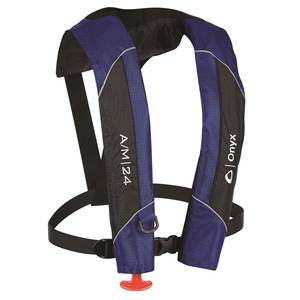
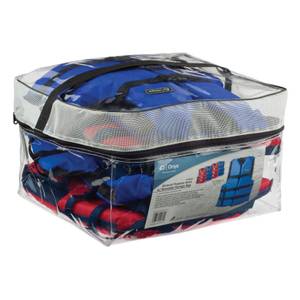
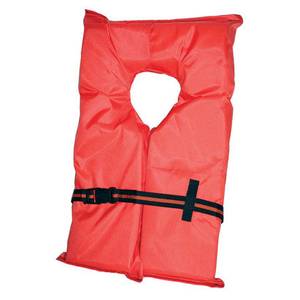
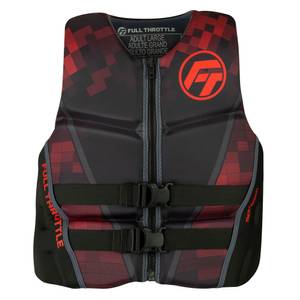
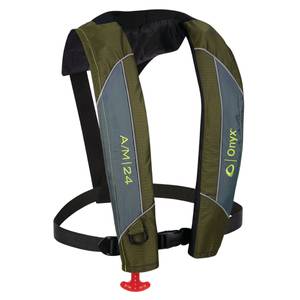
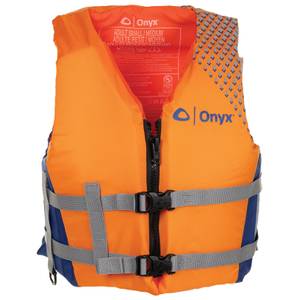
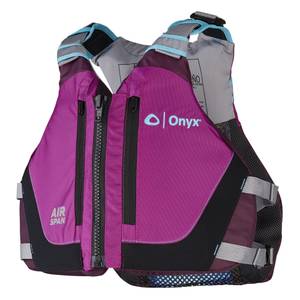
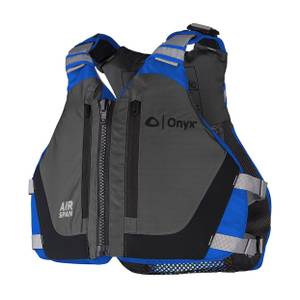
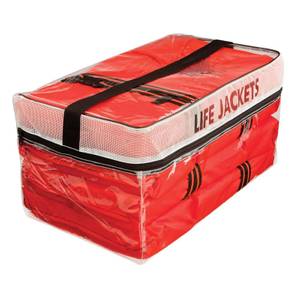
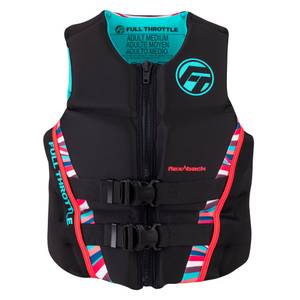
When you’re boating, swimming, water tubing, or participating in other marine activities, staying safe is a priority. It’s important to not only wear a life jacket but to also have a properly-sized one.
When a child is wearing a life jacket, the goal is to keep their head above the water. Make sure your kid’s life jacket has padded head support and a grab handle to help retrieve them out of the water. And the more straps on a child’s life jacket, the easier it will be to adjust their size.
For children, size will depend on their weight:
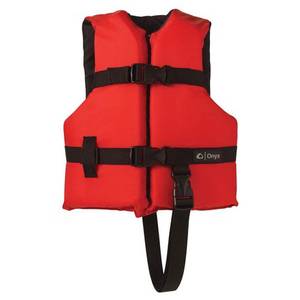
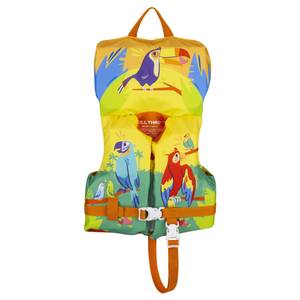
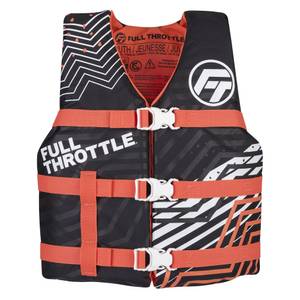
For adults, life jackets are measured in chest size, not weight. You should measure your chest at its widest point and refer to the manufacturer’s size chart.
You want your life jacket to have a snug fit but also give you a good range of motion. You want to make sure you can move without chafing against the life jacket, and you don’t want it to ride up. It should not be able to slip up above your ears or hit your chin.
Before buying a life jacket, we suggest trying them on. Adjust all straps and buckles. It should fit snugly without restricting your breathing or movement.
You can find both neoprene and nylon life jackets. Each offers its own advantages:
You should also look for a life jacket with sturdy stitching and durable buckles. More expensive options often are better quality, which translates to enhanced safety and longevity of the product.
To extend the life of your jacket, follow these tips:
In many places, wearing a life jacket is not just a safety recommendation—it’s the law. Ensure your life jacket is approved by the U.S. Coast Guard (or relevant local authority) and meets all legal requirements of the waters you will be on.
Don’t forget about your furry friend! If your dog will be joining you on your water adventures, they’ll need a dog life jacket, too.
Just like with humans, it’s very important that you find a life jacket that’s the right size and fit for your dog. Before looking at dog life jackets, measure your dog’s length, and around their neck and chest.
We also recommend looking for adjustable features to help you secure the perfect fit. And look at the buoyancy levels to ensure your dog can float comfortably.
Remember, the water is a place for fun and relaxation. And being prepared with the right safety gear ensures it stays that way.
For more buying guides like this one, check out our other Watersports articles.