

Buying GuideArticle
Choosing the Right Camping Stove
One of the most important parts of camping is the food. Learn which camp stove is right for your next camping trip, and get cooking!
Read More August 15, 2023 | Blain's Farm & FleetCamping in the rain doesn’t have to be a soggy, uncomfortable experience. In fact, with the right preparation and mindset, it can transform into an incredibly peaceful and refreshing adventure!
If you’re someone who loves the great outdoors but feels hesitant about camping in wet weather, you’ve come to the right place. Blain’s Farm & Fleet is here to share seven essential tips that will ensure your rainy camping trip is just as enjoyable (if not more so) than camping under clear skies.
So grab your raincoat, and let’s dive into making your next wet-weather camping trip a great success! Remember, with a bit of preparation and the right attitude, there’s no such thing as bad weather, just a new adventure waiting to happen.
Rain or shine, it’s always important to find the right spot for your tent. Don’t pitch your tent on soft ground, in depressions, or areas that slope. All of these are likely to flood if it rains, leaving your tent in a giant puddle. Look for an even area that will easily drain.
For more information on campsite selection, read through our tips on choosing the perfect campsite.
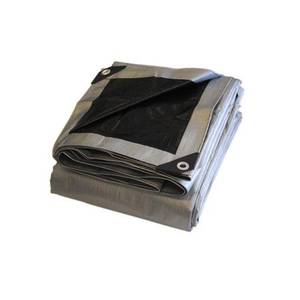
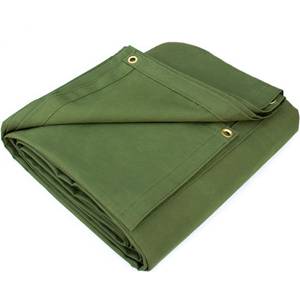
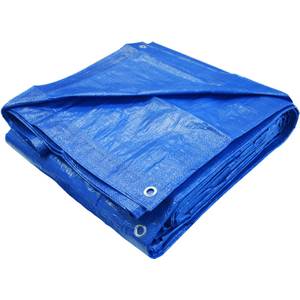
While most tents have a tarp base layer, you’ll want to bring extra tarps for your campsite. Pitching a tarp over a picnic table, cooking area, or dining area can all help your food and equipment stay dry from the rain.
You can also pitch a tarp over your tent as extra protection from the rainy weather. While it’s important to keep yourself dry, protecting your camping supplies and food makes for a better camping trip, too.
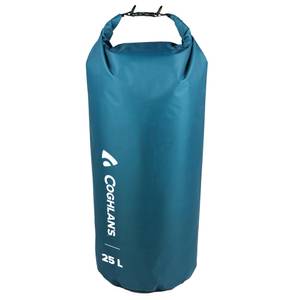
If rain is in the forecast, you’ll want to bring waterproof bags with. Line backpacks and duffel bags with garbage bags to keep everything inside nice and dry.
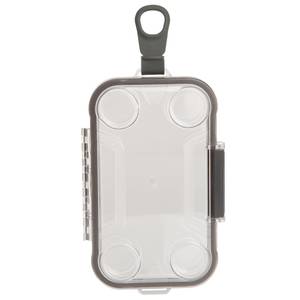
You can also use a waterproof dry bag to keep equipment dry. These work especially well for electronics and equipment with batteries, such as flashlights.
Freezer and food storage bags also work well for keeping supplies dry and organized.
Take off any shoes and outerwear that get wet, and leave them outside the tent. You don’t want to bring wet gear into your warm, dry tent.
Keep the tent well ventilated, so condensation doesn’t build up inside. To do this, we recommend at least partly opening the outer rainfly and other doors and windows on your tent. This will help provide some airflow.
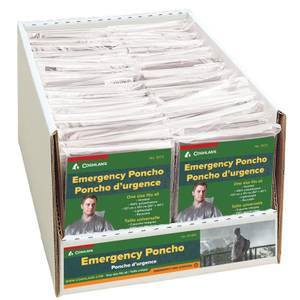
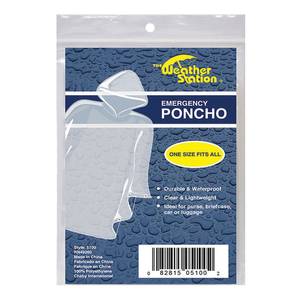
Prepare for wet weather with the right rain gear. Don’t forget to bring along extra dry clothes and waterproof layers, including rain jackets, pants, and boots. Make sure the boots have good traction, so you don’t slip on the wet surfaces. A poncho also works well, and you can easily pack it in with your camping gear.
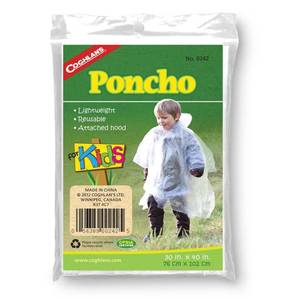
If and when your clothing does get wet, make sure you hang them up to dry on a clothesline. If it’s still raining outside, have them dry under a tarp.
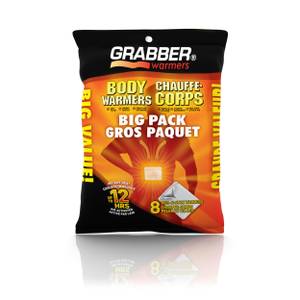
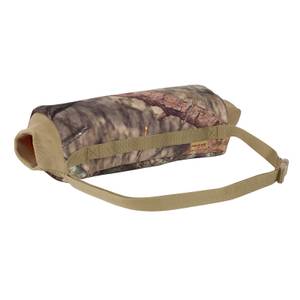
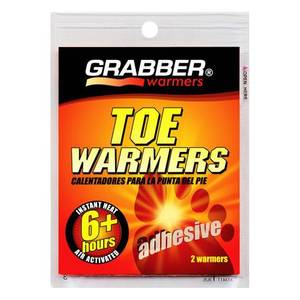
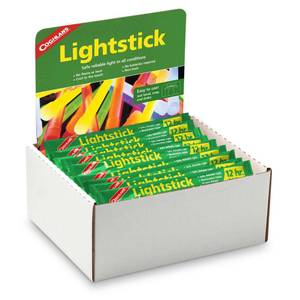
When it’s raining, it can get cold fast. Make sure you have everything you need to stay warm. It’s always a good idea to pack some hand warmers.
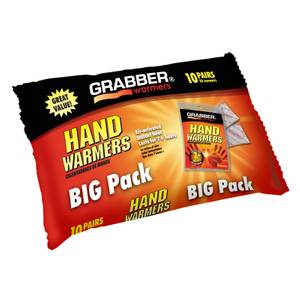
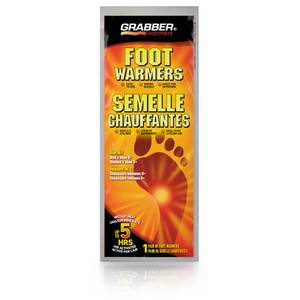
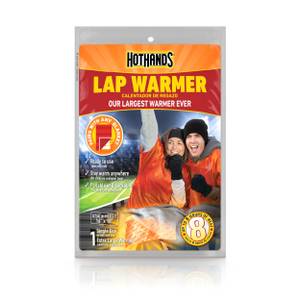
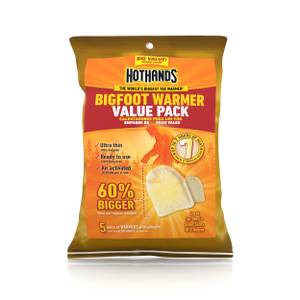
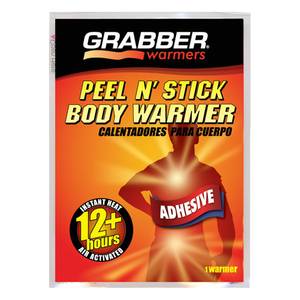
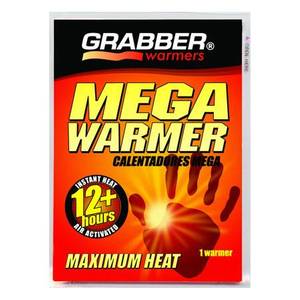
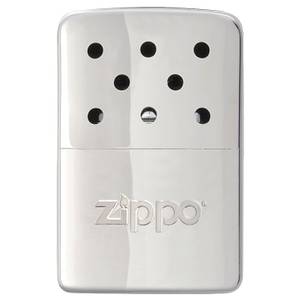


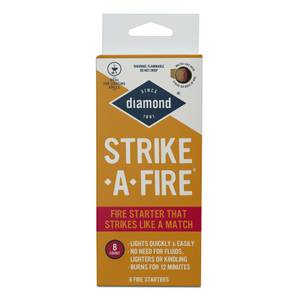
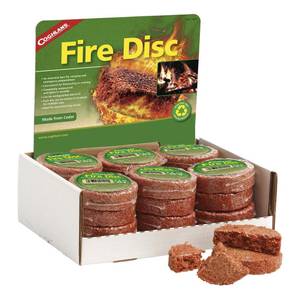
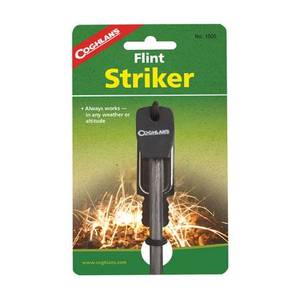
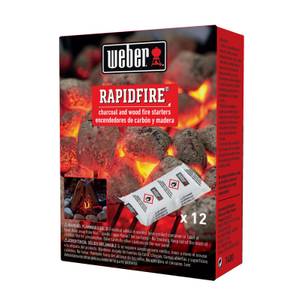
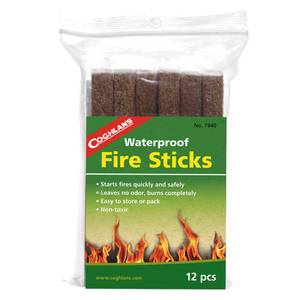
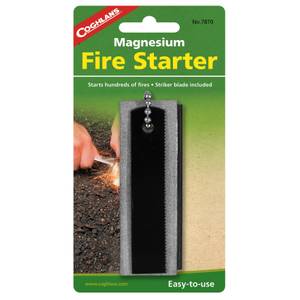
Fires will also be harder to start with wet wood, so we suggest bringing some extra fire starters. Newspaper also works well for starting fires, even when everything is wet outside.
And a gas camping stove will still ignite, even in the rain.


Mold and mildew can wreak havoc on wet clothes and gear, especially if you just throw them in the corner of your tent or in a camping bag.
When you get home, make sure you air out all your clothing and camping gear. Metal parts (such as tent parts and utensils) can become corroded from rust, and fabric can suffer from mold and mildew.
Experiencing the great outdoors is one of the best parts of summer. At Blain’s Farm & Fleet, we understand. That’s why you’ll find everything you need for your next outdoor adventure.
For more tips on outdoor activities for the whole family, see our other Camping articles.