Article
Pressure Washer: How Many PSI?
Because pressure washers have many uses, they come in many sizes and pressures. Learn how to choose the right PSI for your project.
Read More May 18, 2015 | Blain's Farm & FleetIf you’ve found yourself in a never-ending battle with weeds in your garden, you’re not alone. Weeds are more than just a nuisance. They can also rob your beautiful flowers and hearty vegetables of essential nutrients and sunlight.
That’s why Blain’s Farm & Fleet is here to arm you with 10 tried-and-true methods to get rid of garden weeds for good. Whether you’re a seasoned gardener or just starting to cultivate your green thumb, these strategies will help turn your garden into the vibrant, weed-free space you’ve always dreamed of.
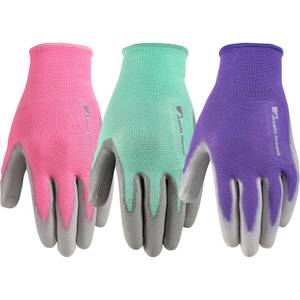
So grab your gardening gloves, and let’s show those weeds who’s boss!
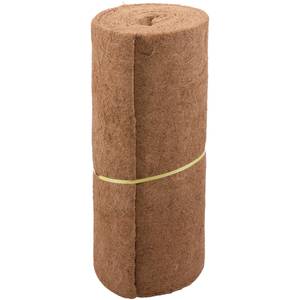
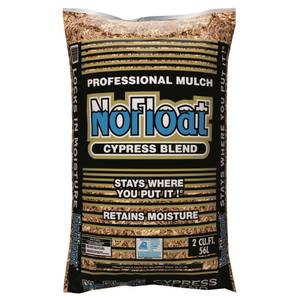
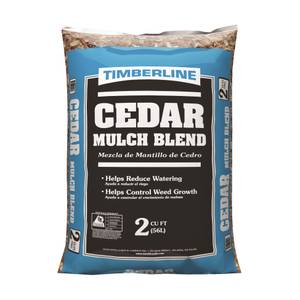
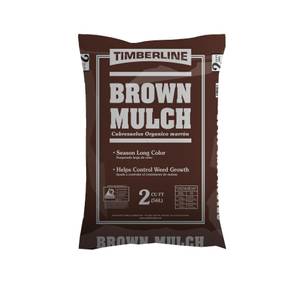
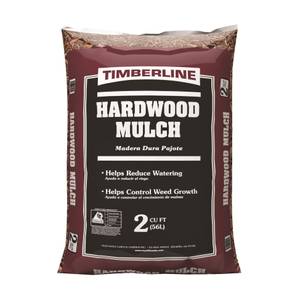
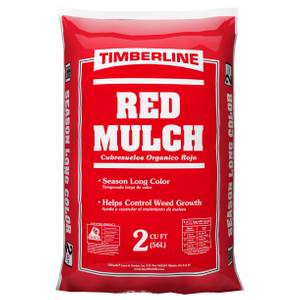
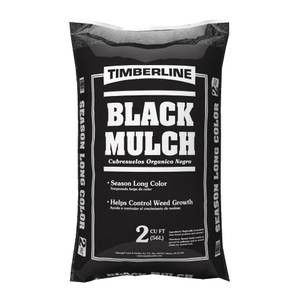
Mulch is your garden’s best friend. By blanketing the soil, it blocks sunlight, inhibiting the growth of weeds underneath it. Lay the mulch between your plants, while leaving a few inches around the stems to keep insects and bacteria away.
Are pesky dandelions taking over your garden? Use white vinegar or apple cider vinegar for a natural weed killer. Just fill up a spray bottle, and spray directly onto the weed. Target the flower and stem for the vinegar to seep into the roots.
Plant cover crops such as sudangrass, barley, oats, wheat, and rye during the off-season. These crops compete with weeds for nutrients and light, leaving little for the unwanted greens.
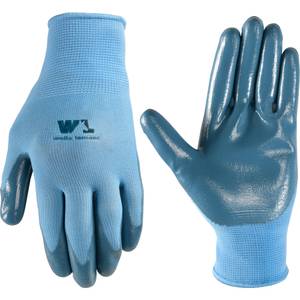
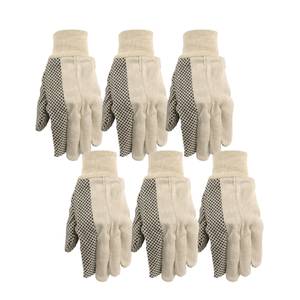
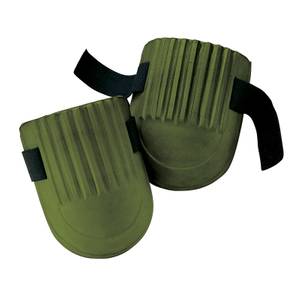
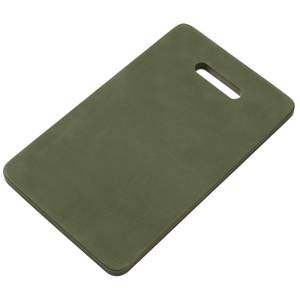
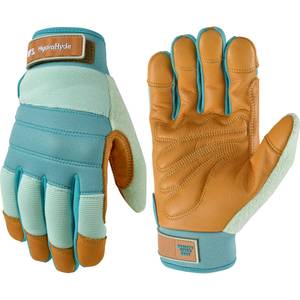
Pulling weeds by hand can be a a pain, so break it up into small, manageable sections. You don’t have to work through your entire garden in one day. Be sure to wear garden gloves and use a kneeling pad for comfort if you plan on weeding for an extended amount of time.
This method is ideal for sidewalk cracks or garden pathways where no plants, including your garden plants, are desired. Sprinkle rock salt sparingly, or use a mixture of one cup of salt and two cups of boiling water in a spray bottle for a homemade weed killer. Make sure you keep it away from your garden beds to protect your plants.
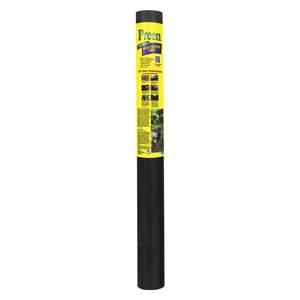
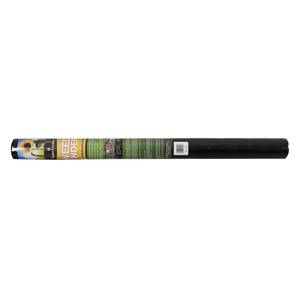
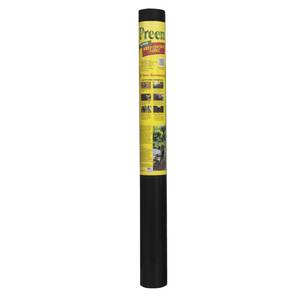
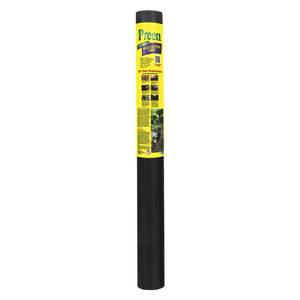
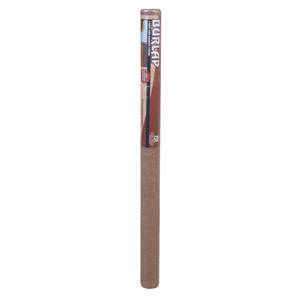
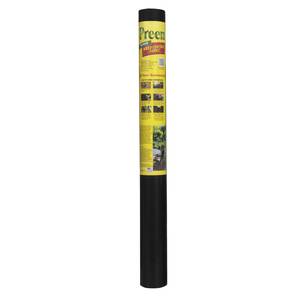
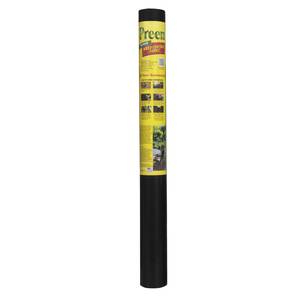
Like mulch, materials including landscape fabric, carpet scraps, and newspaper block sunlight to prevent weeds from growing. However, they also help retain soil moisture. Lay these materials in your garden, then add mulch on top for a double barrier against weed growth.
Sometimes, pulling the weeds isn’t enough. Use a garden spade or spading fork to dig up the entire root system. This will ensure the weed doesn’t make an unwelcome return.
Fill up your tea kettle and douse the weeds with boiling water. Just be careful not to get the hot water on any of your garden plants. The hot water will kill weeds, as well as any other plants it touches.
By planting your vegetables or flowers closer together, you naturally shade the soil. This minimizes the spaces where weeds can establish.
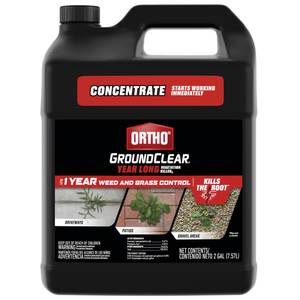
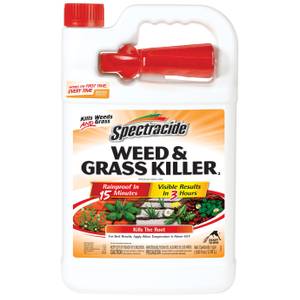
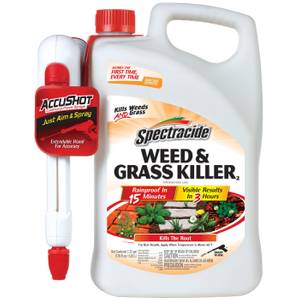
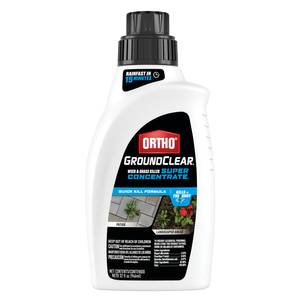
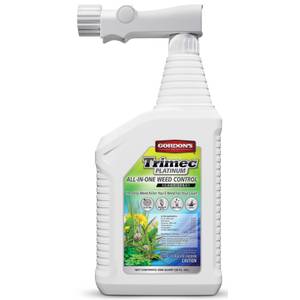
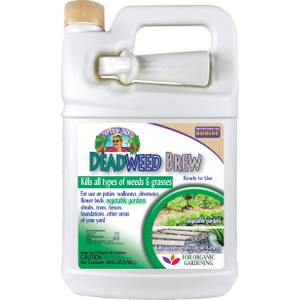
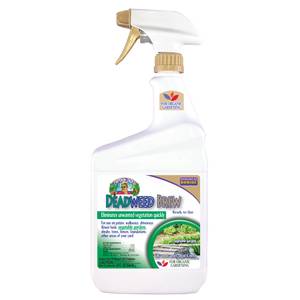
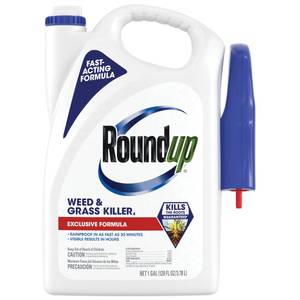
If all else fails, a carefully-selected herbicide might be necessary. Read the labels thoroughly to ensure it’s safe for use around your plants, and apply as directed to target weeds without harming your garden.
Weeds may be persistent, but armed with the right strategies, you’re more than capable of protecting your garden’s health and beauty. Regular maintenance and a keen eye will keep your garden flourishing.
For more guides and how-tos like this one, check out our other Outdoor Maintenance articles.