Article
Planting Deer-Resistant Plants
Curious deer love to munch on your plants and flowers. Help keep the deer out of your garden by planting these deer-resistant plants.
Read More August 3, 2016 | Blain's Farm & FleetGrowing roses can seem like a daunting task, especially if you’re new to gardening. The good news? It’s much simpler than it looks. And Blain’s Farm & Fleet is here to guide you through every step of the way.
You don’t need to be born with a green thumb to grow beautiful roses. With a few basic guidelines and a bit of care, you’ll soon have a garden that’s the envy of the neighborhood.
The first step to planting and growing roses is choosing the right type for your garden. The variety of roses available can be a bit overwhelming. From climbing roses to English roses to heirloom roses, the list goes on.
Before you start browsing through seed catalogs and nurseries, you need to know which roses will work in your climate. Learn more about which roses will thrive in your area with our guide to USDA hardiness zones and gardening.
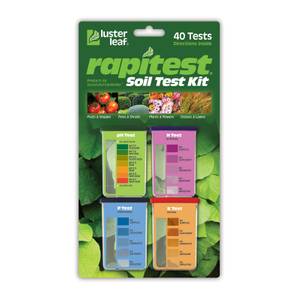
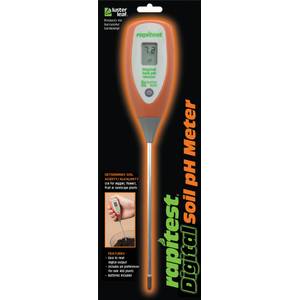
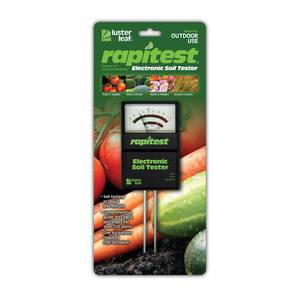
Before you plant roses, you’ll need to also test your soil’s pH. Rose bushes need a near-neutral pH range of 5.5 to 7.0 on the pH scale.
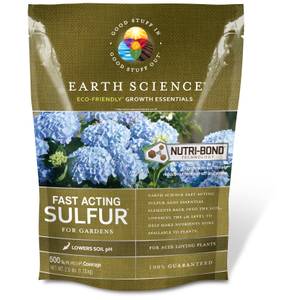
You can use a soil pH test kit to test your soil. If it’s too acidic, you can add limestone to the soil. If it’s too alkaline, you can add ground sulfur.
Roses need a minimum of five to six hours of full sunlight per day. If you plan on cutting back or transplanting roses, do it either in the spring or fall. Summertime is too hot, and can weaken and eventually kill the plants. It’s important you don’t crowd the roses.
Roses need plenty of water, but be careful not to overly water them. The entire root zone should be soaked twice a week during the dry summer months. Provide your roses with adequate drainage. They can die if the soil gets too wet.
The best way to retain moisture and conserve water is by using mulch around your rose bushes. Use two to four inches of mulch, keeping about an inch of space between the base stem and the mulch.
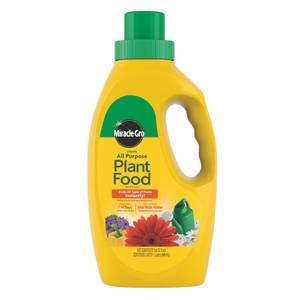
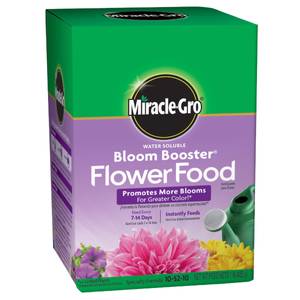
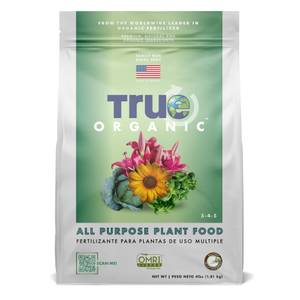
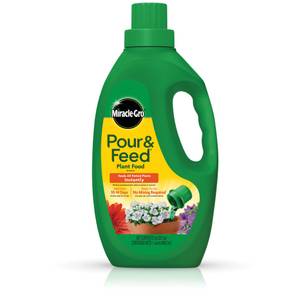
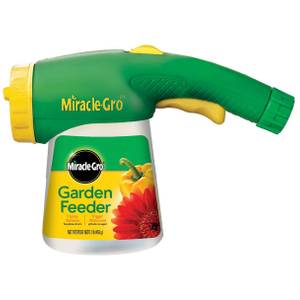
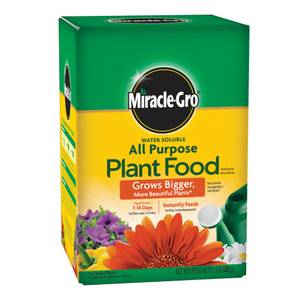
Roses also need fertilizer to bloom and grow. The three nutrients that roses need from a fertilizer are nitrogen, phosphorus, and potassium.
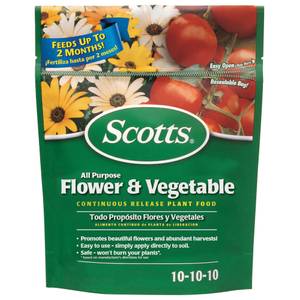
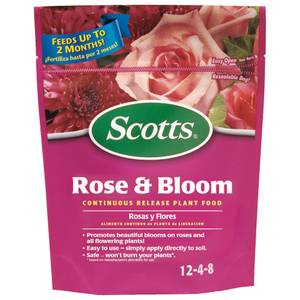
If you’re looking at a fertilizer label, you’ll see a three-digit hyphenated number. The numbers are the percentages of those three nutrients. For example, if a fertilizer is listed as 12-4-8, that means it contains 12% nitrogen, 4% phosphorus, and 8% potassium.
You can fertilizer newly planted roses once they’re established, which is about three or four weeks after you plant them. For older plants, feeding can begin in the early spring when new growth appears.
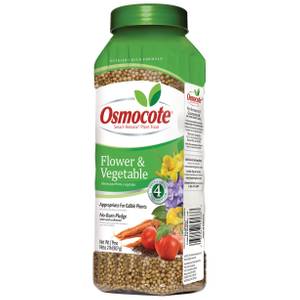
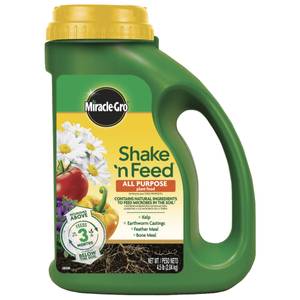
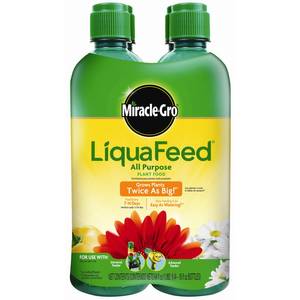
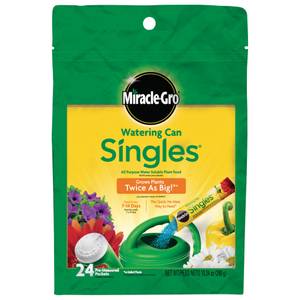
You should feed roses every two weeks with a water-soluble rose food. You can also use a continuous release rose food, which feeds for a few months at a time. With any fertilizer or plant food, always follow the directions on the label.
For more tips on caring for your flower and vegetable gardens, check out our other Gardening articles.