




Article
Feeding Birds in Your Backyard
To attract birds to your backyard, you'll need to have some food to entice them and keep them coming back. Feeding birds is easy!
Read More May 26, 2015 | Blain's Farm & FleetMourning doves are gentle, graceful birds that can bring a sense of peace to your yard. They’re known for their soft cooing sounds and are a favorite among bird watchers. Though they can be a bit shy and selective, with the right approach, you can create an ideal environment to welcome mourning doves. This guide from Blain’s Farm & Fleet will help you attract these beautiful birds to your yard.
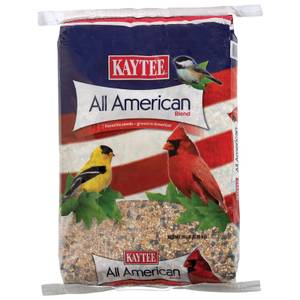
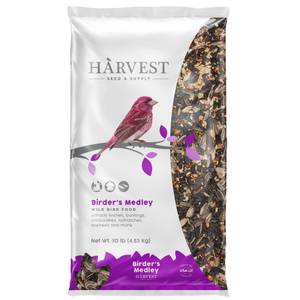
Food in a proper feeder is one of the most important factors in attracting mourning doves.
These birds favor specific types of seeds and grains, so having the right options can make all the difference. Here’s what mourning doves love to eat:
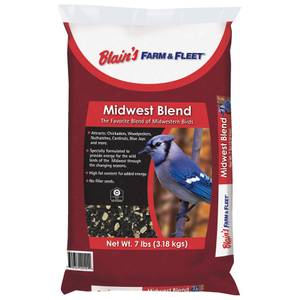
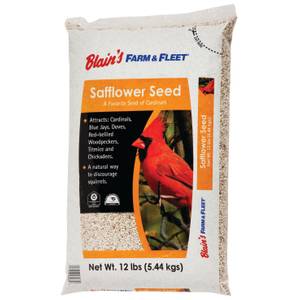
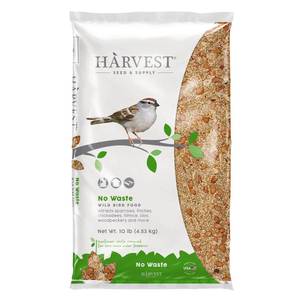
Mourning doves are slightly larger than many backyard birds, which means they prefer platform or tray feeders where they can perch comfortably. They’re also happy feeding directly from the ground, as long as the area is relatively clean of seed husks or other debris that might bury their food.
You can also plant berry bushes or seed-bearing flowers for another food source. Once the birds find a reliable food supply in your yard, they’re likely to keep coming back to that same spot.
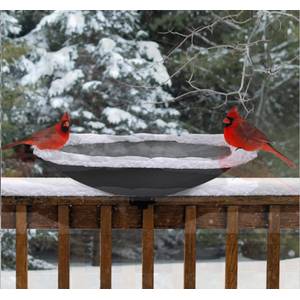
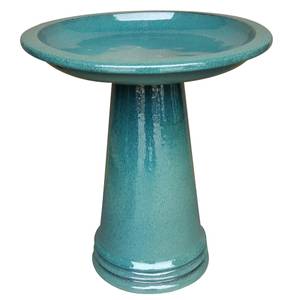
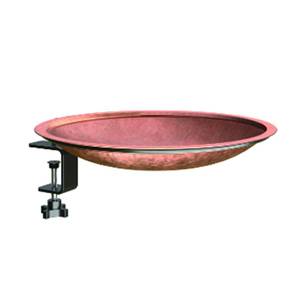
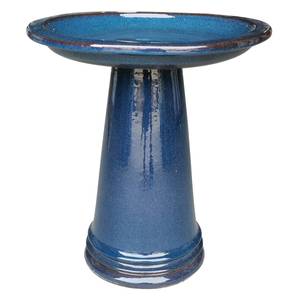
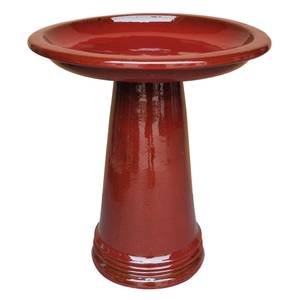
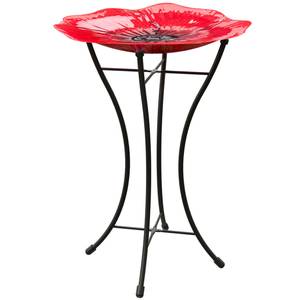
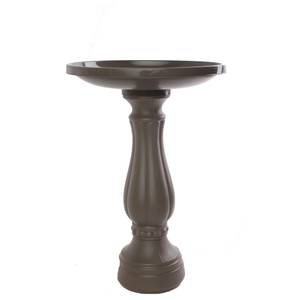
All birds, including mourning doves, need access to fresh, clean water for both drinking and bathing. A well-maintained bird bath can be a simple yet effective way to invite mourning doves to stop by.
Set up a shallow bird bath with about one to two inches of water. Mourning doves prefer shallow water, so avoid anything too deep. You can even add a few small stones or a shallow ramp to your bird bath to give mourning doves better footing and make it easier for them to access the water.
Place the birdbath in a sunny, open area where they feel safe and can keep an eye out for danger. Avoid locations that are too close to thick vegetation where predators may hide.
Be sure to regularly empty and clean your bird bath to prevent algae growth and spread of diseases among your feathered friends.
Mourning doves are drawn to environments where they can feel safe and secure.
They’ll want a place they can rest and nest:
Mourning doves are cautious birds, so it’s essential to give them a safe and peaceful environment where they feel safe. Here’s how you can achieve that:
Mourning doves are a joy to have around. And creating a welcoming environment for them is a rewarding experience for any bird lover. With a little care and effort, you’ll soon have mourning doves gracing your outdoor space.
For more how-to guides like this one, check out our other Wild Birds & Bird Watching articles.