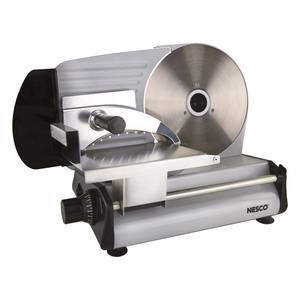
Have you ever felt frustrated trying to slice meat thinly for your sandwiches or charcuterie board? Or maybe you’ve struggled to get even cuts on your vegetables? If so, a meat slicer just might be the tool you need. This versatile device can transform your kitchen experience, making food prep faster and more efficient.
Discover how to make the most out of your meat slicer with Blain’s Farm & Fleet. Whether you’re a home cook or hunter looking to process your own meat, these five tips will help you elevate your slicing game.
Understanding Your Meat Slicer
Before we dive into the tips, it’s important to understand the meat slicer itself. Knowing the components and functions of your slicer will help you use it safely and efficiently.
The Anatomy of a Meat Slicer
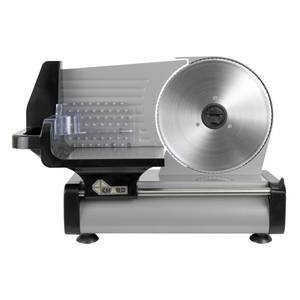
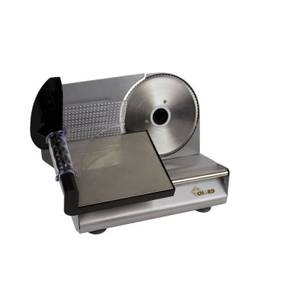
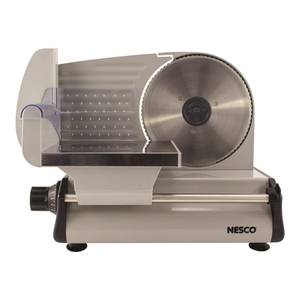
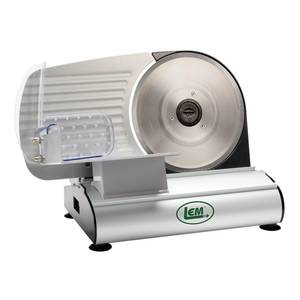
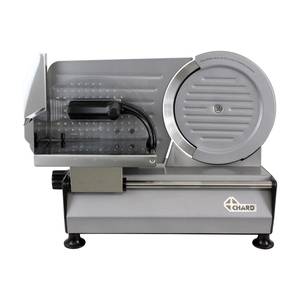
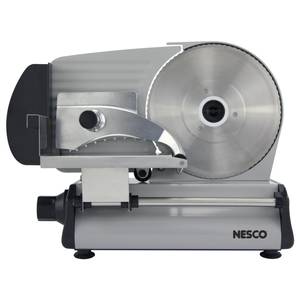
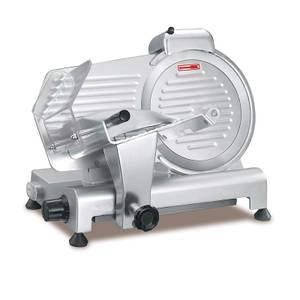
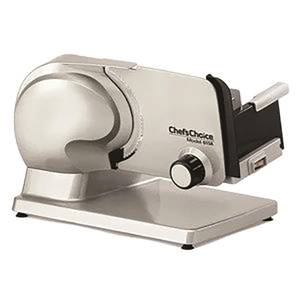
A typical meat slicer consists of several key parts:
- Blade: This is the cutting compound and can be either smooth or serrated.
- Food carriage: Holds the food item and moves it against the blade.
- Thickness adjustment knob: Allows you to control the thickness of each slice.
- Motor: Powers the blade, enabling it to slice through food effortlessly.
Benefits of Using a Meat Slicer
Why should you invest in a meat slicer? Here are a few benefits:
- Efficiency: Save time compared to manual slicing.
- Precision: Offers uniform slices every time.
- Versatility: Can slice a variety of foods, from meats to vegetables and cheeses.
Safety should always be your top priority when using a meat slicer. Ensure that you follow the user manual and wear cut-resistant gloves.
1. Slice More Than Just Meat
You don’t have to limit your meat slicer to just slicing meats. You can use it to slice a variety of foods, including vegetables, fruits, and even bread and cheese.
Anything you can cut with a mandolin, you can cut with a meat slicer. It works much better than a knife for cutting ultra-thin slices and ensures uniform cuts. Imagine easily crafting perfect pepper rings for your salads or thinly sliced pieces of cheese for your sandwiches.
Next time you’re preparing a charcuterie board, use your slicer for the cheese and bread as well as the meat. The precision of the slicer will do wonders for your presentation.
2. Choose the Right Blade for the Job
When it comes to slicing bread and cheese, a serrated blade is your best friend. Serrated blades have a saw-like edge that grips the surface of the food. This type of blade is ideal for hard or soft foods because it reduces sticking and crumbling, making your slicing smoother and more efficient.
This is especially useful for homemade bread, which can be more delicate than store-bought loaves. If you frequently slice bread or cheese, consider investing in a serrated blade for your slicer. This small adjustment can make a big difference in your slicing experience.
3. Let the Slicer Do Its Thing
One common mistake people make when using a meat slicer is applying too much force. It’s tempting to rush the process, but applying too much pressure can wear out the motor and slow down the blade. Always allow the food carriage to glide smoothly across the blade.
Letting the slicer do the work not only extends its lifespan but also ensures cleaner cuts. Patience here is key to maintaining your equipment and achieving the best results.
Regular maintenance of the motor is also essential. Follow the manufacturer’s instructions for cleaning and lubricating the motor to keep it running smoothly.
4. Keep the Food as Cold as Possible
The colder the food, the better your meat slicer will work. This is because cold food is easier to slice and produces better results. Cold meats, vegetables, and cheeses are firmer and less likely to crumble.
Before slicing, chill your meat or other foods in the freezer for about 30 minutes to firm them up. Avoid slicing fully frozen foods, as ice crystals can dull your slicer blade and overwork the motor. Always aim for a balance where the food is firm but not frozen solid.
5. Create a Flat Surface
For the most uniform slices, start by cutting your breads, meats, or other food items in half to create a flat surface. A stable base makes it easier to control the food item during slicing, leading to more consistent and even cuts. It also reduces the risk of slipping and accidents, making the slicing process safer.
This method is particularly useful with round items like loaves of bread or larger cuts of meat. A steady foundation is essential for precision slicing.
Ready to take your kitchen skills to the next level? Try these tips during your next meal prep session and experience the difference a well-utilized meat slicer can make.
For more expert advice and kitchen tips, check out our other Cooking & Recipes articles.