Navigating the maze of modern lighting options can feel like a daunting task. With the recent shift away from traditional halogen and incandescent bulbs, you might find yourself at a crossroads, wondering which path to take for your home’s lighting needs.
But don’t worry! Blain’s Farm & Fleet is here to shed light on the various types of light bulbs available. We want to help you make informed decisions that will brighten up your space while being kind to your wallet and the planet.
Whether you’re a first-time buyer puzzled by the plethora of choices or a seasoned homeowner looking to update your lighting setup, this guide is crafted with you in mind.
The Department of Energy has recently enacted standards calling for greater efficiency among light bulbs. This move has effectively ended the production of less efficient halogen and incandescent light bulbs.
Simply put, these traditional bulbs consume more power and offer less light per watt compared to their modern counterparts. While it might seem like a hassle to replace them, it’s actually an opportunity to explore more sustainable and cost-effective lighting solutions.
Identifying Your Lighting Needs
Before diving into the variety of lighting options, it’s crucial to assess your needs. Consider the ambiance you wish to create, the purpose of each room, and how much light it requires.
Do you need bright, task-oriented lighting for a home office, or are you looking for a warm, cozy glow in your living room? Understanding these needs will help you navigate the options more effectively.
LED Lights: The Front Runner
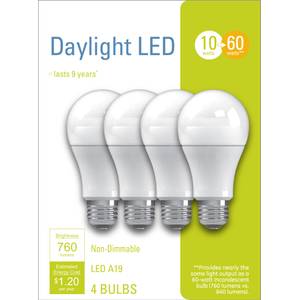
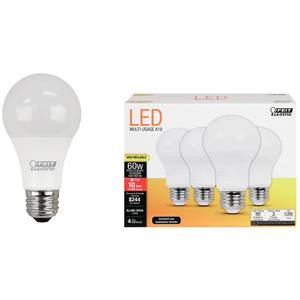
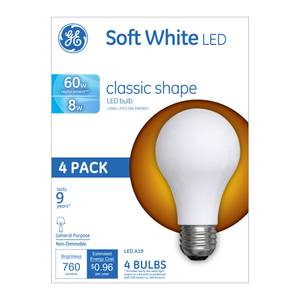
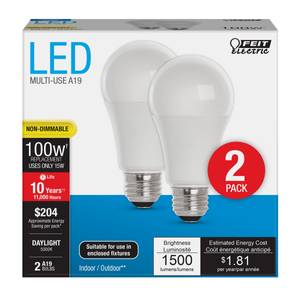
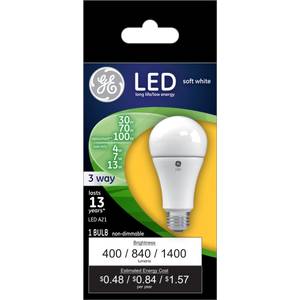
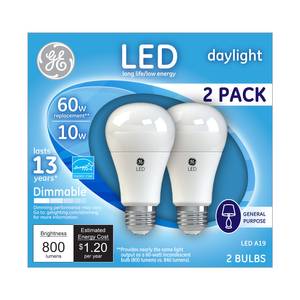
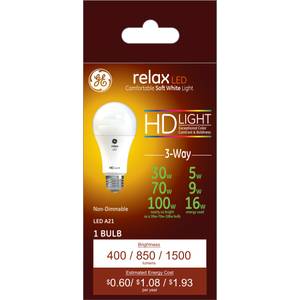
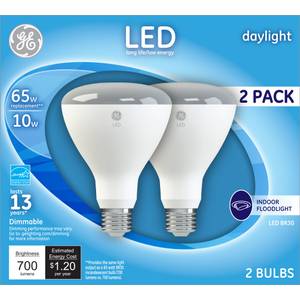
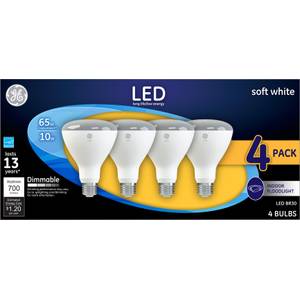
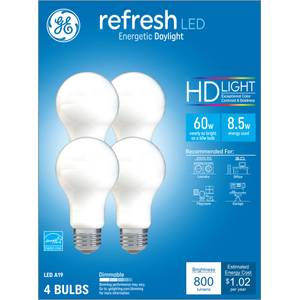
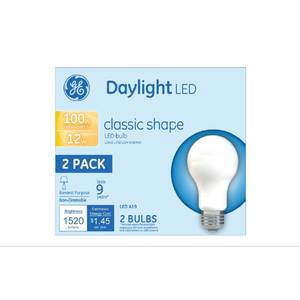
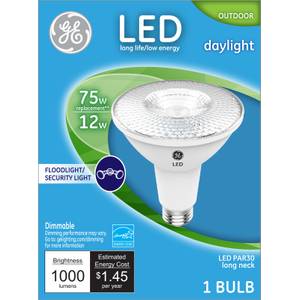
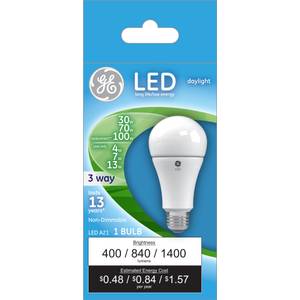
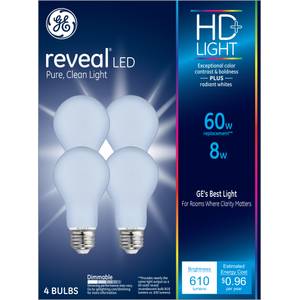
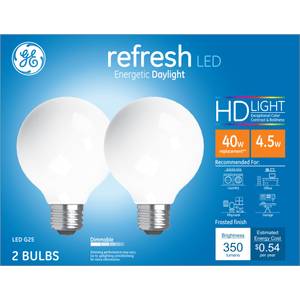
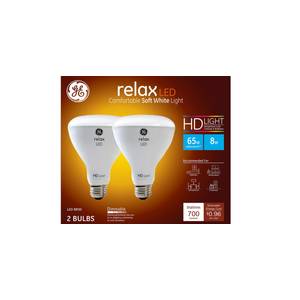
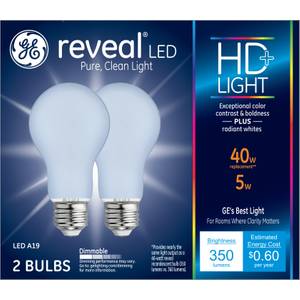
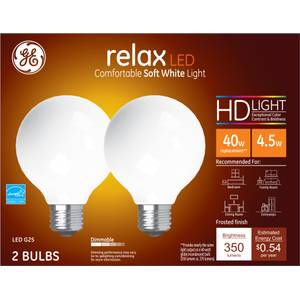
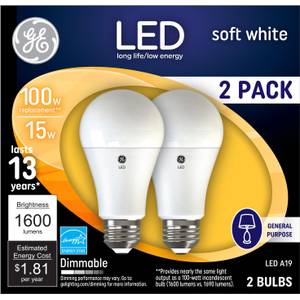
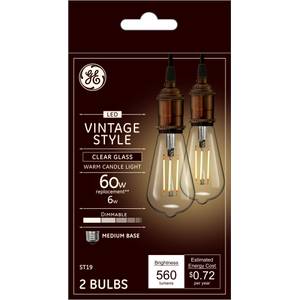
LEDs (Light Emitting Diodes) stand out as the superior light bulb alternative. Not only do they consume significantly less energy than the halogen and incandescent bulbs. But they also boast a longer lifespan, ensuring savings on both your energy bill and replacement costs.
From vibrant hues to dimmable options, LED lights offer versatility without compromising on style or efficiency.
If you’re replacing a CFL bulb, halogen bulb, or incandescent bulb, use the chart below to find the right LED bulb for you.
Incandescent
Halogen
CFL
LED
100 watts
72 watts
23 watts
14-16 watts
75 watts
53 watts
20 watts
12-13 watts
60 watts
43 watts
15 watts
8-9 watts
Switching to energy-efficient lighting doesn’t have to be daunting. Here are some practical tips to ease the transition:
Start Small: Replace bulbs in high-use areas first, such as the living room or kitchen, to see immediate savings on your energy bill.
Consider Lumens, Not Watts: Focus on the brightness (lumens) rather than the power consumed (watts). This will help you find the most efficient bulbs that meet your lighting needs.
Embrace Variety: Experiment with different types of bulbs to find the perfect match for each room. Remember, lighting can greatly affect the mood and functionality of a space.
Understanding Light Color
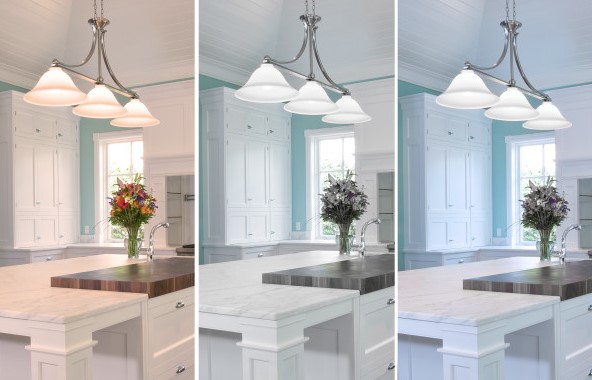
The color of light plays a crucial role in setting the mood of a room. By choosing the right color temperature, you can enhance your space’s ambiance and function.
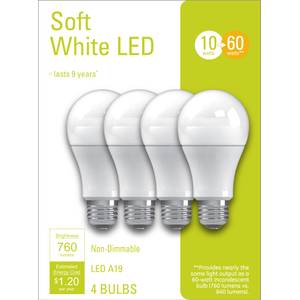
Warm White Bulbs (2700K-3000K): Create a cozy atmosphere, perfect for relaxing.
Cool White Bulbs (3500K-4100K): Offer a more alert vibe, suitable for kitchens or offices.
Daylight Bulbs (5000K-6500K): Mimic natural sunlight, promoting focus and clarity. They’re ideal for spaces where concentration is key.
See the image above for an idea of what each of the three light colors would look like in your home.
Now that you’re equipped with the knowledge to make an informed decision, check out your local Blain’s Farm & Fleet to find a variety of LED light bulbs.
For more buying guides like this one, see some of our other Electrical articles.