Quick answer: To protect your lawn during a drought, water deeply and infrequently (1–1.5 inches per week), raise your mowing height to 3.5–4 inches, avoid fertilizing during dry spells, and let cool-season grasses go dormant rather than forcing them to stay green. Preparation before drought hits — through aeration, proper mowing habits, and choosing drought-tolerant grass varieties — makes all the difference come July and August.
Midwest summers don’t ease you in. One week you’re mowing twice, and the next you’re watching your lawn fade from green to gray. A stretch of dry, hot weather — especially when temperatures climb past 90°F — puts serious pressure on cool-season grasses like Kentucky bluegrass and tall fescue, which are common across Illinois, Wisconsin, Michigan, and the surrounding region.
The good news? Whether you’ve been planning ahead since spring or you’re already staring at a sun-scorched yard, there’s plenty you can do. This guide walks you through how to prep your lawn before drought hits, how to manage it when you’re right in the thick of a dry stretch, and how to bring it back once conditions improve.
What Does Drought Stress Actually Do to Grass?
Drought stress happens when your grass can’t absorb enough water to support normal growth. As moisture gets limited, grass shifts into conservation mode — slowing growth, changing color, and eventually going dormant to survive.
The key thing to understand here is that drought stress is a process, not an overnight event. According to TruGreen, it moves through four predictable stages:
Early warning: Grass takes on a dull blue-gray tint, and footprints stay visible after you walk across the lawn. At this stage, the roots are still active. With timely irrigation, the turf can often bounce back within one to two days.
The tipping point: Growth slows and grass blades start to fold inward to conserve moisture. Patchy areas develop where soil dries out faster. This is your last window for consistent watering to fully revive the lawn before growth shuts down.
Pre-dormancy: The lawn stops growing. Color fades to greenish-brown and the turf becomes fragile. Mowing or foot traffic can damage grass crowns at this stage. Once moisture returns, expect 10–14 days before active recovery begins.
Dormancy: Grass turns fully brown. This is a survival response, not a death sentence — as long as the crowns and root system stay protected.
How Do You Know If Your Grass Is Dormant or Dead?
This is one of the most common questions homeowners have during a dry stretch — and the answer matters, because dormant grass recovers on its own while dead grass needs to be reseeded.
Here’s a simple test: grab a handful of brown grass and tug firmly. If it pulls out easily with no resistance, the roots are gone and the turf needs to be replaced. If the grass holds firm, the root system is still alive — it’s dormant and will green up when temperatures cool and moisture returns.
Dormant lawns also tend to brown out uniformly across large areas, while dead patches appear in irregular spots that correspond to a specific stressor (like a drainage problem, grub damage, or a chemical spill).
How to Prepare Your Lawn for Summer Drought Before It Hits
The most drought-resistant lawn you can have is one that was built up well before summer arrived. Here’s what makes the biggest difference:
Aerate Your Soil in Fall or Early Spring
Compacted soil is one of the main reasons lawns struggle during dry conditions. When soil particles are pressed tightly together, water can’t penetrate deeply enough to reach the root zone — so even when you do water, it runs off rather than soaking in. Core aeration pulls 2–3 inch plugs from the soil, opening up pore space for water, air, and nutrients.
For cool-season lawns common to the Midwest, fall is the best time to aerate. Early spring works too. Either way, aerate before the stress of summer sets in, not during it.
Mow High — and Keep It That Way
The mowing height you set in spring actually shapes how your lawn handles heat. We recommend maintaining cool-season grasses at 3 to 4 inches throughout the growing season. Taller grass shades the soil, which slows evaporation and keeps the root zone cooler. It also encourages deeper root growth, which gives your lawn a bigger water reservoir to draw from.
Follow the one-third rule every time you mow: never remove more than one-third of the blade in a single cutting. Cutting too short — especially right before a heat wave — is one of the fastest ways to turn a manageable drought into a lawn disaster.
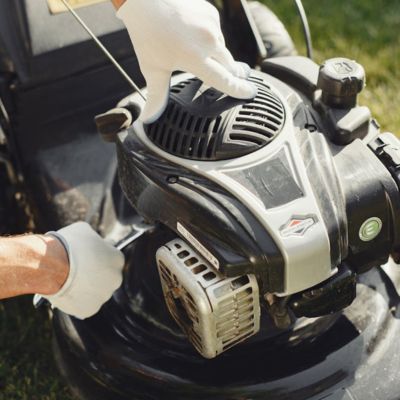
Sharp mower blades matter more than most people realize. Dull blades tear grass rather than cutting it cleanly, which increases water loss and leaves the lawn more vulnerable to disease and stress.
Mower Tune Up and Blade Sharpening
Living in the Midwest means your chores change with the seasons. Our service centers are designed to be evergreen, providing the specific support you need exactly when you need it.
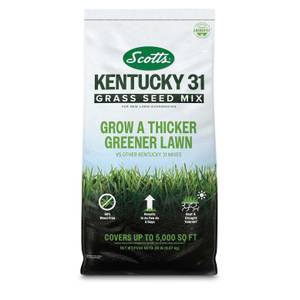
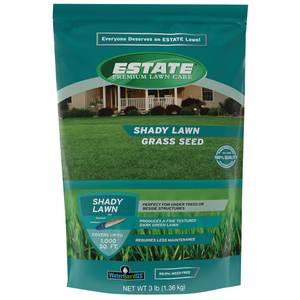
Not all grasses handle drought the same way. If you’re overseeding bare spots or renovating sections of your yard, selecting the right variety is worth thinking about.
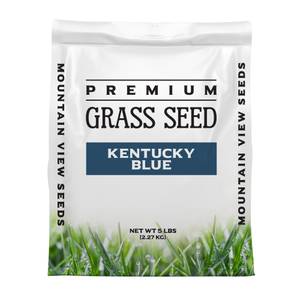
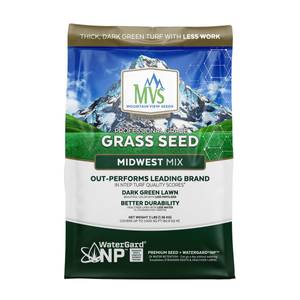
Kentucky bluegrass is by far the most popular cool-season grass in the Midwest — it has great recovery ability and handles moderate drought by going dormant. Turf-type tall fescue is a stronger performer during dry conditions thanks to its deeper root system, which lets it access moisture further below the surface. Tall fescue will often stay green longer into midwest summers than other cool-season varieties.
For Midwest homeowners, a blend of tall fescue and Kentucky bluegrass tends to offer good resilience — the fescue carries the drought load while the bluegrass fills in gaps and provides density.
Fertilizing at the wrong time creates problems you won’t see coming until your lawn is already stressed. Applying high-nitrogen fertilizer during hot, dry conditions pushes excessive top growth when your grass should be conserving energy and moving toward dormancy. That extra growth depletes plant reserves fast.
Skip summer fertilizer applications and waiting until early September for most Midwest lawns.
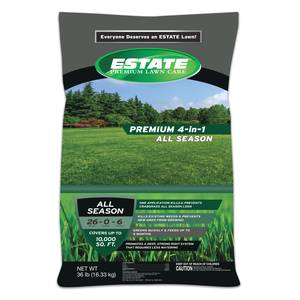
We recommend skipping summer fertilizer applications and waiting until early September for most Midwest lawns. If you want to build strong roots before summer hits, a spring application — timed for when temperatures are consistently between 60 and 80 degrees — is your best move. Blain’s Farm & Fleet carries ESTATE Premium 4-in-1 Fertilizer, which includes slow-release nitrogen that feeds the lawn steadily over up to five months without the surge growth that leads to burn. It also promotes a deeper root system, which directly improves drought tolerance.
Didn’t get a chance to prep? That’s okay. You still have options.
Water Deeply and Infrequently
The most important thing you can do during a drought is water the right way. Deep, infrequent watering — rather than light, frequent watering — encourages roots to grow deeper into the soil where moisture is more stable.
Deep, infrequent watering, rather than light, frequent watering, encourages roots to grow deeper into the soil where moisture is more stable.
A healthy lawn needs roughly 1 to 1.5 inches of water per week to stay green. If your grass hasn’t entered dormancy yet, aim to deliver that amount in one or two sessions per week rather than small daily doses. Water in the early morning so moisture soaks into the soil before evaporation rates climb.
If your lawn has already gone dormant (turned tan or brown), you don’t need to keep watering it to stay green — that will only drain the plant’s reserves. Instead, apply ¼ to ½ inch every two to four weeks. That minimal amount is enough to keep the crowns and roots alive through extended dry periods, so the lawn can recover when conditions improve.
Avoid watering in the heat of the afternoon. Most of what you apply will evaporate before it ever reaches the roots.
Raise Your Mowing Height Immediately
If you’ve been mowing at 2.5 inches, bump it up to 3.5–4 inches right away. This is one of the simplest and most effective adjustments you can make during a drought. Taller grass shades the soil, slows surface evaporation, and reduces the heat stress on individual plants. Need a new mower? checkout our article on choosing the right mower for your lawn.
Also, avoid mowing at all when grass looks wilted or discolored. Mowing during peak drought stress — especially in the heat of the afternoon — can damage fragile grass crowns and set back any recovery.
Stay Off the Lawn
Drought-stressed grass has very little tolerance for additional pressure. Foot traffic, lawn furniture, and equipment compress already-dry soil and can damage crowns in the pre-dormancy and dormancy stages. The less traffic on a stressed lawn, the faster it recovers once rain returns.
Don’t Fertilize During a Drought
Applying fertilizer to a drought-stressed lawn without adequate soil moisture increases stress and risks burning the turf. Hold off until your lawn is getting consistent rainfall again — then targeted fertilization can support healthy regrowth.
The Secret for a Deeper Green
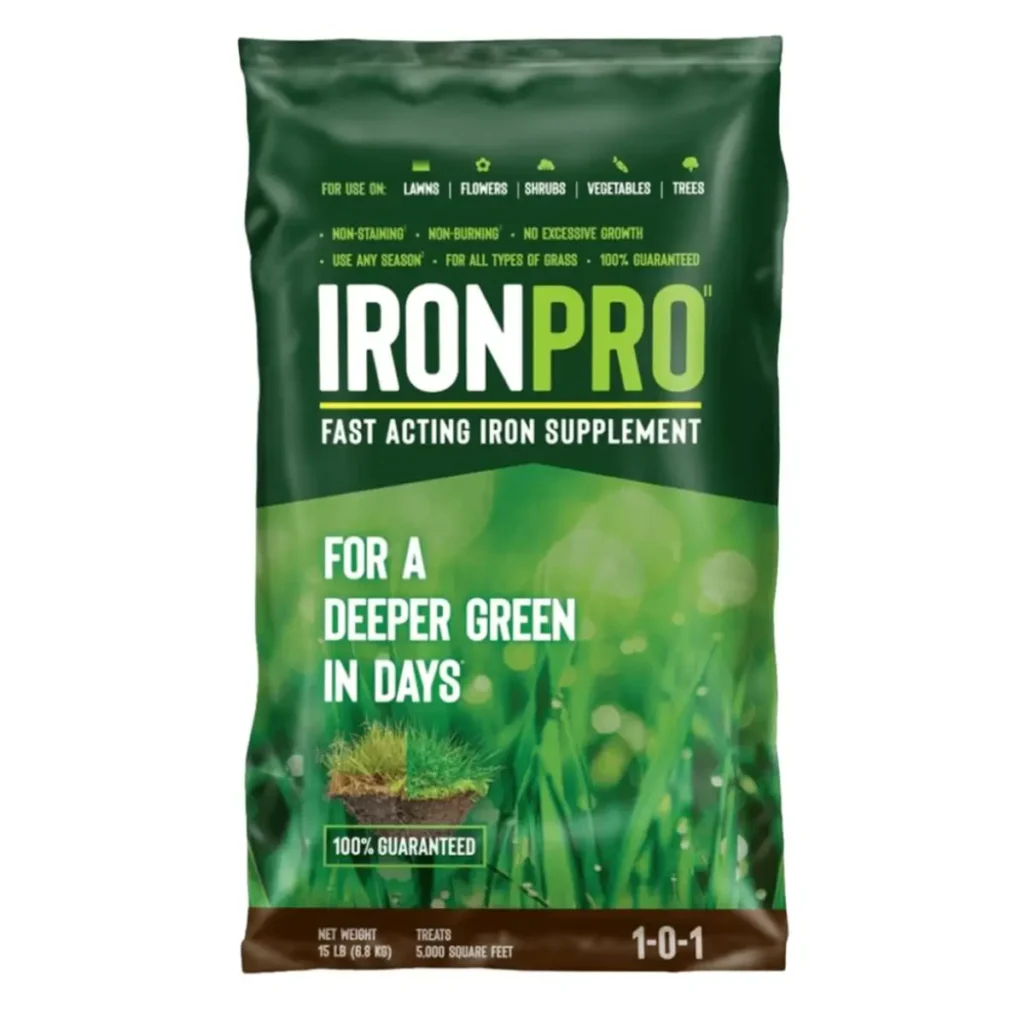
The IronPro Fast Acting Iron Supplement features a concentrated iron-rich formula and proprietary chelation technology to deliver a deeper green lawn without excessive growth for homeowners seeking vibrant turf year-round. Its patent-pending chelation converts nutrients into soluble forms for better plant uptake and soil microbe absorption.
How to Compare Your Options: Deep Watering vs. Frequent Watering
This question comes up constantly, and the answer is pretty clear: deep watering wins.
Approach
Frequency
Depth
Root Response
Deep watering
1–2x per week
1–1.5 inches per session
Roots follow moisture deeper into soil
Frequent watering
Daily or every other day
¼ inch per session
Roots stay shallow and surface-dependent
Shallow, frequent watering trains grass roots to stay near the surface — right where the soil dries out fastest. Deep watering pushes roots further down, where moisture sticks around longer even when the surface bakes.
How to Revive a Lawn After a Drought Ends
Once consistent rain returns or temperatures cool in early fall, your dormant lawn should start greening up on its own. But for areas that didn’t survive dormancy, here’s how to recover:
For isolated dead patches (less than 50% of the lawn):
Rake out the dead material
Loosen the top inch of soil
Apply a starter fertilizer
Seed heavily with a suitable Midwest grass blend
Keep the area consistently moist for 2–3 weeks until germination is established
Expect visible green-up in 10–21 days depending on conditions
For more extensive damage (more than 50% dead turf): A full renovation delivers the best results — core aeration, topdressing with compost, and heavy overseeding. Fall is the ideal time for this work in the Midwest. According to University of Wisconsin Extension, moderate temperatures and reliable soil moisture in September create near-perfect germination conditions.
Common Lawn Care Mistakes During a Drought
Watering every day in small amounts. This keeps roots shallow and makes your lawn more vulnerable, not less.
Breaking dormancy by heavy watering mid-drought. Once grass goes dormant, attempting to force it green again drains plant reserves. If conditions stay dry, the grass won’t be able to replenish what it spent — and damage worsens.
Mowing too short. Scalping the lawn during dry conditions is one of the fastest ways to kill it. Stay at 3.5–4 inches.
Fertilizing during hot, dry weather. Nitrogen without moisture causes burn and pushes growth when the plant needs to conserve energy.
Ignoring thatch. Thick thatch acts as a barrier between water and the root zone. Lawns with thatch problems experience drought stress sooner and recover more slowly.
Your Lawn After the Drought: Building Back Better
The weeks right after a drought ends are actually one of the best windows to strengthen your lawn for the long haul. Once moisture is consistent again:
Aerate compacted areas to restore soil structure
Overseed thin or bare spots with a drought-tolerant grass blend
Apply a fall fertilizer to rebuild root strength before winter
Address any thatch buildup before the next growing season
Blain’s Farm & Fleet carries the tools and products to get through every phase — from core aerators and grass seed to quality fertilizers and irrigation supplies. If you’re not sure what your lawn needs first, our associates can help point you in the right direction.
Frequently Asked Questions About Lawn Care During Drought
How often should I water my grass during a drought?
For lawns that haven’t entered dormancy, aim for 1 to 1.5 inches of water per week, delivered in one or two deep sessions rather than daily light watering. For dormant lawns, ¼ to ½ inch every two to four weeks is enough to keep the root system alive without forcing new growth.
Can brown grass come back after a drought?
Dormant grass — brown due to drought stress — will green up on its own once temperatures cool and moisture returns. Truly dead grass, where the root system has died, will not recover and needs to be reseeded. The tug test is the fastest way to tell the difference: if the grass pulls out easily, it’s dead; if it resists, it’s dormant.
What are the first signs of drought stress in grass?
The earliest signs are a dull blue-gray color change and visible footprints that stay in the lawn after you walk across it. These are your cues to water before stress advances to more serious stages.
What is the best grass for drought resistance in the Midwest?
Turf-type tall fescue is the most drought-tolerant cool-season grass for Midwest conditions, thanks to its deep root system. A blend of tall fescue and Kentucky bluegrass offers good resilience — fescue handles dry stretches while bluegrass provides density and recovery ability.
Should I fertilize my lawn during a drought?
No. Applying fertilizer during hot, dry conditions — especially high-nitrogen products — can burn the turf and push growth the plant can’t sustain without adequate moisture. Wait until early fall when conditions have stabilized, then fertilize to support root recovery.
What’s the best mowing height during a summer drought?
Raise your mowing height to 3.5–4 inches. Taller grass shades the soil, slows evaporation, and protects roots from heat. Never remove more than one-third of the blade in a single mowing, and avoid cutting when grass is already wilted.
When is the best time to water during a drought?
Early morning is best. Watering in the morning gives moisture time to soak into the soil before the heat of the day increases evaporation. Avoid watering in the afternoon or evening.
Don’t Wait for the Forecast to Make Your Move
Drought doesn’t announce itself. By the time your lawn is visibly struggling, you’re already playing catch-up. The homeowners who come through dry summers with the least damage are almost always the ones who did the work in spring — aerated their soil, mowed at the right height, and chose grasses suited to Midwest conditions.
If you’re starting from scratch after a tough summer, fall is your reset button. Cooler temperatures, reliable moisture, and recovering soil conditions make it the ideal season to overseed, aerate, and fertilize before winter sets in.
If you’re starting from scratch after a tough summer, fall is your reset button.
Stop by your local Blain’s Farm & Fleet or shop at farmandfleet.com to find everything you need — from grass seed and aerators to hoses, sprinklers, and fertilizer. Our team knows Midwest lawns and can help you figure out the right next step for where your yard is right now.
Got an old power tool battery collecting dust? Bring it to a participating Blain’s Farm & Fleet store during the CRAFTSMAN® Battery Trade-In Event and power up your toolbox with exclusive same-day savings. For a limited time between October 1 and October 27, customers can trade in a qualifying rechargeable power tool battery from any brand and receive valuable rewards while supplies last. Trade In and Get More The first