How ToArticle
How to Paint Window Frames
In just a few steps, you can make your window frames look brand new. Learn how to paint window frames with the help of Blain's Farm & Fleet.
Read More June 2, 2017 | Blain's Farm & FleetThe most effective ways to lower summer energy bills are setting your thermostat to 78°F when home, running ceiling fans counterclockwise to create a wind-chill effect, sealing air leaks with weatherstripping and caulk, adding attic insulation rated R-49 to R-60, and scheduling annual HVAC maintenance before summer starts. Used together, these measures can reduce cooling costs by 20% or more, according to the U.S. Department of Energy and Focus on Energy.
When summer settles into the Midwest, it doesn’t ease in quietly. Temperatures climb fast, humidity makes every room feel ten degrees warmer than it is, and your air conditioner runs from morning to night. Then the first July utility bill arrives—and it’s hard to know where to even start.
The good news: most of the changes that make a real difference don’t require hiring a contractor or spending a lot upfront. A combination of simple habits, targeted upgrades, and a little seasonal prep can meaningfully reduce what you spend on cooling. Blain’s Farm & Fleet carries many of the products that make these fixes possible, and store staff are well-acquainted with the specific challenges that come with Midwest summers—humidity, temperature swings, and older home construction included.
This guide breaks it all down by category, from quick no-cost changes to longer-term improvements worth making this season.
Setting your thermostat to 78°F while home is one of the single most impactful changes you can make. Each degree you raise the setpoint above 72°F saves roughly 3% on your cooling costs, according to the U.S. Department of Energy. Pair that with ceiling fans set to run counterclockwise, seal air leaks around doors and windows, and add attic insulation if your home is under-insulated. Focus on Energy, Wisconsin’s statewide energy efficiency program, recommends combining thermostat adjustments with ceiling fan use as one of the fastest ways to lower summer bills with minimal investment.
Air conditioning accounts for roughly 12% of total annual household electricity use—and that share rises sharply between June and August. In the Midwest, high humidity compounds the problem. Your AC has to remove moisture from the air, not just lower its temperature, which means longer run times and higher bills. Water heating adds another 18% of year-round energy use and is often overlooked when homeowners focus entirely on cooling.
The main categories to address are:
A central air conditioner pulls warm interior air through return vents, cools it across a refrigerant coil, and circulates conditioned air back through supply ducts. The system’s efficiency is rated by its SEER number—Seasonal Energy Efficiency Ratio. An older unit running at 10 SEER uses significantly more electricity than a newer model rated 16 SEER or higher to deliver the same cooling output.
Ceiling fans operate on a completely different principle. They don’t lower air temperature—they create a wind-chill effect that makes occupants feel 2 to 4°F cooler. That means you can raise your thermostat setpoint without sacrificing comfort, as long as fans run in rooms that are occupied.
| Strategy | Best For | DIY-Friendly? |
|---|---|---|
| Thermostat adjustment | Immediate cost reduction, no investment required | Yes |
| Ceiling fans | Occupied rooms, daytime comfort | Yes |
| AC filter replacement | All homes with central air | Yes |
| Weatherstripping | Doors and windows with visible gaps or drafts | Yes |
| Attic insulation | Homes built before 2000, single-story layouts | Moderate |
| Smart thermostat | Households with irregular schedules | Yes |
| HVAC tune-up | All central air systems, especially pre-season | No |
A programmable or smart thermostat pays for itself quickly in most homes. Look for one that supports scheduling by day of week, includes a hold or vacation mode, and is compatible with your existing HVAC system. Smart models that learn your patterns or can be adjusted remotely via a smartphone app offer more flexibility for households with varying schedules. Before purchasing, confirm the thermostat is compatible with your system type—multi-stage systems and heat pumps require specific models.
Blain’s carries a range of programmable and smart thermostats. Browse thermostats at farmandfleet.com to find options compatible with most central air systems.
Fan size should match the room. A 42–48″ fan works well for rooms up to 175 square feet; larger spaces benefit from a 52–60″ model. Look for fans with a summer/winter switch that controls blade rotation direction. In summer, blades should spin counterclockwise (when viewed from below) to push air down and create a cooling breeze. Energy Star-certified fans move air 20% more efficiently than standard models.
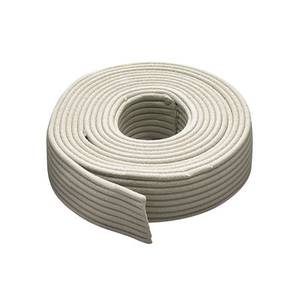
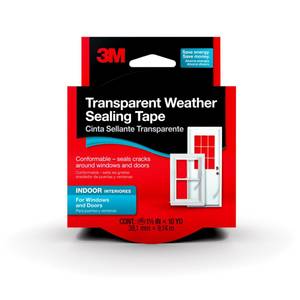
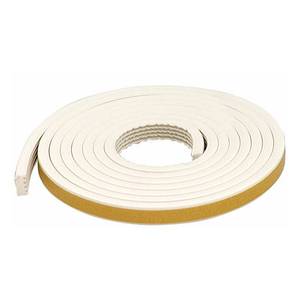
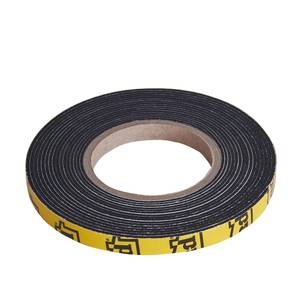
Different materials suit different applications. Foam tape works well for irregular gaps on window sashes and door frames. V-strip or tension seal is more durable for door sides and sliding windows. Door sweeps attach to the bottom of exterior doors to block drafts at floor level. When buying, check that the material is rated for exterior use and can handle repeated compression from opening and closing.
Find weatherstripping and door seals at farmandfleet.com in the home improvement section.
Energy Star recommends an attic insulation R-value of R-49 to R-60 for most Midwest climate zones. If your attic has less than 11 inches of fiberglass batts or 8 inches of cellulose, it’s likely under-insulated. Blown-in insulation is easier to add to existing attics than batts and covers irregular joist spacing more evenly. Wear proper respiratory protection and seal attic penetrations before adding new insulation.
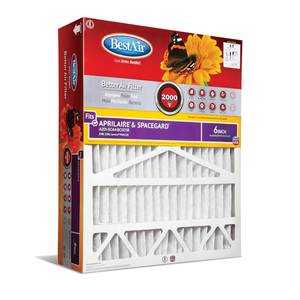
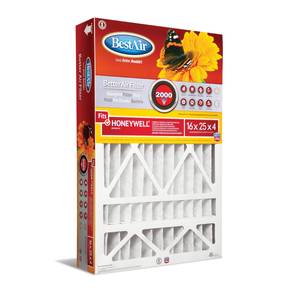
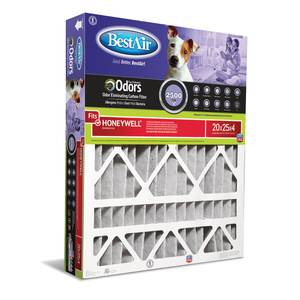
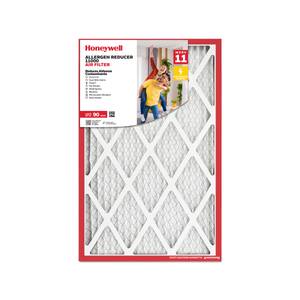
Filters are rated by MERV (Minimum Efficiency Reporting Value). A MERV 8–11 filter balances air quality with airflow—high-MERV filters (13+) trap more particles but restrict airflow in systems not designed for them. Replace standard 1-inch filters every 30–60 days during heavy summer use. Thicker 4–5-inch media filters can go longer between changes.
Browse air filters at farmandfleet.com to find the right MERV rating for your system.
Programmable thermostats are straightforward and reliable. You set a schedule once, and it runs automatically. They’re a good fit for households with consistent daily routines.
Smart thermostats cost more upfront but adapt over time, detect occupancy, and can be adjusted remotely. For households with irregular schedules—shift workers, families with after-school activities, people who travel—the additional flexibility often justifies the cost. If your utility provider offers rebates for smart thermostat installation, that further improves the value.
Choose a programmable thermostat if your schedule is predictable and you want a simple, set-it-and-forget-it solution. Choose a smart thermostat if your household’s schedule varies week to week or you want remote control and usage data.
Choose a smart thermostat if your household’s schedule varies week to week or you want remote control and usage data.
Central air is the most efficient option for cooling an entire home consistently. If your system is functioning well, optimizing how you run it (thermostat settings, filter maintenance, sealing leaks) will outperform any supplemental unit.
Window units are effective for cooling a single room. They make sense when one room runs significantly warmer than the rest of the house, or when central air isn’t available. They’re less energy-efficient per BTU than modern central systems but cost much less to install.
Portable spot coolers (like the ProAire units available at Blain’s) offer flexibility—they can be moved between rooms and don’t require permanent installation. They work best in smaller spaces and situations where a window unit isn’t practical.
A whole-house fan pulls cool outdoor air in through open windows and exhausts hot air out through the attic. It works well in the Midwest during mornings and evenings when outdoor temperatures drop below indoor levels—typically before 9 AM or after 8 PM on hot summer days. It uses significantly less electricity than central air but is ineffective on humid days when outdoor air is warmer or wetter than indoor air.
Ceiling fans are simpler, less expensive, and complement your AC rather than replacing it. They’re the better default option for most households.
Have your central air system serviced before temperatures climb in late spring. A tune-up includes cleaning the coil, checking refrigerant levels, inspecting electrical connections, and testing airflow. A system running with a dirty coil or low refrigerant works harder, runs longer, and costs more to operate. It’s also more likely to fail on the hottest day of the year when technicians are hardest to reach.
High indoor humidity is a significant comfort and efficiency issue in the Midwest. Your air conditioner removes some moisture, but in very humid conditions, a standalone dehumidifier in a basement or main living area can reduce the load on your AC and make 76°F feel as comfortable as 72°F. Target indoor relative humidity between 40–50% for comfort and to discourage mold growth. Blain’s carries portable and whole-home dehumidifiers.
Target indoor relative humidity between 40–50% for comfort and to discourage mold growth.
Air sealing delivers a strong return on a small investment. Common problem spots in Midwest homes include:
Midwest summers bring severe weather. A power outage during a heat wave creates real safety risks, particularly for households with elderly members or young children. A portable standby generator can power a window unit, refrigerator, and essential lighting during an outage. Store fuel properly with a stabilizer if the generator won’t be used regularly, and test the unit before storm season starts. Blain’s carries portable generators and transfer switch kits.
Even a partially open window during the hottest part of the day forces your AC to condition outside air continuously. Close windows before 10 AM and reopen after temperatures drop in the evening.
Ceiling fans cool people, not rooms. Running a fan in an unoccupied room wastes electricity without any benefit. Turn fans off when you leave.
Ceiling fans cool people, not rooms
A common assumption is that cranking the AC down before leaving will pre-cool the house faster. It won’t—AC systems cool at a fixed rate regardless of setpoint. Set the thermostat to 85°F when leaving for the day; a programmable thermostat can bring temperatures back to 78°F before you return.
A clogged filter restricts airflow and forces the blower motor to work harder. During heavy summer use, check the filter monthly and replace it when it’s visibly gray or dirty—even if the manufacturer recommends a longer interval.
An attic can reach 140–150°F on a hot summer day. That heat radiates down through the ceiling and raises the temperature of your living space. Homes with less than R-30 attic insulation feel this effect most acutely. Adding insulation to reach R-49 is one of the highest-impact improvements an older Midwest home can make.
Adding attic insulation to reach R-49 is one of the highest-impact improvements an older Midwest home can make.
Blain’s Farm & Fleet stores across Wisconsin, Illinois, Iowa, and neighboring states carry a broad selection of energy-saving products—from ceiling fans and programmable thermostats to weatherstripping, insulation, dehumidifiers, generators, and AC filters. Staff are familiar with the specific conditions of Midwest homes and can help you match the right product to your situation, whether you’re dealing with a drafty older farmhouse, a suburban split-level that heats unevenly, or a newer build that still runs warm on the south side.
The store’s approach is practical and direct: no upselling, no unnecessary complexity. If you’re not sure where to start, associates can walk you through what’s typically most effective for your home type and budget range. That kind of straightforward, knowledgeable help is hard to find at big-box stores—and it’s something Blain’s has built its reputation on.
The U.S. Department of Energy recommends 78°F while you’re home and awake, 82°F while you’re sleeping, and 88°F when you’re away. Each degree you raise the thermostat above 72°F saves approximately 3% on cooling costs, according to Trane. A programmable thermostat makes it easy to automate these adjustments.
Ceiling fans reduce perceived temperature by 2 to 4°F through wind-chill effect, which lets you raise your thermostat setpoint without feeling warmer. Focus on Energy notes that raising your thermostat by 2°F while running a ceiling fan can produce meaningful savings over the course of a cooling season. The key is turning fans off in unoccupied rooms, since they cool people, not air.
Energy Star recommends R-49 to R-60 for attics in most Midwest climate zones. Many homes built before 2000 fall short of this threshold. Adding blown-in insulation to reach the recommended level is one of the most cost-effective long-term investments for reducing summer cooling loads.
During heavy summer use, check your filter every 30 days and replace it when it appears gray and clogged. A dirty filter restricts airflow, reduces efficiency, and can cause the system to ice up. Homes with pets or high dust levels may need more frequent changes.
For most households, yes. A smart thermostat pays for itself relatively quickly through automated setback when the house is empty. The benefit is greatest for households with variable or irregular schedules, where manual programming is impractical. Some utility providers offer rebates for smart thermostat installation—check with your local utility before purchasing.
Air sealing combined with attic insulation typically delivers the strongest return for older homes. After that, replacing an aging AC unit with a higher-SEER model becomes worthwhile, especially if the existing unit is more than 15 years old and running below 10 SEER. For immediate, low-cost impact, thermostat adjustment and ceiling fan use produce results without any significant investment.
Yes, in humid Midwest summers, running a dehumidifier in high-moisture areas reduces the moisture load on your air conditioner. When relative humidity drops, the same temperature feels significantly cooler, allowing you to raise the thermostat setpoint. Target indoor humidity between 40–50%.
South- and west-facing windows are the biggest sources of solar heat gain during afternoon hours. Cellular shades, blackout curtains, or reflective window film can reduce heat gain through glass meaningfully. Exterior shade—awnings, pergolas, or mature trees—is more effective than interior window treatments because it blocks heat before it enters the glass.
Summer energy bills feel large because cooling is expensive—but not because it’s unavoidable. Most Midwest homes have at least two or three easy, low-cost changes that would reduce July and August bills noticeably: a thermostat adjustment, ceiling fan direction correction, and a filter replacement cover most situations.
From there, weatherstripping, attic insulation, and a pre-season HVAC tune-up address the structural reasons a home stays warm when it shouldn’t. These aren’t complex projects. They’re practical steps that compound over time.
Blain’s Farm & Fleet stocks everything you need to get started—and the staff on the floor know this territory well. If you’re not sure which upgrade makes the most sense for your home, that’s exactly the kind of question worth asking before you spend anything.