Have a successful tomato harvest with these simple tips.
Growing tomatoes can be a rewarding experience, offering you the joy of harvesting your own produce right from your backyard. Whether you’re a seasoned gardener or just starting out, there’s always something new to learn about nurturing these versatile fruits.
If you’ve ever felt overwhelmed by all the gardening advice out there, you’re not alone. That’s why Blain’s Farm & Fleet is here to offer you 10 easy tips for tomato plant growing and successful harvesting.
1. Give them room
We all need a little space to ourselves sometimes. Tomatoes do, too. So make sure you don’t crowd your tomato seedlings in. Give them a little room to let them breathe and grow.
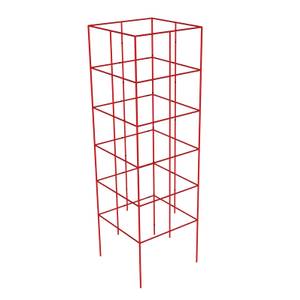
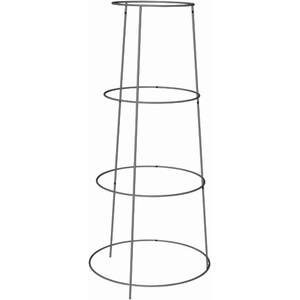
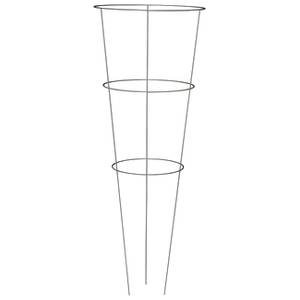
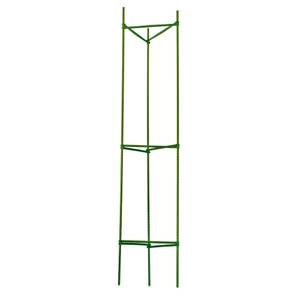
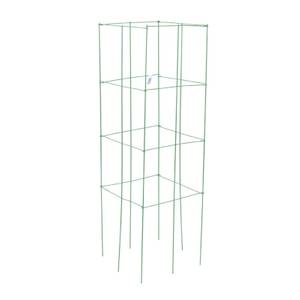
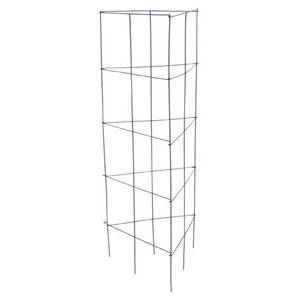
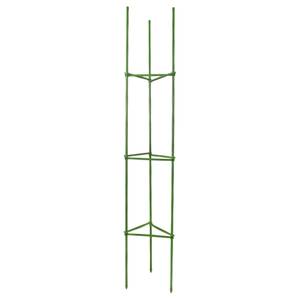
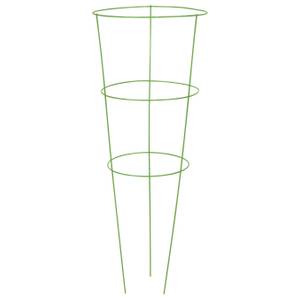
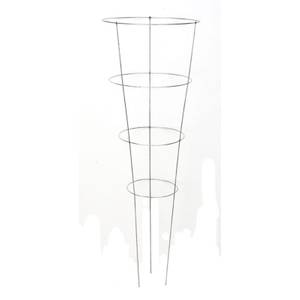
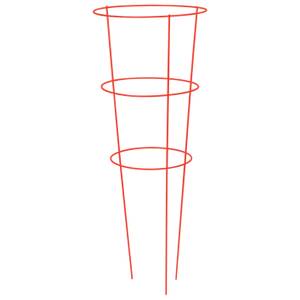
A tomato cage is a great way to keep your growing tomatoes separated, and it allows them to branch out to their full potential.
2. Make sure they get enough sunlight
Tomato plants need at least eight hours of strong sunlight each day. So make sure that when you plot out where you want your tomato garden to be, you choose an area where they will be able to take full advantage of as much sunlight as possible. Keep them away from shady areas like trees and the sides of houses.
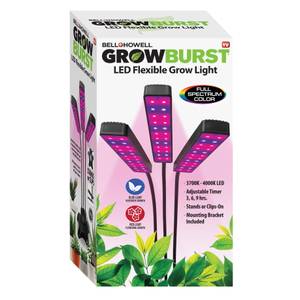
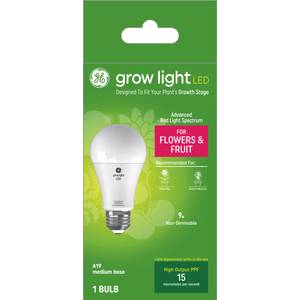
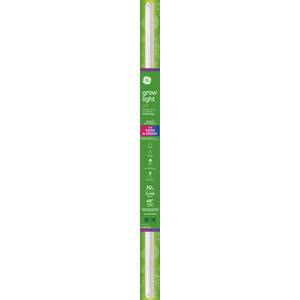
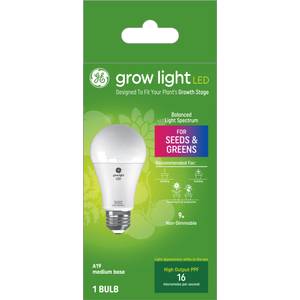
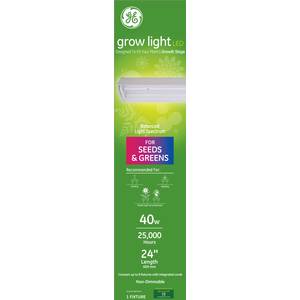
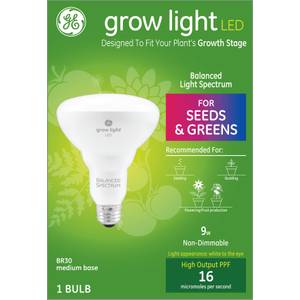
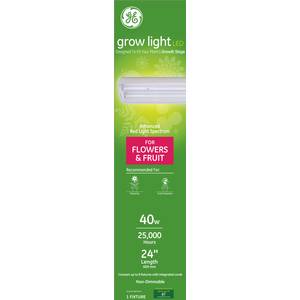
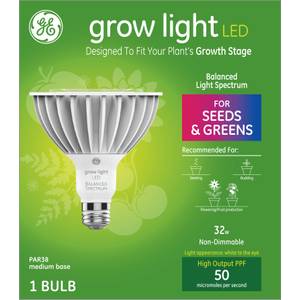
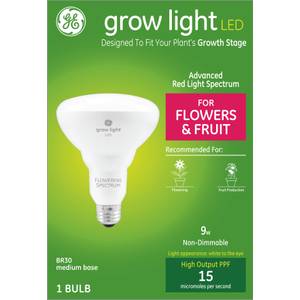
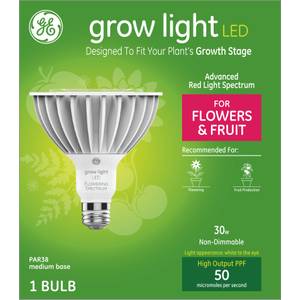
If you’re growing your tomatoes inside, a grow light is a great way to give your plants the beneficial light they need.
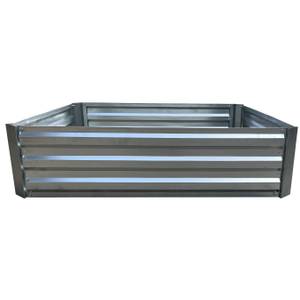
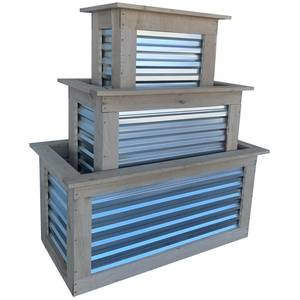
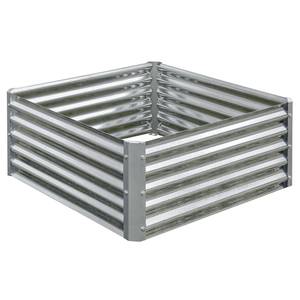
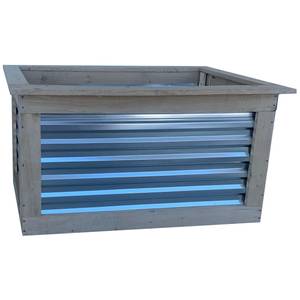
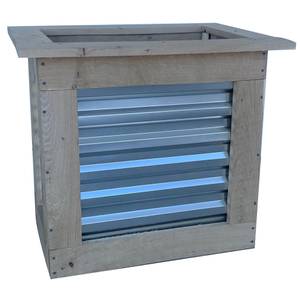
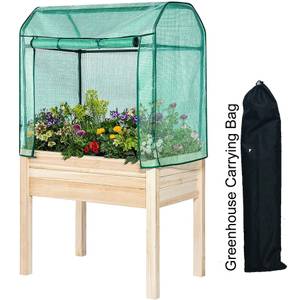
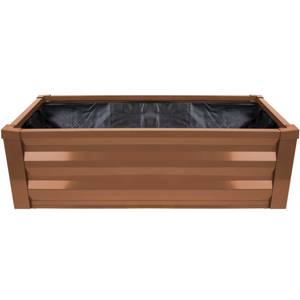
3. Use a raised garden bed
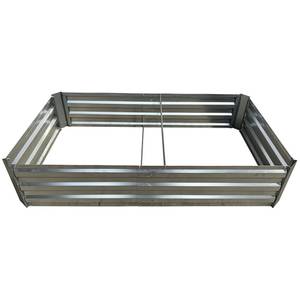
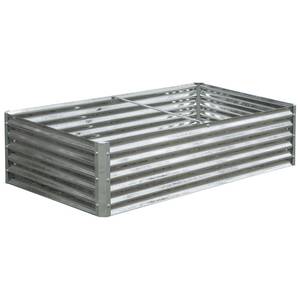
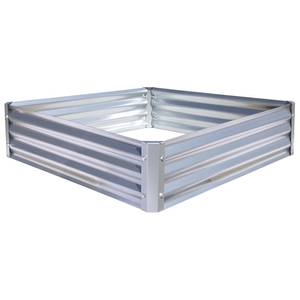
If your soil is soggy, plant your tomatoes higher up by using a raised garden bed. They’ll be able to soak up a more even amount of water this way.
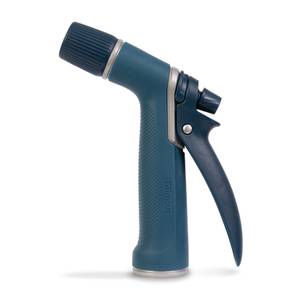
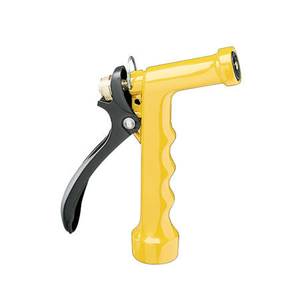
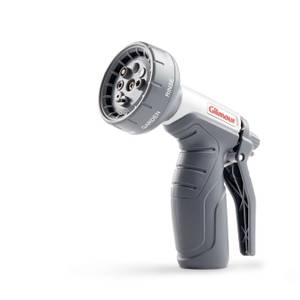
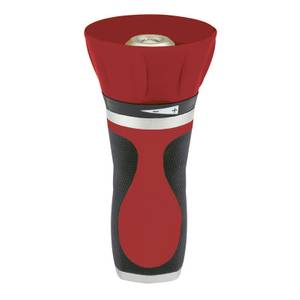
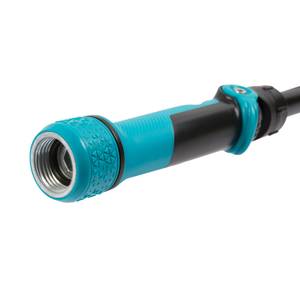
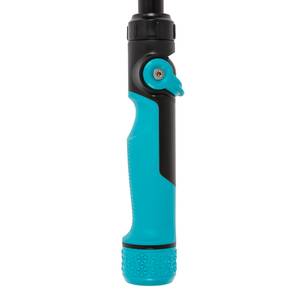
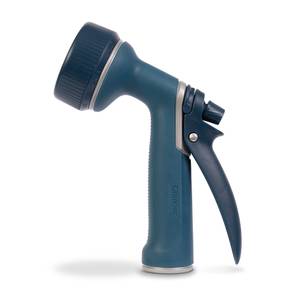
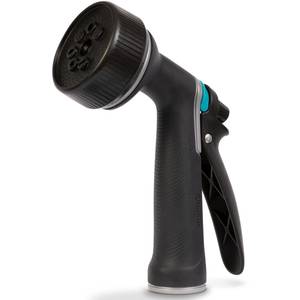
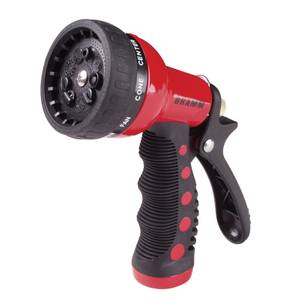
4. Use a spray nozzle for watering
When watering your tomatoes, make sure that you only water the soil and not the leaves of the plants. Don’t use an overhead water sprinkler on tomatoes. Airborne spores can infect your tomato plants if they come into contact with the wet leaves.
A spray nozzle allows you to get the right kind of water pressure that your tomatoes need.
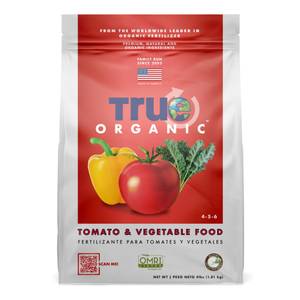
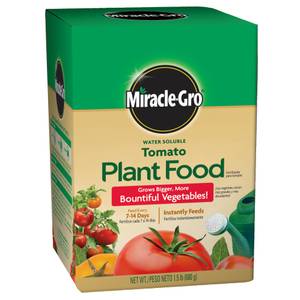
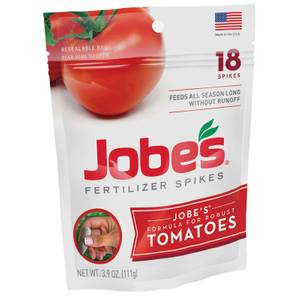
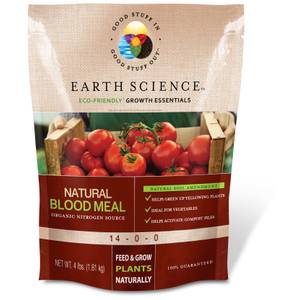
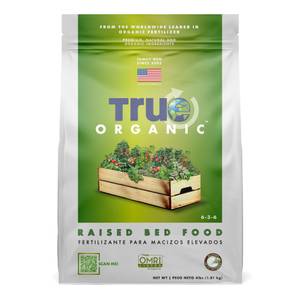
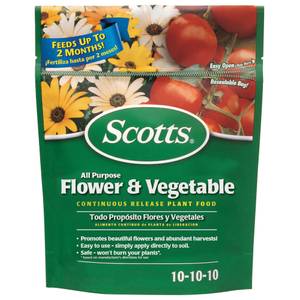
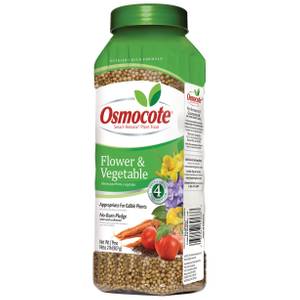
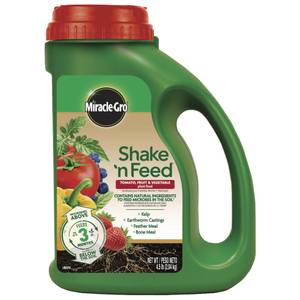
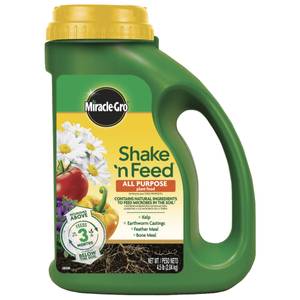
5. Use a fertilizer or plant food
Use a vegetable- or tomato-specific fertilizer or plant food in your soil. This will give your plants a steady dose of the nutrients they need over time. And in return, you’ll get tomatoes that are bigger and tastier.
6. Prune the plants
Pruning extra chutes off your tomato plants can help their fruit grow more efficiently. Be sure to trim those little suckers that grow right where the branch and the stem meet.
If left on the plant, these non-fruit-producing branches will continue to absorb plant energy away from the growing fruit.
7. Keep an eye on them
Keep an eye out for any problems with your tomatoes, such as cracking and splitting due to accelerated growth caused by increased rainfall or sunlight. Rotting at the bottom of your tomatoes is caused by inconsistent moisture.
Tomatoes ripen from the bottom up. So once you start seeing a solid red or yellow color on your tomatoes, you are ready to harvest.
8. Grow other plants near them
Everybody can use a friend, so consider growing a companion plant alongside your tomatoes for a beneficial relationship.
Chives, onions, garlic, asparagus, borage, and marigolds are great companion plants for your tomatoes. This is because they help each other keep away nasty pests. Check out our blog on companion vegetable gardening to learn more.
9. Plant them deep in the ground
Make sure you plant your tomato plants as deep as possible in the ground. You should plant them so a good portion of their stem is covered. The leaves at the bottom of the plant should sit just above the soil when planted.
Planting deeply provides great benefits. They will start growing roots from their stem, so they’ll create a stronger root system. This, in turn, will make the plant much sturdier.
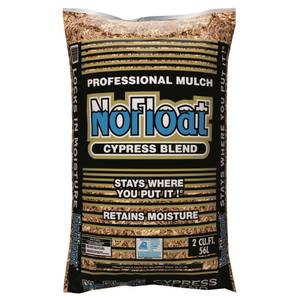
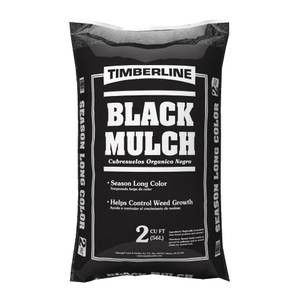
10. Add some mulch
On hot, summer days, water in the soil can evaporate quickly. This could lead to your tomatoes being underwatered.
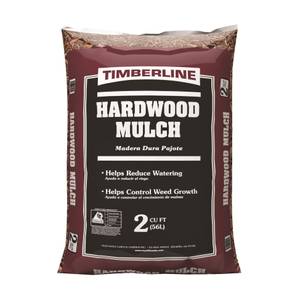
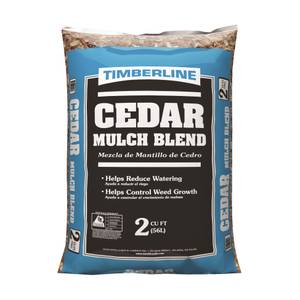
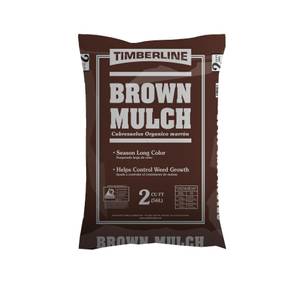
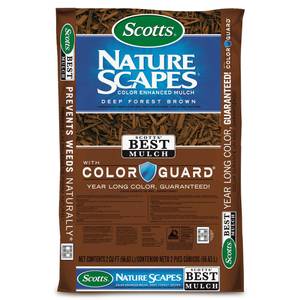
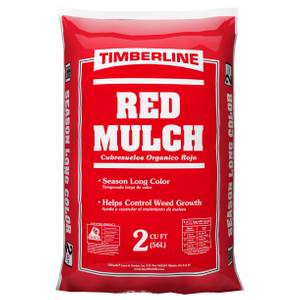
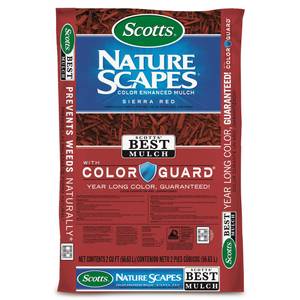
To keep moisture in the soil, add some mulch on top of it. You can use a variety of different mulches, including shredded bark, grass clippings, and composted leaves.
A soaker hose can also keep the soil consistently moisturized and watered deeply.
For more tips like these, check out our other Gardening articles.