ArticleHow To
Delicious Homemade Dill Pickle Recipe
Use fresh cucumbers from your garden to make crisp dill pickles! Follow this easy dill pickle recipe to enjoy homemade pickles all year.
Read More July 9, 2025 | Blain's Farm & FleetSelecting the appropriate jar for the job is the most critical part of the canning process. In order to make the right selection, you must understand what your needs are and select accordingly. So how do you know what your needs are? Blain’s Farm & Fleet is here to answer that question.
Your needs will vary based upon what type of food you are canning and how you plan on storing it. If you plan on storing your canned goods on shelves, you’re going to want jars with shouldered sides. If you plan on keeping your canned food in the freezer, you’ll want jars with straight or tapered sides.
On the other hand, the type of food you are canning will affect the jar mouth size that you need. Regular mouth jars work best for pourable foods such as jams, jellies, pie fillings, and salsas, while wide mouth jars work best with whole fruits and vegetables because it allows you to fit more items into the jar.
Use the guide below to help you find the jar shape and mouth opening that best fits your needs. Be sure to always refer to your recipe in order to select the jar size that you need (as this will vary based upon the number of servings your recipe calls for).
A regular mouth canning jar is tapered at both the top and bottom and is narrower at the mouth than the rest of the jar. The tapered neck of these jars helps to ensure that certain foods stay beneath the pickling liquid. It also allows for more adequate pouring.
Regular mouth jars should not be used for freezing, as the tapered lids don’t provide adequate space for the liquids to expand as it freezes.
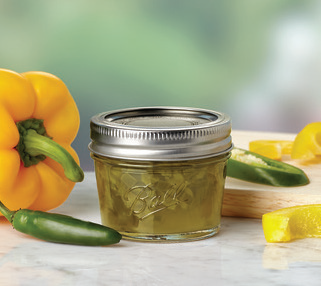
These four ounce regular mouth jelly jars are ideal for jam, jellies, spices, baby food, and small dipping sauces.
Regular mouth jelly jars are slightly smaller than wide mouth jelly jars, which makes them the perfect choice for small helpings of all your favorite canning recipes.
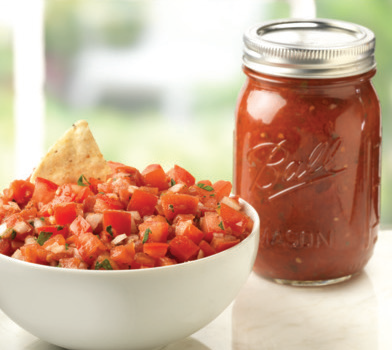
Regular Mouth pint jars are best used for salsas, relish, and pie fillings.
These jars are perfect for foods that need to be poured. The tapered opening of regular mouth pint jars make pouring the food contents into bowls much simpler. They’re also better for smaller cut fruits and vegetables, as some larger foods may not fit through the opening of a pint size regular mouth jar.
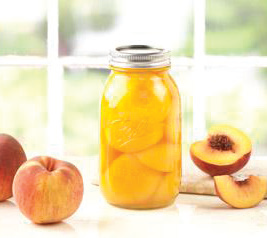
Regular mouth 32 ounce quart jars are great for sliced fruits, vegetables, pickles, and tomato sauces.
These large jars can be used when canning most fruits and vegetables that will fit through the smaller, regular mouth opening. They’re good for smaller vegetables like carrots or asparagus or larger batches of salsa as well.
Wide mouth mason jars are the same width from the lid to the bottom of the jar. These jars do not taper at the top, leaving an opening big enough for larger fruits and vegetables to fit easily. The large opening also makes it easier to remove vegetables after they have finished pickling.
In comparison to regular mouth jars, wide mouth canning jars provide enough space for liquids to expand if you plan on freezing your canned foods.
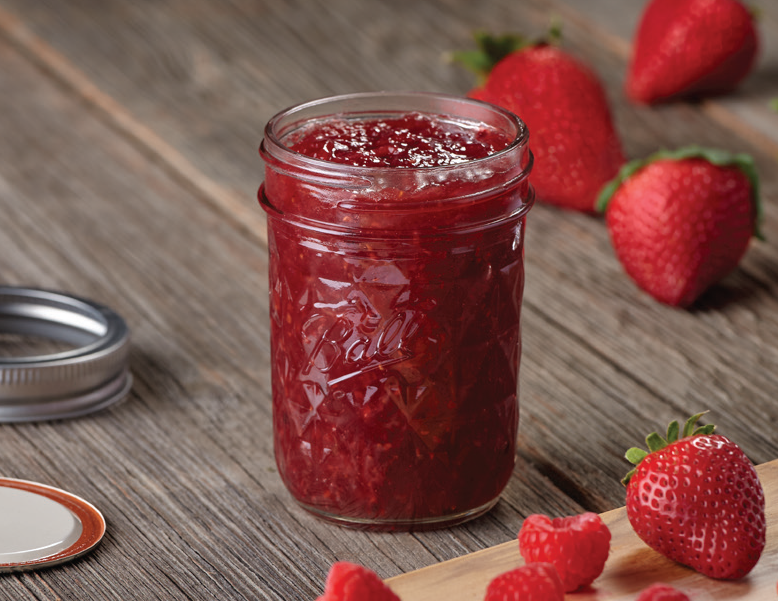
Eight ounce wide mouth jelly jars are ideal for syrups, sauces, and candles.
These half pint jars are great for small batches of jellies, jams, and preserves. The wide mouth of these jars also may allow smaller cut vegetables to fit. The small size also makes them perfect for gift giving.
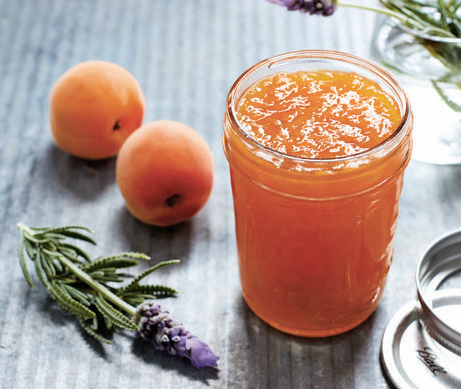
Wide mouth pint jars are most suitable for salsa, relish, and fruit butters.
Pint sized canning jars are great for testing new recipes or smaller batches, and perfect for home canning recipes! They are ideal jars for preserving recipes.
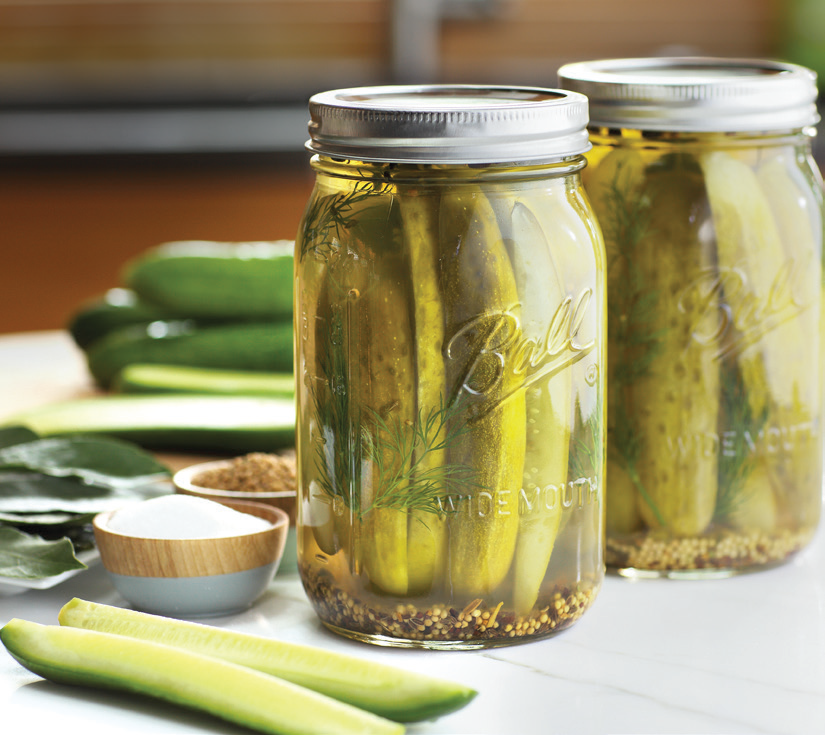
Wide mouth quart jars work best for whole or halved fruits and vegetables.
The wide mouth is more versatile than regular mouth jars, as it has the ability to fit larger fruits and vegetables. It’s a great option for larger pickles or chunks of fruit.
Now that you know what kind of jars to use for each kind of food, it’s time to learn what canning methods to use and canning must-haves. Be sure to check out all the canning blogs from Blain’s for more additional tips and tricks.