

Article
5 Gardening Tips to Get Ready for Spring
When winter's finally over, it'll be time to get your garden ready for spring. Use these five gardening tips from Blain's Farm & Fleet.
Read More March 2, 2022 | Blain's Farm & FleetImagine having a vibrant selection of flowers at your fingertips, ready to bring color and life into your home at any moment. That dream can easily become your reality by planting a cutting garden.
You don’t need to be a professional or have acres of land to create a stunning cutting garden. All it takes is a little bit of planning, some care, and the joy of watching your garden grow.
So whether you’re a seasoned gardener or someone who’s just starting to explore the world of gardening, this simple guide from Blain’s Farm & Fleet will help ensure your cutting garden flourishes so you can create beautiful bouquets for your home.
The location of your cutting garden is critical. It should get ample sunlight, have good drainage, and ideally be close to a water source. Remember, accessibility is key. You’ll be trudging back and forth with armfuls of flowers, so keep it convenient.
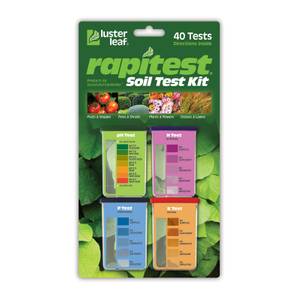
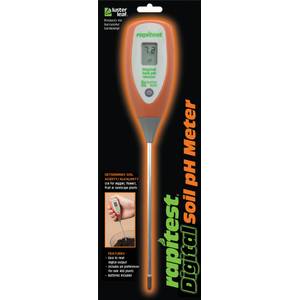
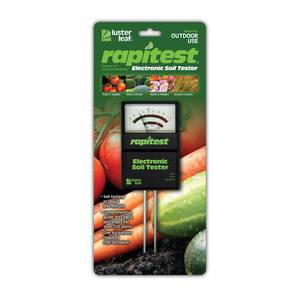
Soil is the foundation of a healthy cutting garden. Before planting, ensure your soil is rich, moist, and has an appropriate pH level for your chosen flowers.
A simple DIY soil test can determine this. Amend it with the right organic matter, such as compost. And remember to keep it weeded.
Your cutting garden’s layout not only influences aesthetics but also practicality. Wide rows and easily-navigable paths between flower beds make access for weeding and cutting a breeze.
Arrange your plants in a logical manner. Keep the tallest varieties in the back, the shorter ones in the middle, and your low growers in the front. Think in terms of bloom times, and group similar bloomers together. This way, you won’t end up with a hodgepodge of flowers that never quite fit together.
Every bouquet is a story, and the flowers you choose are its characters. Opt for varieties of flowers that not only look good but also last.
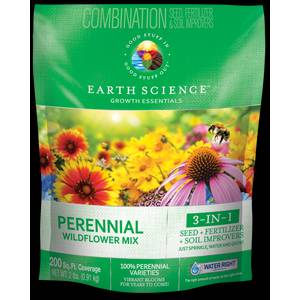
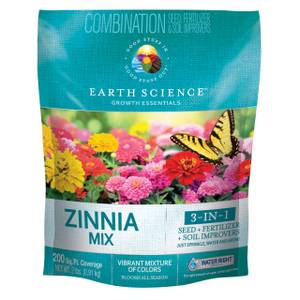
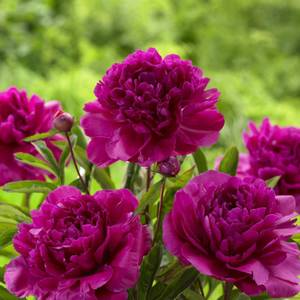
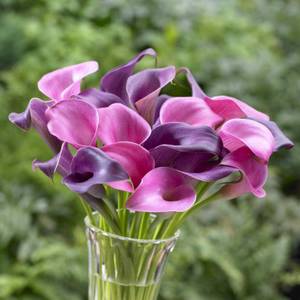
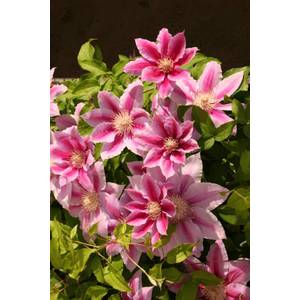
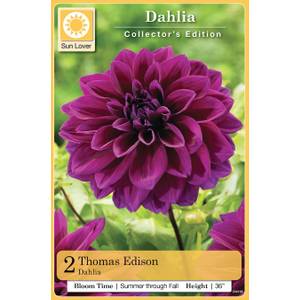
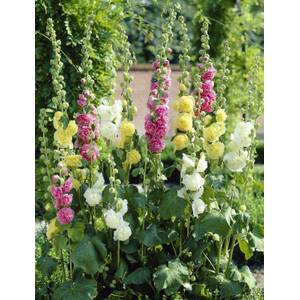
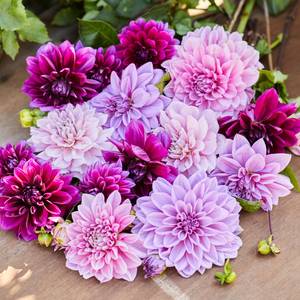
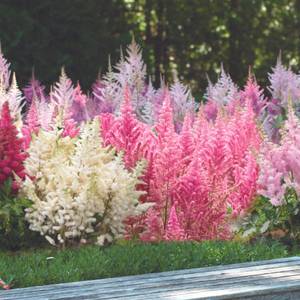
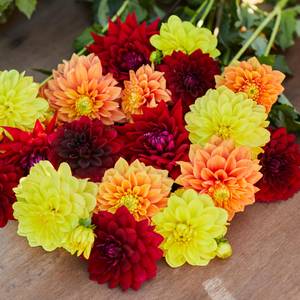
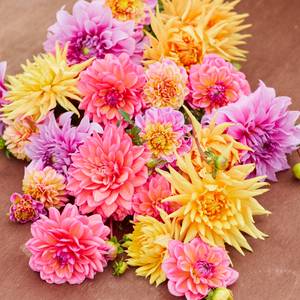
We recommend incorporating both perennials and annuals to ensure that your garden remains vibrant from early spring to late fall. Perennials like roses, dahlias, and phlox provide structure and continuity, while annuals such as zinnias, cosmos, and snapdragons provide bursts of color and variety.
And don’t just limit yourself to traditional cut flowers. Flowering shrubs and aromatic herbs can act as filler plants and add unique textures and fragrances to your bouquets. Lavender, for instance, not only smells divine but also adds a delicate touch to arrangements.
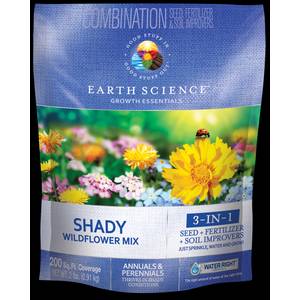
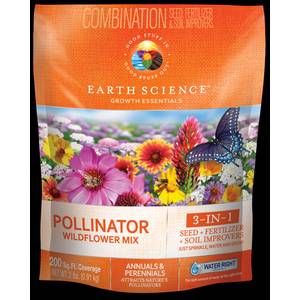
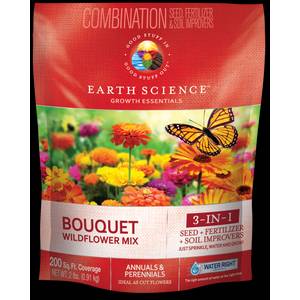
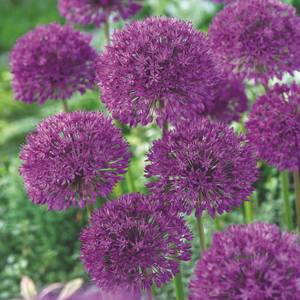
Once you plant your flower seeds or seedlings, your job doesn’t end there. You need to fertilize, water, and protect your flowers.
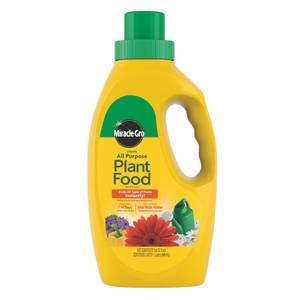
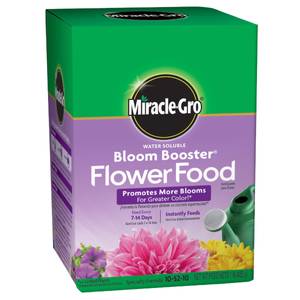
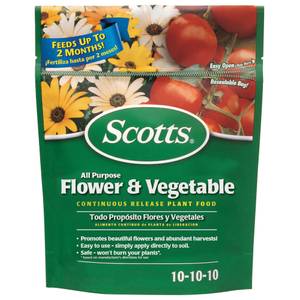
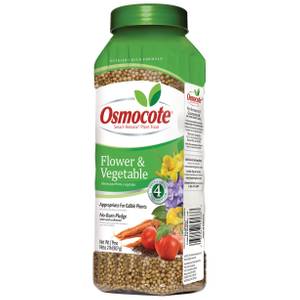
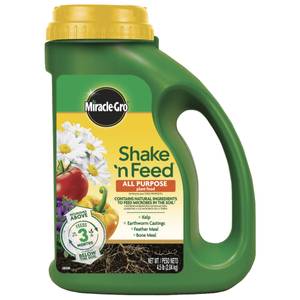
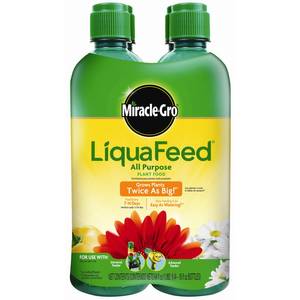
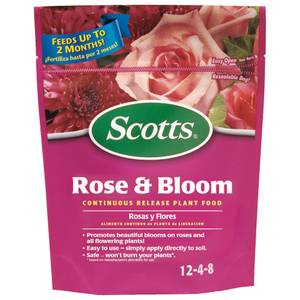
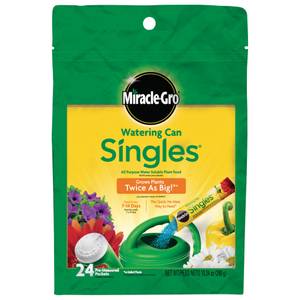
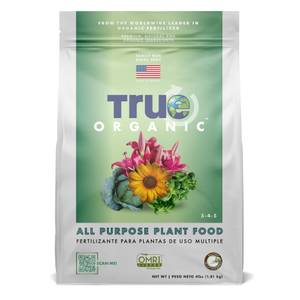
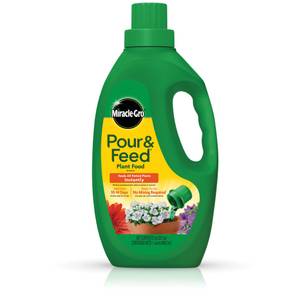
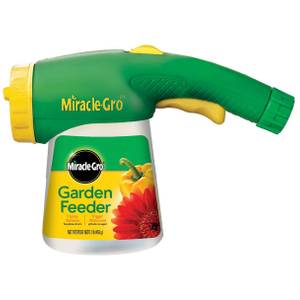
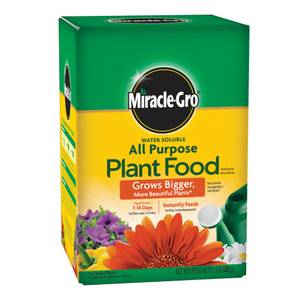
A healthy garden is a prolific garden. Incorporate compost or leaf mold into your soil to boost its fertility. Apply a balanced, slow-acting, organic fertilizer at the beginning of the season to support robust growth.
Be mindful of your local weather conditions. Some plants may require additional protection from extreme heat or cold. Installing a simple irrigation system can help maintain consistent moisture levels, especially during dry spells.
Regularly removing spent blooms, known as deadheading, encourages plants to produce more flowers. Keep your garden beds free of debris to minimize disease and pest problems.
Now, for the best part—creating your bouquet! It’s important that you learn the best times to cut your flowers and the best ways to cut them. Florists don’t just do a diagonal slice for show. It actually extends the life of the flowers, allowing them to drink more water.
When cutting flowers, do so in the early morning when they’re most hydrated. Place them immediately in a bucket of water with a preservative to prolong their freshness. You can make your own preservative at home using one tablespoon of sugar and 1/4 teaspoon of bleach for every four cups of warm water.
The life of a flower in a vase is both short and sweet. Make it the best it can be. Arrange with care and consideration, and change the water daily.
Also remove any leaves that will sit below the waterline in your vase. This helps prevent bacterial growth and keeps your cut flowers looking fresh longer.
Creating a cutting garden is a rewarding endeavor that brings beauty and life to both your outdoor and indoor spaces. By following this guide, you’re well on your way to enjoying a season filled with gorgeous blooms that you’ve nurtured from the ground up.
Remember, gardening is a journey of discovery and growth—both for the plants and the gardener. So grab your tools, let creativity flourish, and start building the cutting garden of your dreams today.
For more how-to guides like this one, check out our other Gardening articles.