How ToArticle
How To Fix Low Water Pressure
Low water pressure in your faucet can be a real pain. But the most common fix is easy. Learn how to fix low water pressure in your faucet.
Read More July 10, 2015 | Blain's Farm & FleetDry air in your home can cause all sorts of problems. Dry skin, eyes, sinuses and throat, dehydration, nosebleeds, chapped lips, the list goes on. It can even put you at a higher risk for catching a cold. This can be an especially big problem if you have babies or small children in the house.
Dry air also makes static electricity build up easier. This can harm your electronic devices, especially computers. It can also damage your furniture and give your home poor air quality.
To make your house much more healthy and comfortable, you can use a humidifier to add moisture to your air. Humidifiers come in a few different styles and sizes, so you’ll want to consider what you’ll need for your home. Learn how to choose the best one for your space with this guide from Blain’s Farm & Fleet.
There are two main types of humidifiers: ones that produce cool mist and ones that produce warm mist. Each type has its own advantages.
Just as the name implies, this type of humidifier produces a cool or room-temperature mist. Cool-mist humidifiers are the most common, and in many cases, they are the best option. There are three different types of cool-mist humidifiers: evaporative, ultrasonic, and impeller.
Evaporative humidifiers are one of the most common models. They have a wicking filter that absorbs water, which a fan then blows air through to create a cool mist.
Ultrasonic humidifiers use vibrations to turn water into a mist. Because they don’t have a fan, they’re one of the quietest types of humidifiers you can find. You can also find them in warm-mist options.
Impeller humidifiers use a spinning disk to push water through a diffuser, which creates a cool mist. However, they can be a bit on the noisy side.
The main downside to cool-mist humidifiers is they tend to be louder than warm-mist ones because they have more moving parts.
Warm-mist humidifiers (also known as steam humidifiers) use a heating element to warm water and turn it into a mist. The result is a warm mist, rather than a cool or room-temperature one produced by other types of humidifiers.
Although cool-mist humidifiers are ideal in many circumstances, there are also some advantages to purchasing a warm-mist humidifier instead.
Keep in mind that a warm mist will cause your nasal passages to swell. So do not get this type if your goal is to relieve colds. You should also stay away from warm-mist humidifiers if you have young kids or pets. These models can get quite warm, and if they get knocked over, humans and animals could get burned.
Warm-mist humidifiers will also use more electricity than cold-mist ones, as they need it to power their heating element.
If you like the advantages of both the cool-mist and warm-mist models, try to find a combination humidifier, which has both cool and warm settings.
One of the top things to consider when choosing a humidifier is size. You’ll need to think about the size of the room you’ll be using it in and the size of the humidifier itself.
Each type of humidifier is intended for a different room size. This is usually marked on the packaging, so make sure you determine the square footage of the room you want to use it in before purchasing one.
These humidifiers are ideal for rooms of 500 square feet or less. They typically output anywhere from half a gallon to four gallons of water per day. The most common types of humidifiers for this size room are compact or tabletop versions.
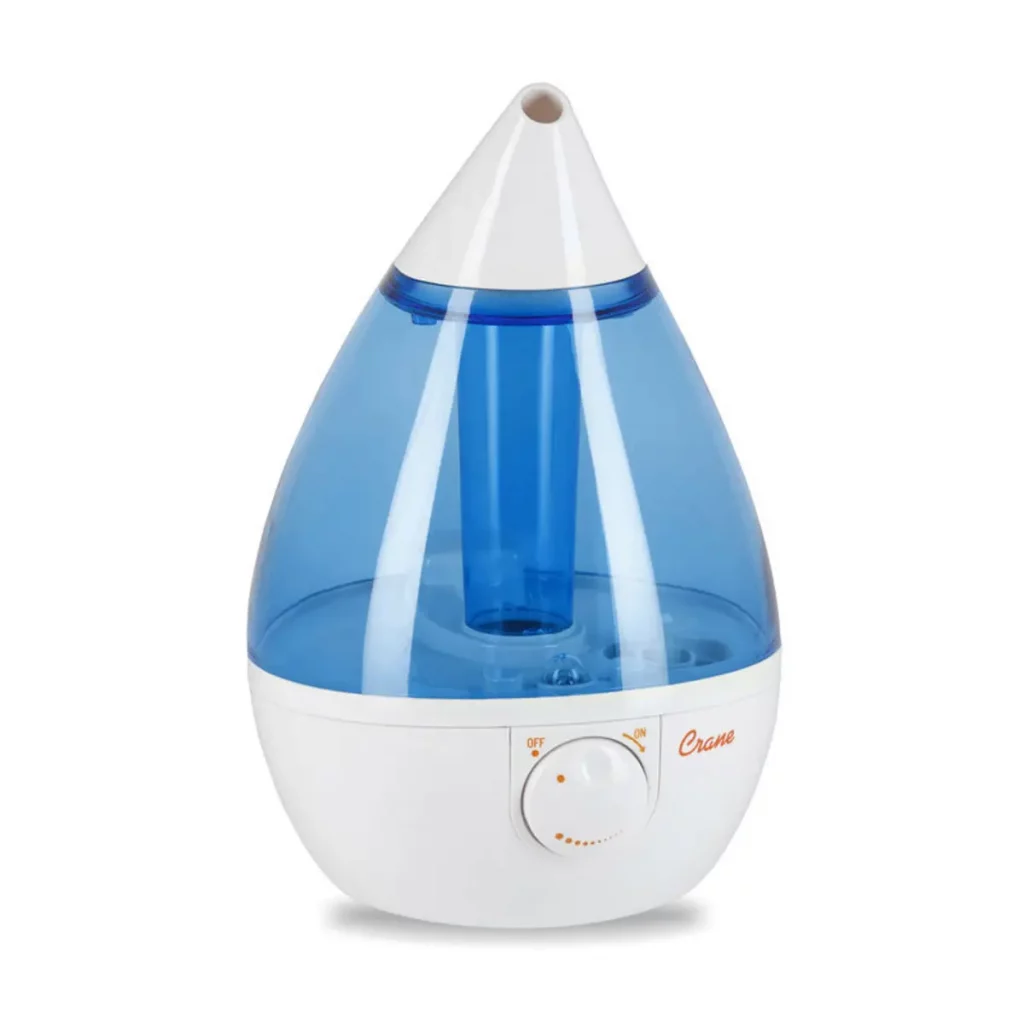
These humidifiers are ideal for rooms 500 to 1,000 square feet. They typically output between two and eight gallons of water per day. The most common types of humidifiers for this size room are tower or small-console versions.
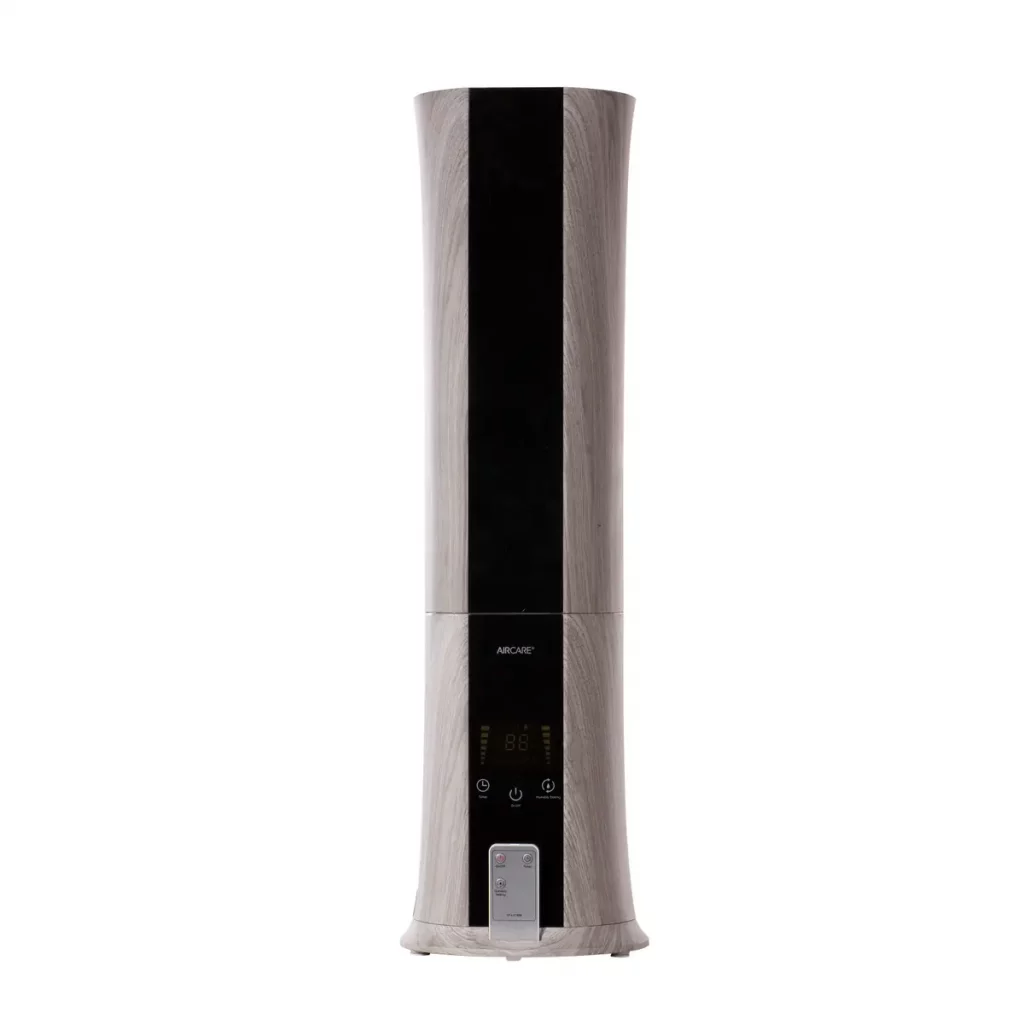
These humidifiers are ideal for rooms larger than 1,000 square feet. They typically output over nine gallons of water per day. The most common types of humidifiers for multiple rooms are large-console or whole-house versions.
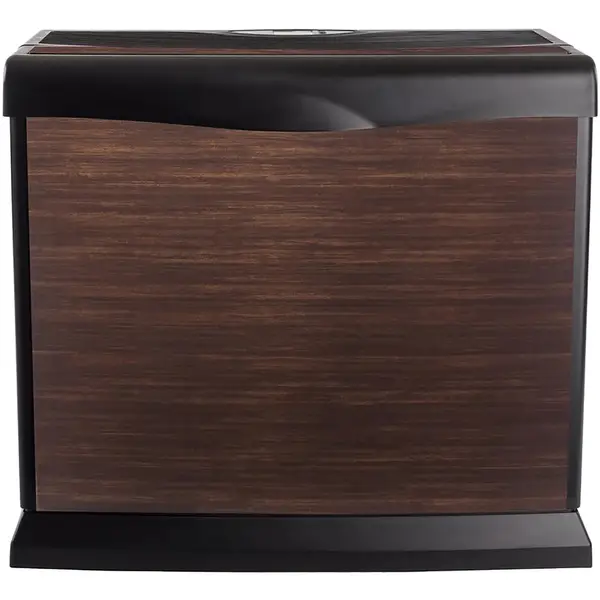
When choosing a humidifier, it’s important that you don’t get one that’s too large for your space. If it’s too big, it will produce excess moisture, leading to dust mites, mold, and condensation buildup on your windows.
Also consider the portability of the humidifier. Are you going to use it in the same room all the time, or do you want to move it from room to room? Some models can be quite large and heavy, especially when they’re filled with water. So if you do plan on moving the humidifier around regularly, make sure you get one that will be easily portable.
Some humidifiers are easier to clean than others. This is something to consider when choosing the best one for your home.
Be aware that no matter what humidifier you choose, all types require at least basic cleaning and care. For most types, you’ll have to drain, rinse, and dry the humidifier frequently to reduce bacterial growth.
Some humidifiers come with filters, which can be nice because they’ll control bacteria and give you better air quality. However, in order for them to effectively do this, you’ll need to change the filters regularly. Make sure the filters are easy to find and replace before purchasing the humidifier.
Some humidifiers even come with dishwasher-safe water reservoirs. This can help make cleaning your humidifier extra simple.
Many humidifiers come with other features, which aren’t absolutely necessary, but can be really nice to have. Consider some of these features as you search for the perfect humidifier for your home.
For more buying guides like this one, check out our Appliances Blog.