Article
10 Benefits of Using a Humidifier
You can use a humidifier to restore moisture in your air, and add comfort to your home. Learn about the many benefits humidifiers offer.
Read More January 26, 2024 | Blain's Farm & FleetGenerators are a great thing to have when you need power. They come in handy during things like power outages or in situations where you just can’t easily access an electrical power grid.
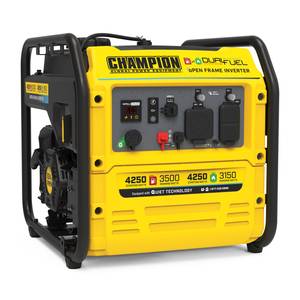
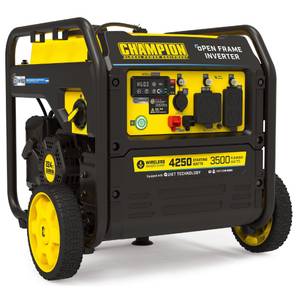
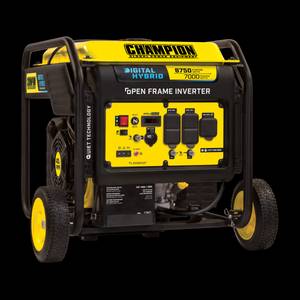
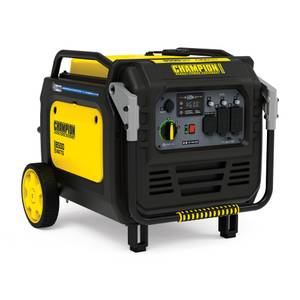
There are many different types of generators to choose from. Two of the most common kinds are inverter generators and traditional generators. While both work to supply you with power, they do have some differences.
If you’re not sure which one to get, Blain’s Farm & Fleet is here to help you learn about the difference between these two generator types.
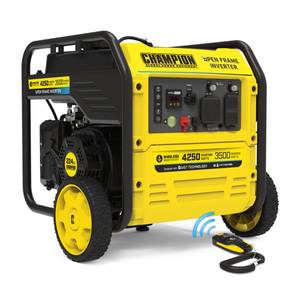
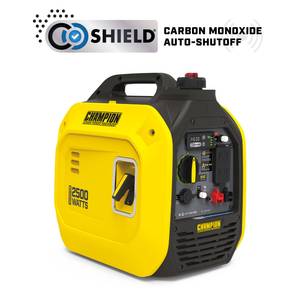
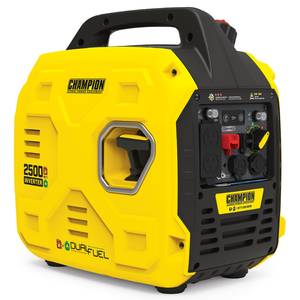
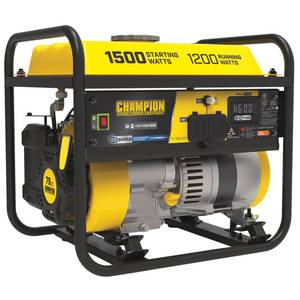
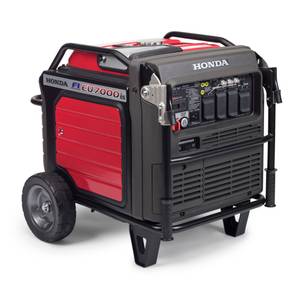
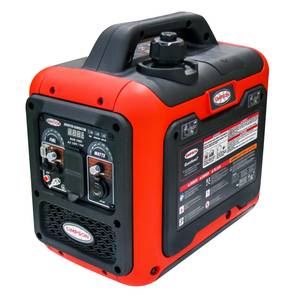
Inverter generators use advanced technology to convert alternating current (AC) power into direct current (DC), and then invert it back into AC power. This causes them to use less fuel and create a cleaner, steadier flow of power compared to a traditional generator.
This technology also allows inverter generators to use idle control. This means that the generator will slow down or speed up depending on how much energy you’re using.
Because of the clean, stable electrical output they produce, inverter generators are the best option to power sensitive electronics, such as your smartphone or laptop.
They’re also great to have as your emergency backup for powering a few things around the house and for common recreational activities like camping and boating.
They produce around 1,200 to 4,000 watts.
Because inverter generators can alter their speeds, they tend to be quieter than traditional generators. For example, if you’re only powering one thing, such as a TV, the inverter generator will slow down, and as a result, become quieter.
This makes them a great choice for situations where you’ll be around a lot of other people and don’t want to bother them with the noise of a traditional generator.
Another advantage of inverter generators is their size. They are typically smaller and more lightweight than regular generators, so they’re easier to carry and store. Many people prefer them for times when they have limited space, such as during a camping trip.
They also often come with built-in handles, which makes it very easy to carry them around.
Because of the more advanced technology they use, inverter generators are usually more expensive than traditional ones. However, because they can adjust their engine speed, they won’t need to be refueled as often. They also are more likely to have a longer engine life for this reason.

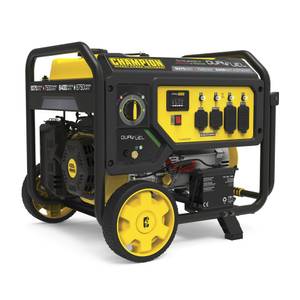
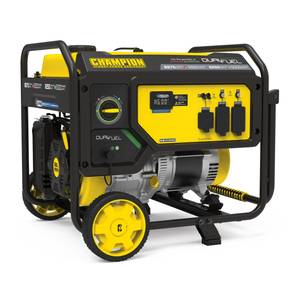
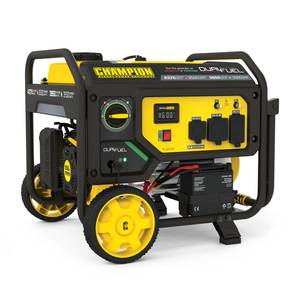
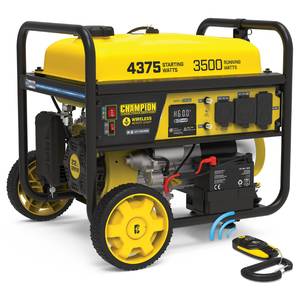
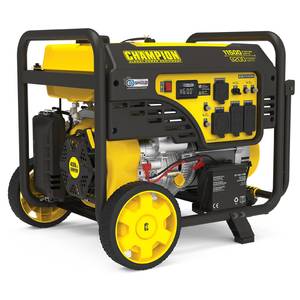
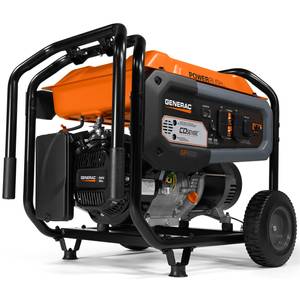
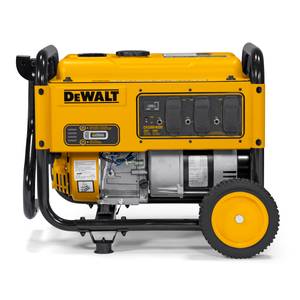
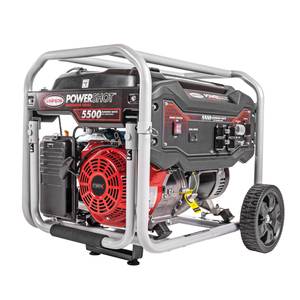
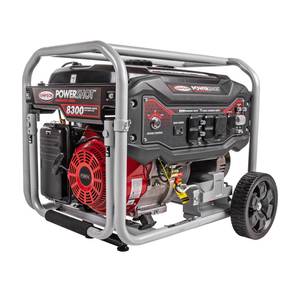
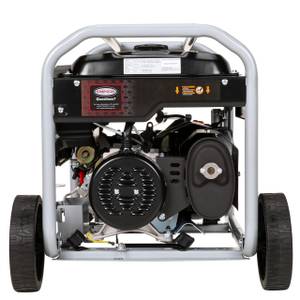
Traditional generators produce electricity by turning mechanical energy into electrical energy. This means they use more fuel (which is usually either gasoline or propane) than an inverter generator would.
Whether you’re using it to power only one thing or many things at once, it will run at the same speed regardless. Because of this, a traditional generator won’t save energy if you’re only using it for one thing like an inverter will.
One of the biggest strengths of a traditional generator is that it’s more powerful and will typically run longer than an inverter generator.
Traditional generators are the best option for situations that require large amounts of power and don’t necessarily need to be quiet, such as for job sites with lots of tools or to power your entire house.
They come in engine sizes of up to 10,000 watts.
Because traditional generators cannot adjust their power levels, they tend to be louder than inverter generators. If you’re going to be using your generator in areas with lots of people, such as at a campsite, a traditional one may not be the best option, as the sound could bother those around you.
Another downside to traditional generators is that they’re harder to transport than inverter ones because they tend to be bulkier and heavier. They’re typically meant to be stationary.
Some people prefer traditional generators because they usually have a lower cost compared to inverters. And they are often the more affordable option when you need to use a large amount of power.
If you like certain features from both the inverter generators and the traditional generators, there is also an option for you to pair two inverter generators together. This way, you’ll receive the higher power you’d get from a regular generator, but with the quiet, more portable features of an inverter. If you choose to do this, make sure you buy inverter generators that are capable of pairing, as it does not work with all of them.
When it comes to choosing between an inverter generator and a traditional one, there are many things to consider. Ultimately, the biggest thing to keep in mind is the total wattage you will need. It’s best to purchase a generator that has slightly more wattage than you think you’ll need.
For more information on generators and other power equipment, check out our other Outdoor Power Equipment articles.