Noticed your lawn looking a little under the weather lately? Maybe it’s not as lush or green as you’d like, or perhaps water just pools on top instead of soaking in. Well, don’t worry! The solution might be simpler than you think—and it’s called aeration.
Think of aeration as giving your lawn a much-needed breath of fresh air. And the best part? You can do it yourself with this guide from Blain’s Farm & Fleet. So, grab your gardening gloves, and let’s get ready to transform your lawn into the lush, vibrant outdoor space you’ve always dreamed of.
What Is Lawn Aeration?
At its core, aeration is a process designed to combat soil compaction. It allows your lawn to absorb essential nutrients, air, and water more efficiently.
This procedure involves penetrating the soil to create small holes throughout your lawn to facilitate deeper root growth and improve the overall health of your grass.
By addressing issues like poor drainage and limited oxygen supply, aeration sets the stage for a healthier, more resilient lawn.
Does Your Lawn Need Aeration?
Identifying the need for aeration is the first step in revitalizing your lawn. Signs that suggest your lawn might benefit from aeration include:
- Soil Compaction: Heavy foot traffic or the use of heavy machinery can compact the soil. This makes it hard for grass roots to grow.
- Pooling Water: If water tends to pool on your lawn rather than soaking in after it rains, it might be a sign that your soil is too compact.
- Thinning Grass: Sparse or thinning areas of grass can indicate your lawn isn’t receiving enough oxygen or nutrients.
If you notice any of these signs, aeration could be the solution to restoring your lawn’s vitality.
When to Aerate Your Lawn
Timing is everything when it comes to aeration. The best time to aerate your lawn depends on the grass type you have:
- Cool-Season Grasses (e.g., fescue, bluegrass): Early fall or spring are ideal times, as these grasses grow most vigorously during cooler months.
- Warm-Season Grasses (e.g., Bermuda, Zoysia): Late spring to early summer is optimal, coinciding with their peak growing season.
Aerating during these periods ensures that your lawn can recover quickly and make the most of the increased access to essential resources.
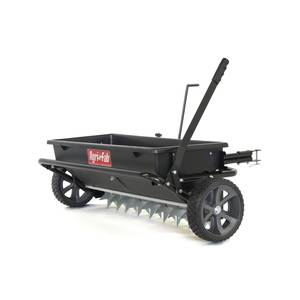
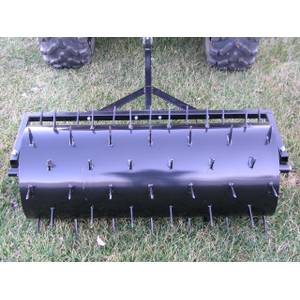
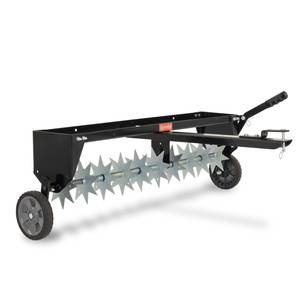
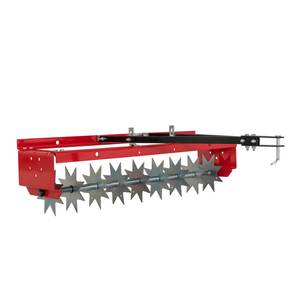
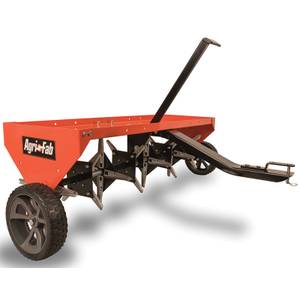
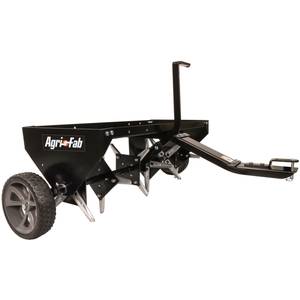
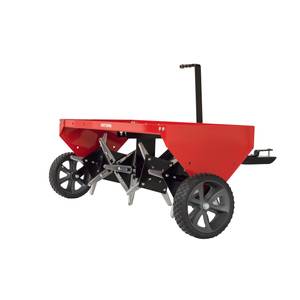
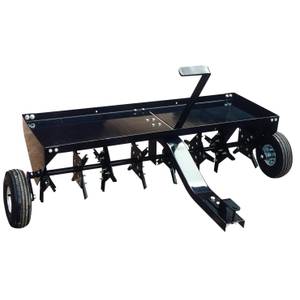
Choosing the right tool is crucial for effective aeration. There are two main types of aerators:
Spike Aerators: These tools create holes by pushing spikes into the soil. They’re simple to use but might not be as effective on highly-compacted soil.
Plug Aerators: These remove small plugs of soil from your lawn, providing more lasting benefits by reducing compaction more effectively. They’re generally the preferred option for most lawns.
How to Aerate Your Lawn
Ready to aerate? Here’s a step-by-step guide to ensure you do it right:
- Preparation: Mow your lawn a little shorter than usual, and water it thoroughly a day before aerating. This softens the soil, making the process easier.
- Aeration: Using an aerator, cover your lawn systemically, ensuring you don’t miss any spots. For best results, go over the most compacted areas several times.
- Aftercare: Immediately after aeration is a great time to overseed or fertilize your lawn, as the soil is more receptive.
Aeration is a vital component of a healthy lawn care regime. By allowing your lawn to breathe, you’re not only enhancing its appearance but also its durability and resilience against environmental stresses.
Remember, the key to successful aeration lies in recognizing when your lawn needs it, performing the task at the right time, and choosing the appropriate tools.
As you plan your lawn care schedule, consider incorporating aeration into your annual maintenance routine. Your lawn is an extension of your home, and with the proper care, it can thrive for years to come.
For more guides and how-tos like this one, check out our other Lawn Care articles.