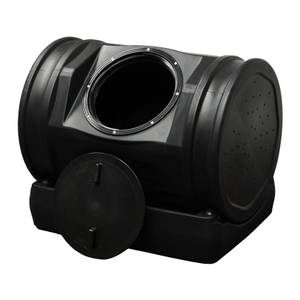
Do you want to try home composting but are unsure where to start or what’s compostable? Composting is one of the simplest ways to reduce waste and give back to the environment. By turning organic scraps into nutrient-rich fertilizer, you’re not only cutting down on the amount of trash that goes into the landfill but also enriching your garden.
However, not everything can be composted. Before you start your own compost pile, it’s important to know what you can compost and what you should avoid. This guide from Blain’s Farm & Fleet will break it all down for you.
What Can You Compost?
Compost is formed by combining two main types of materials—greens and browns. A good compost pile should contain both of these to maintain balance and promote decomposition.
Green Materials (Nitrogen-Rich)
Green materials add moisture and nitrogen, which help fuel the composting process. Here are some common green materials you can include in your compost:
- Fruit Scraps: Apple cores, banana peels, orange peels, watermelon rinds, and other fruit scraps can all go in your compost.
- Vegetable Scraps: Carrot peels, potato skins, and other vegetable trimmings are great for composting. This includes freezer-burned produce.
- Coffee Grounds: They’re rich in nitrogen.
- Tea Bags: Most paper tea bags can be composted, but avoid any that are plastic-based.
- Fresh Grass Clippings: It’s an excellent green material, but avoid using clippings treated with pesticides.
- Plant Trimmings: Include fresh stems, leaves, and other green yard waste. Just be sure to check them for diseases before adding to the pile.
- Eggshells: Well not technically “green,” they add calcium to the mix. We recommend crushing them before adding.
Brown Materials (Carbon-Rich)
Brown materials add carbon, which helps provide structure and prevent your compost from becoming too soggy or smelly. Here are some common brown materials to include:
- Dry Leaves and Twigs: These are excellent sources of carbon. Shred them down before adding to the pile.
- Paper and Cardboard: Things like shredded newspaper, toilet paper rolls, and paper bags all work well.
- Wood Chips and Sawdust: These add texture and help with drainage. Use untreated wood only.
- Straw, Hay, or Dried Grass: These materials are light and great for layering with green materials.
- Hair, Fur, and Dryer Lint: These all work in compost!
- Nut Shells: Good for carbon, but break them into smaller pieces to help them decay faster.
- Cornstalks: We recommend breaking them into smaller pieces before adding.
A general rule of thumb to get the best results is to aim for two to three parts brown materials for every one part green materials. If you have too much green, the pile will start to smell, but if you have too much brown, decomposition will slow down.
What Should You Avoid Composting?
While it’s tempting to throw any organic material into your compost pile, some items can disrupt the process or even harm your plants. Here’s some common things you should avoid:
- Meat, Fish, and Bones: These attract pests and are difficult to break down.
- Dairy Products: Things like milk, cheese, and yogurt can cause bad odors and can also attract unwanted animals.
- Greasy Foods, Fats, and Oils: These can coat other materials and slow down decomposition.
- Pet Waste: Dog and cat feces can contain harmful pathogens, so it’s best to leave them out of your compost pile.
- Diseased Plants: Avoid adding these to prevent disease from spreading in your garden.
- Weeds: Composting weeds can risk spreading them in your garden later.
- Coal or Charcoal Ashes: These contain chemicals that could harm your pile.
- Treated or Colored Paper: Paper with glossy finishes, colored ink, or chemical treatments won’t break down easily and may contaminate the compost.
- Other Materials: Items made of plastic, glass, metal, or synthetic fibers are not compostable.
Being selective about what goes into your compost pile will ensure it remains safe and usable.
Tips for Success
When it comes to a compost pile, you can’t just “set it and forget it.” You’ll need to give it a little care and attention to keep it thriving. To get the most out of your compost, follow these best practices:
- Choose the Right Location: Compost bins work best in a partially shady area. Too much sun might dry it out, while too much shade will slow down decomposition.
- Keep the Right Balance: Alternate layers of green and brown materials. Too much green material can make your compost slimy and smelly, while too much brown material will slow down the process.
- Turn the Pile Regularly: Stirring or turning the compost every few weeks adds oxygen, which helps speed up decomposition and prevents bad odors.
- Monitor Moisture Levels: Your pile should feel like a wrung-out sponge—moist, but not too soggy. If it’s too wet, add more brown materials. If it’s too dry, lightly sprinkle water over top.
- Chop or Shred Materials: Smaller pieces break down faster, so chop up larger scraps like melon rinds or cardboard.
- Cover Your Pile: Use a tarp or plastic sheet to protect your pile from excessive rain or drying out in the sun. If you use a bin, ensure it’s well-ventilated to prevent overheating.
- Be Patient: Good things take time, and compost is no exception. Depending on the size of your pile and how often you maintain it, you can expect usable compost in a few months to a year.
Now that you know what to compost and what to avoid, you’re well-prepared to get started! By following the tips above, you’ll not only reduce waste but also produce a rich, natural fertilizer for your garden.
If you’re still not sure where to begin, see our blog article on how to start backyard composting.
And for more guides like this one, check out our other Gardening articles.