Learn about the best time to put down crabgrass preventer.
When it comes to maintaining a lush, healthy lawn, timing is everything—especially in the battle against crabgrass. This pesky weed can quickly overrun your yard if not addressed promptly and with the right approach.
Crabgrass preventer, also known as a pre-emergent herbicide, is a crucial lawn care tool. Its job is to stop crabgrass seeds from germinating, but the catch is—it needs to be applied at just the right time.
If you’ve ever found yourself scratching your head, wondering when exactly to apply crabgrass preventer, you’re in the right place. Blain’s Farm & Fleet and Estate are here to help you identify the optimal time to apply crabgrass preventer.
Remember, a little effort now means enjoying a beautiful, healthy lawn all season long.
Crabgrass seeds start germinating as the soil warms up. Initial emergence typically occurs when the ground gets to be about 55° F. And most crabgrass germinates between 60° F and 70° F.
Sunlight, wind, moisture, and the amount of shade your lawn receives predominantly influence soil temperatures. In the Midwest, the soil reaches these temperatures in the springtime with the onset of warmer weather.
Considering all this, the appropriate time to apply your weed preventer is when the soil temperature is 55° F. Stay aware of the soil temperature in your local area by entering your city or zip code into the GreenCast soil temperature tool.
The timing in which you administer crabgrass preventer to your lawn is crucial for effectiveness. If used too early, it can break down before the seeds germinate. If used too late, a full-blown infestation could already be underway.
Pay close attention to the soil temperature. And try to apply a crabgrass preventer right before it’s forecasted to rain, if possible. The rain will wash the treatment off the grass blades and into the soil and crabgrass seed.
How to Apply Crabgrass Preventer
Crabgrass preventer is a pre-emergent herbicide as opposed to a post-emergent herbicide. This means you must use if before the crabgrass seeds have sprouted. So if you’re applying in early spring, you’re already a few steps ahead of the game.
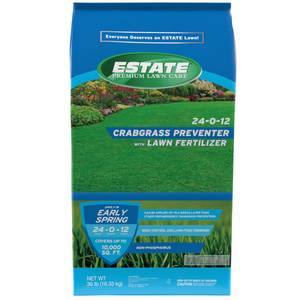
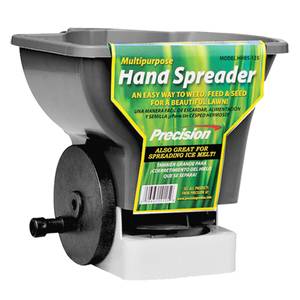
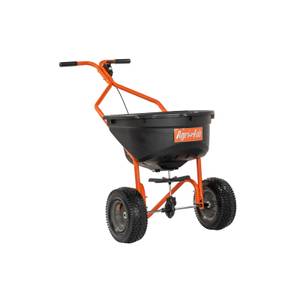
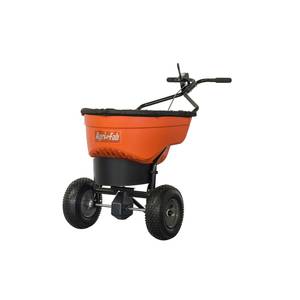
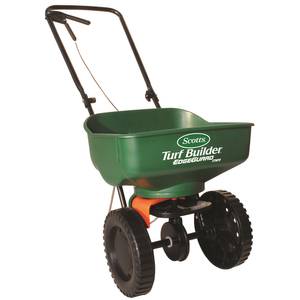
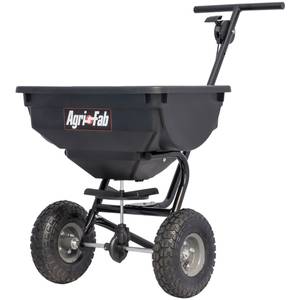
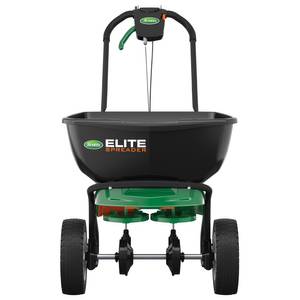
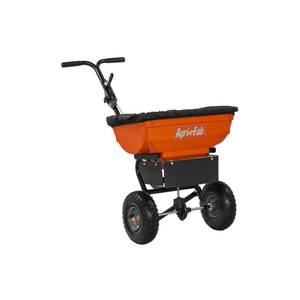
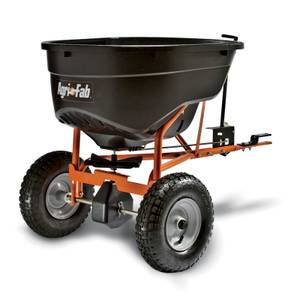
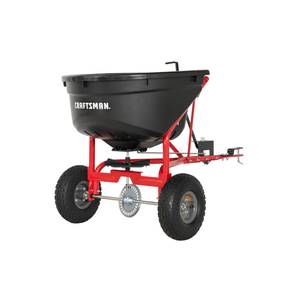
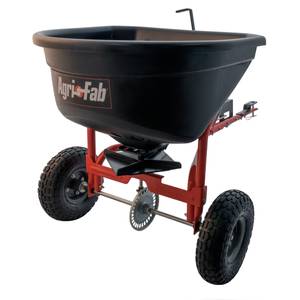
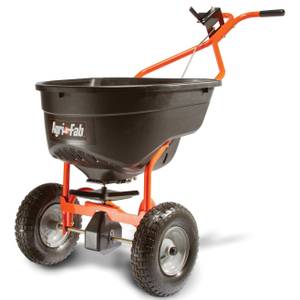
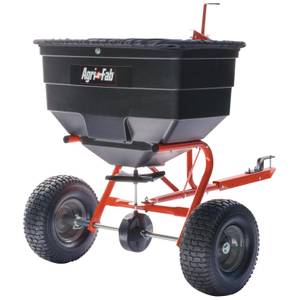
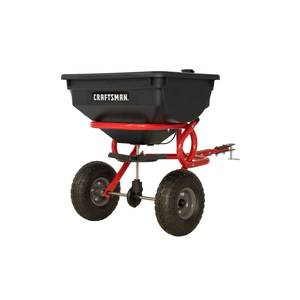
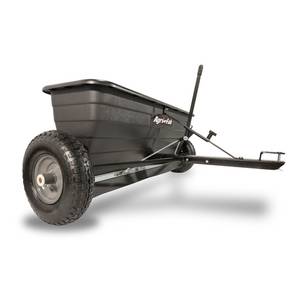
The Lawn and Garden Experts at Blain’s Farm & Fleet recommend using Estate Crabgrass Preventer. So you know you’re getting the best crabgrass preventer out there. To apply the preventer, use a lawn spreader or garden seeder. Apply it uniformly across your lawn, making sure not to miss any spots.
Once applied, you’ll need to hydrate your lawn consistently to ensure the crabgrass preventer/fertilizer is activated. If you have a newly-seeded lawn, wait until you’ve mowed a few times before applying. Otherwise, it can kill the grass seedlings.
Remember that you must always follow the manufacturer’s instructions when using an herbicide on your lawn.
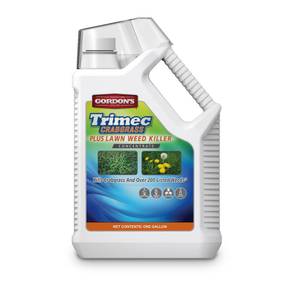
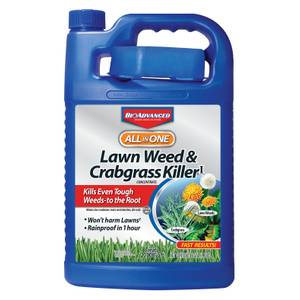
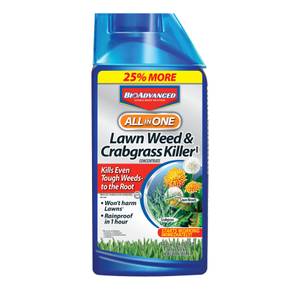
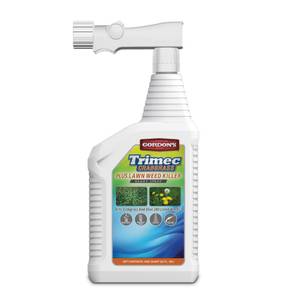
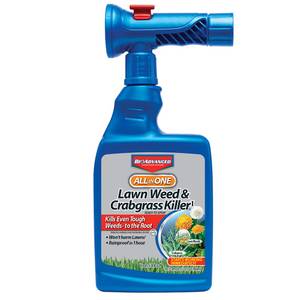
If you do not apply the crabgrass preventer in time, do not panic. You can use a crabgrass spray killer to treat this problem after it’s already started.
There are several ways to control lawn weeds in addition to herbicides. You can pick weeds by hand, add mulch to your backyard, and cut your lawn regularly to help hinder lawn weeds. Read through our weed prevention article for more tips and tricks.
At Blain’s Farm & Fleet, we understand that your lawn is your pride and joy. That’s why we carry all the lawn care supplies you need to keep your lawn looking lush and green. When it comes to your yard, we have you covered.
For more guides and how-tos like this one, check out our other Lawn Care articles.
When it comes to watering your lawn, knowing when and how much to water makes all the difference. Use these 5 lawn watering tips from Blain's Farm & Fleet.
Not all grass seed it the same, different varieties prefer different climates. Plant the best lawn possible by choosing the grass seed for your region.
Summer droughts can quickly turn a healthy lawn brown and stressed, but a few simple steps can make all the difference. Learn how to prepare your lawn before dry weather arrives, recognize the early signs of drought stress, and protect your grass with proper watering, mowing, and recovery techniques to keep your yard looking its best all season long.