

Article
5 Easy-to-Grow Vegetables
You start a vegetable garden with Blain's Farm & Fleet. If you're just starting out, you'll want to plant some of these easy-to-grow vegetables.
Read More April 19, 2016 | Blain's Farm & FleetIf you’ve ever marveled at the vibrant blooms of a hydrangea bush, you’re not alone. These enchanting plants are a favorite among gardeners for their lush foliage and breathtaking flowers that come in hues of blue, pink, white, and purple.
However, achieving those picture-perfect blossoms in your own garden might feel daunting. But with this guide from Blain’s Farm & Fleet, you’ll be able to transform your green space with some simple yet effective tips on caring for hydrangeas.
So grab your gardening gloves, and let’s get started!
The pH level of your soil can actually affect the hydrangea flower’s color. The aluminum ions (or lack thereof) change the color of the flower. Soil with a pH less than 5.5 produces blue flowers, soil with a pH greater than 5.5 produces pink flowers, and white flowers are not affected by pH.
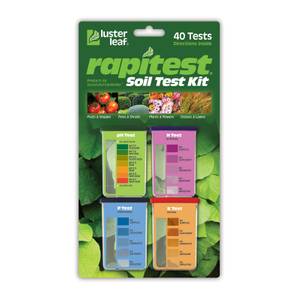
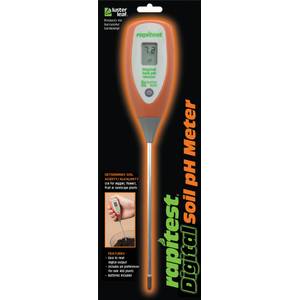
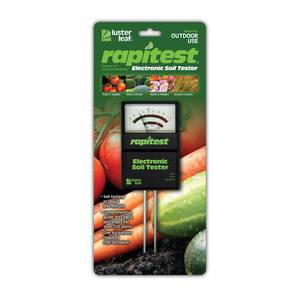
You can test your soil’s pH level with a simple soil test kit. If it’s too acidic, you can add limestone to the soil. If it’s too alkaline, you can add ground sulfur.
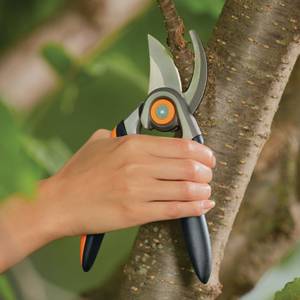
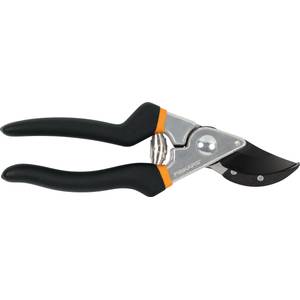
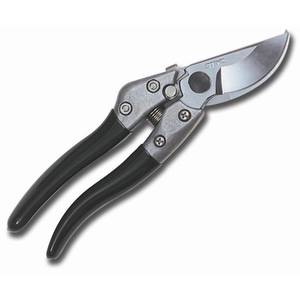
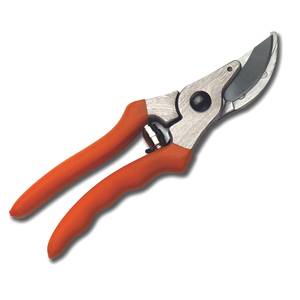
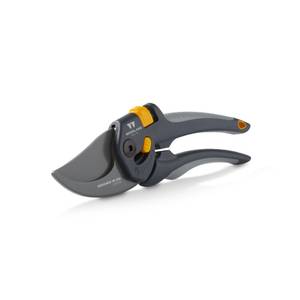
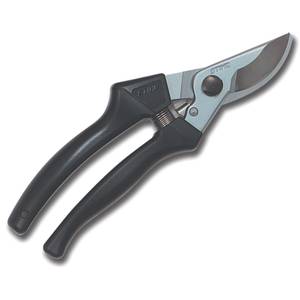
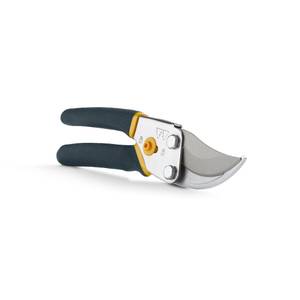
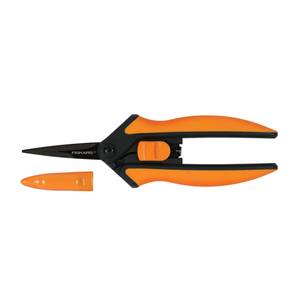
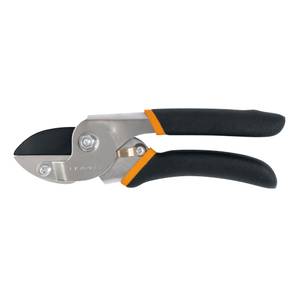
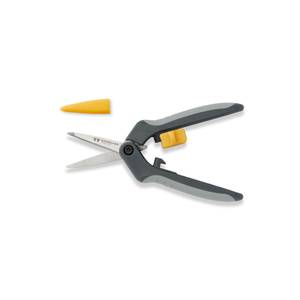
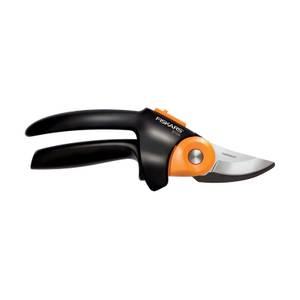
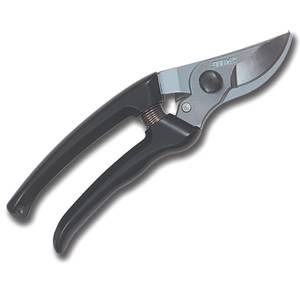
Hydrangea pruning comes down to which variety of flower you have. The Bigleaf variety, categorized as Lacecap and Mophead flowers, are the most common types of hydrangeas. You should prune them after the flowers fade (often referred to as “deadheading”).
Typically with hydrangeas, you should only cut away dead wood. Take off the wood at the base of the plant if the entire branch is dead.
Don’t prune hydrangeas past August. Any new growth can suffer from an early-fall freeze.
Hydrangeas grow quite large—around four feet in diameter. So you’ll need to give each plant enough space to grow. If you’re planting multiple plants, space them about three to 10 feet apart.
Without enough room to grow, you will have to prune the plants more often.
Hydrangeas do best in rich, drained soil. The soil should also be moist, but not too wet that it causes root rot. Having a good drainage system is key to keeping the soil at the right amount of wetness.
It’s also important to protect the plants from the hot afternoon sun and strong winds, which can both damage hydrangea blooms and stems. Plant them in a partially shaded location where they’ll get full sun in the morning and shade in the afternoon.
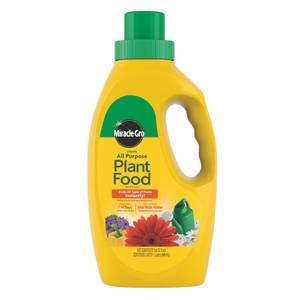
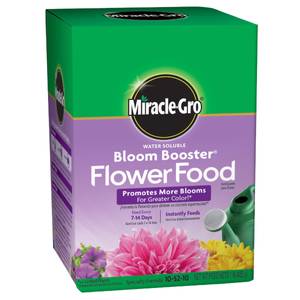
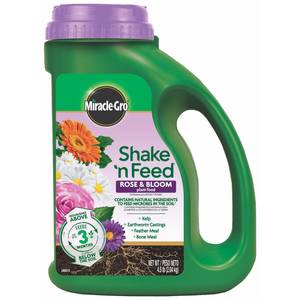
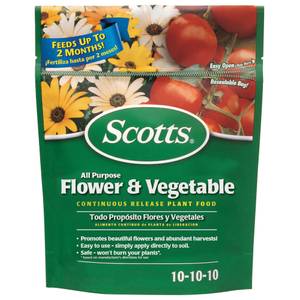
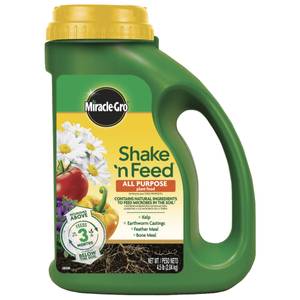
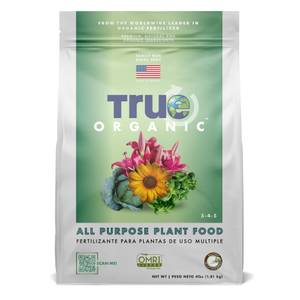
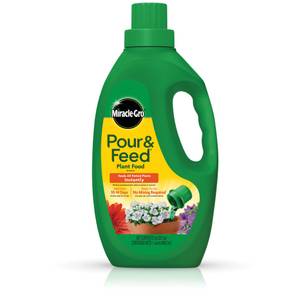
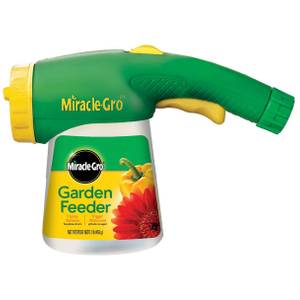
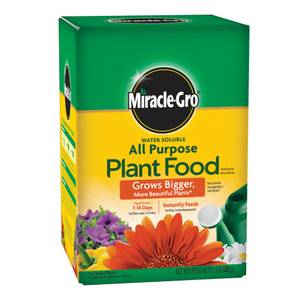
If you fertilize your hydrangeas, do so only once or twice during the summer. A slow-release fertilizer works well to promote growth.
Just as with pruning, don’t fertilize after August. If you do, new flowers can be begin to bloom, and they can be affected by early-fall frost. In the Midwest, a one-time use of fertilizer in June or July works just fine.
Planting and caring for flowers is a great way to get outside and enjoy the summer weather. You can visit one of our Garden Centers to pick out your flowers and stock up on the right gardening supplies.
For more tips on caring for flowers, check out our other Gardening articles.