

Article
Second Story Pressure Washing Tips
Clean your second story siding with these pressure washing tips from Briggs & Stratton, presented by Blain's Farm & Fleet.
Read More July 5, 2016 | Blain's Farm & FleetWe understand that you want your lawn to be the envy of the neighborhood—lush, green, and healthy. That’s why we’re here to help simplify the process, making it easy for you to select the perfect lawn fertilizer that will nurture your yard.
Choosing the right fertilizer is crucial. Your lawn is unique, with its own set of needs. Whether you’re dealing with patchy spots, weed invasion, or simply striving for that perfect green lawn, we’ve got you covered. Follow this buying guide from Blain’s Farm & Fleet to learn everything you need to know about choosing the right lawn fertilizer for your yard.
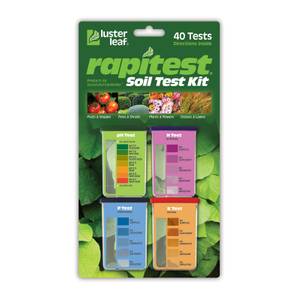
Start by testing the pH level of your soil. You can do this with a soil tester or soil testing kit.
For lawns, the ideal soil pH is between 5.5 and 7.0. If you have a low pH level (below 5.5), you should apply a lime fertilizer. If you have high pH (above 7.0), do a treatment of sulfur fertilizer or soil acidifier.
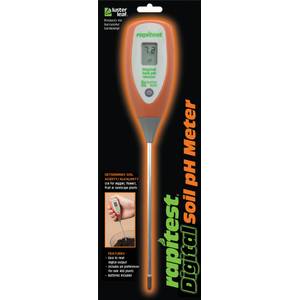
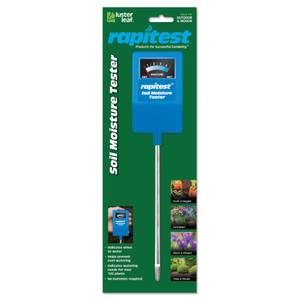
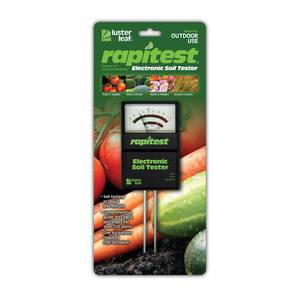
Many fertilizer products are made to help prevent specific lawn problems. There’s one to repel bugs, one designed to stop weeds, and others for pretty much any problem your lawn could have.
It’s also important to know what type of grass your lawn is made of (cool-season grass vs. warm-season grass), since different kinds of grass need different amounts of certain nutrients.
To pick the right type of fertilizer, you have to determine what problems your lawn faces. Every lawn is different, so make sure you diagnose any lawn problems you may have. Once you’ve tested your soil, identified your grass type, and diagnosed any problems your lawn has or has had, you’re ready to talk fertilizer.
Without knowing your lawn, you won’t be able to figure out which fertilizer you need, how much to use, or how often to use it. A little homework can save your lawn from a lot of problems that can come from misusing fertilizer.
When you go to buy fertilizer, you’ll probably notice the numbers on the bag or bottle. Those numbers tell you how much of the three main plant nutrients are mixed into the fertilizer in the bag.
The “big three” lawn nutrients are nitrogen, phosphorous, and potassium. The numbers will always be in that order on the bag or bottle. So a “28-0-3” fertilizer has 28% nitrogen, 0% phosphorous, and 3% potassium.
Each of the big three helps your grass in a different way.
The best fertilizer for maintaining a lawn that doesn’t have any noticeable problems is one that has a good balance of the big three.
If your lawn has problems with drought and seems to start withering as soon as you turn the sprinkler off, you probably need fertilizer with a lot of phosphorous and potassium to make your grass stronger and deepen its roots.
Different types of grass need different amounts of the big three. You can change the amount of one or more of them to help fight lawn problems, too.
If your lawn is a dull shade of green even when it’s well-watered and otherwise healthy, it probably needs a fertilizer with more nitrogen.
If your lawn is prone to insects, you’ll want to go with a fertilizer with insect control. If you have a lot of weed problems, there are fertilizers with weed control, too.
You can get ones with weed killers, or you can find weed preventers, which will keep new weeds from growing. If you struggle with crabgrass issues, there are also plenty of crabgrass killers and preventers out there, too.
Fungus problems are a little different because you’ll have to use a separate fungicide treatment to combat and prevent them. Sometimes fertilizer alone isn’t enough to keep your lawn healthy. You can learn more about fungicides on our blog.
Also, it’s important to consider whether you’re getting a quick-release, slow-release, or organic fertilizer.
Quick-release fertilizers are fast acting. They give the quickest results, but also are the most likely to burn your grass. Slow-release fertilizers give you more gradual results, but are gentler on your lawn. Organic fertilizers are the most gentle type, but often work the slowest.
Choose the type that works best for your lawn.
The best time to fertilize your lawn is in the fall. This is because the sun and heat don’t scorch and evaporate away as much of the nutrients before the grass can absorb them. Spring is the second best time to fertilize.
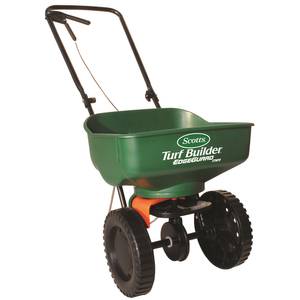
Always make sure to apply fertilizer as evenly as possible. A lawn spreader is the best way to do this. A uniform layer of fertilizer will keep your lawn growing evenly. It will also prevent burn marks or streaks.
Find the best lawn spreader for you with our buying guide.
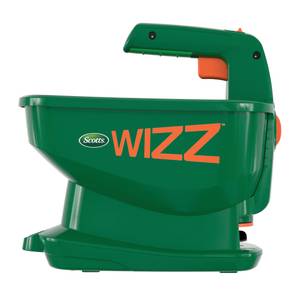

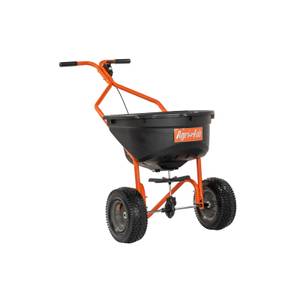
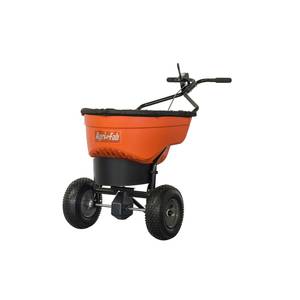
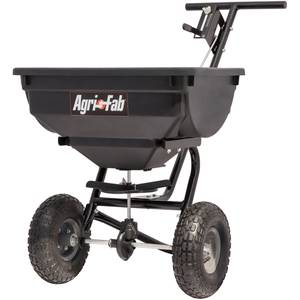

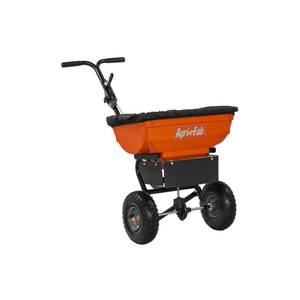
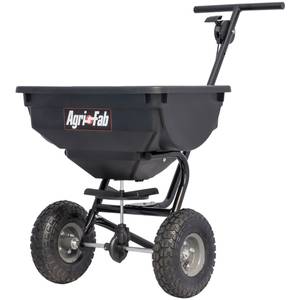
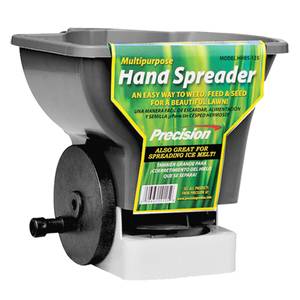
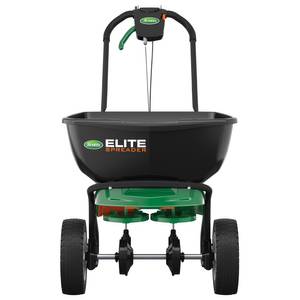
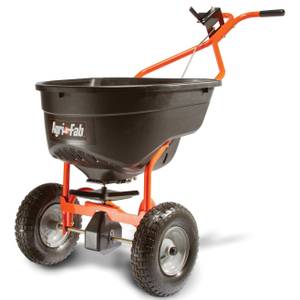
Be sure to follow the instructions on the bag or bottle of the fertilizer. Each type of lawn spreader requires a different spreader setting based upon the fertilizer you are applying. Be sure to follow the guidelines listed to ensure you don’t damage your lawn.
For more buying guides like this one, check out our other Lawn Care articles.