How ToArticle
How to Clean a Mattress
When the seasons change, it's a great time to clean your mattress. Learn how to clean a mattress in just 3 easy steps.
Read More March 30, 2023 | Blain's Farm & FleetOwning a swimming pool is a great way to bring your family endless fun, relaxation, and exercise. However, to keep your pool sparkling clean and safe for everyone to use, regular maintenance is crucial. If you’re feeling overwhelmed about where to start, don’t worry—you’re not alone. Many new pool owners face the same challenges.
From understanding the importance of water balancing to learning how to effectively use your filtration system, this guide from Blain’s Farm & Fleet will help ensure your pool remains in pristine condition. So grab your testing kit and pool skimmer, and let’s dive into the basics of swimming pool maintenance and cleaning.
Regular maintenance is key to ensuring your pool stays clean and safe. Follow this step-by-step guide for routine pool cleaning:
Using a long-handled net, skim the surface of your pool to remove leaves, insects, and other debris from the water daily. This prevents debris from sinking and causing more significant issues.
You should empty and clean the skimmer basket at least once a week to ensure it continues to efficiently remove debris.
Brush the pool walls and floor weekly to prevent algae buildup and improve circulation. Pay special attention to corners and crevices where algae is likely to grow.
Use appropriate brushes for your pool surface type. If you have a vinyl or fiberglass pool, use a nylon brush. If you have a concrete or plaster pool, use a stainless steel brush.
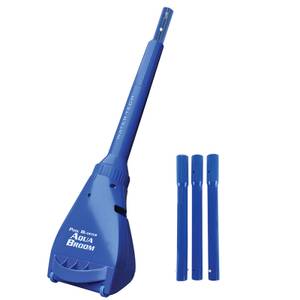
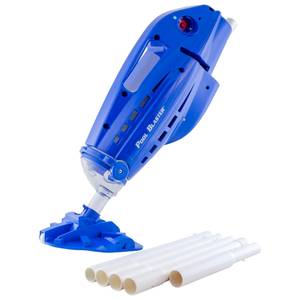
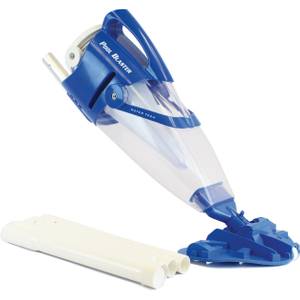
Vacuum the bottom of your pool weekly to remove settled debris. Connect your pool vacuum head to a telescopic pole and hose, then move it across the pool floor.
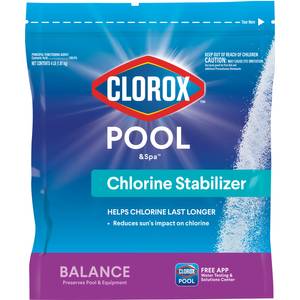
Balanced water chemistry is a must for keeping your pool water clear and safe. You will have to regularly test and adjust the pool chemical levels.
Test your pool water at least twice a week using a pool test kit. You’ll need to monitor and adjust these chemical levels:
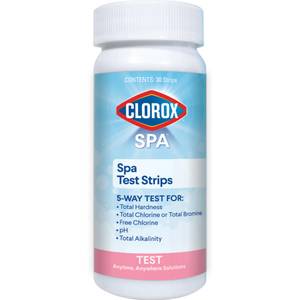
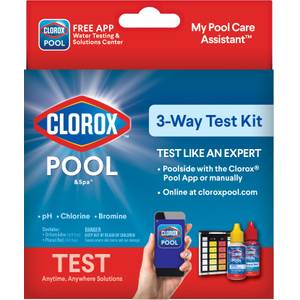
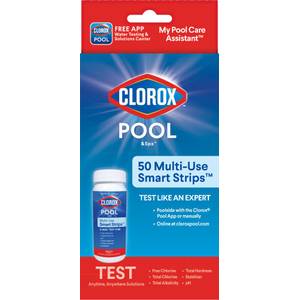
If the pH level is too high, add a pH decreaser. If it’s too low, add a pH increaser. Maintaining the correct pH level prevents skin and eye irritation and protects your pool equipment.
Shocking your pool involves adding a large dose of chlorine to kill bacteria and algae. You should do this regularly, especially after heavy use or rainstorms, to destroy contaminants. Follow the manufacturer’s instructions for correct dosage.


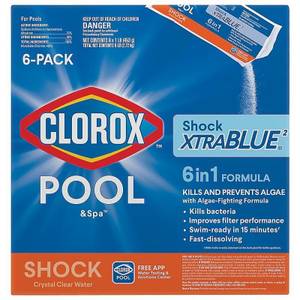
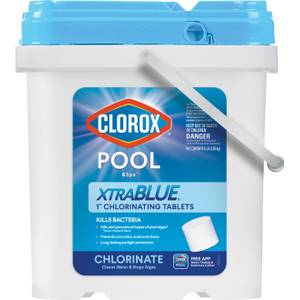
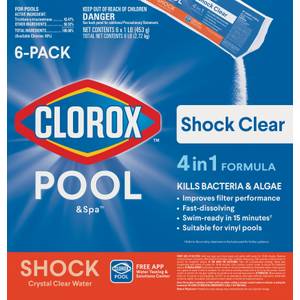

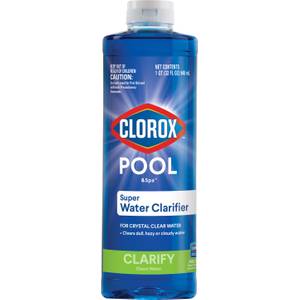
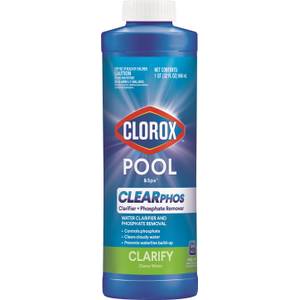
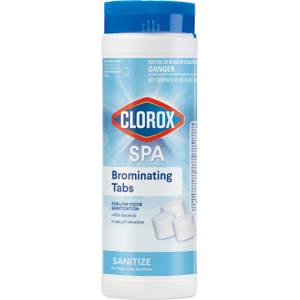

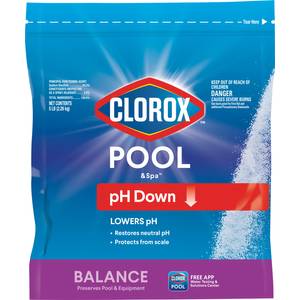
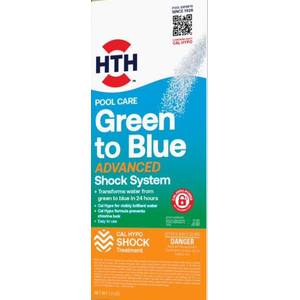
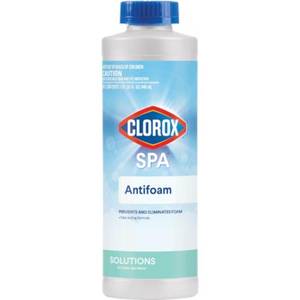
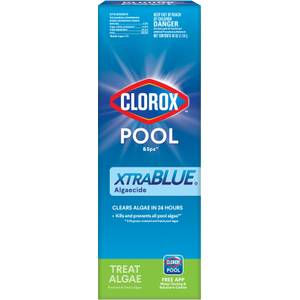
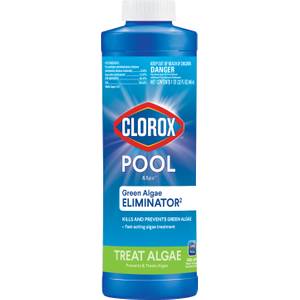
You should also regularly use algaecide to prevent algae growth. This keeps your pool clean and reduces the need for extensive scrubbing.
Your pool’s equipment also requires regular checks and maintenance to function correctly.
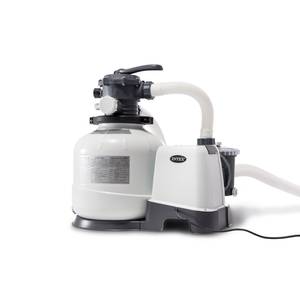
Check your pool pump and filter system regularly for signs of wear and tear. Clean or replace the filter as needed to ensure optimal water circulation.
Different types of filters require different types of maintenance:
Regularly check your filter’s pressure gauge. A high reading means your pool needs cleaning or backwashing.
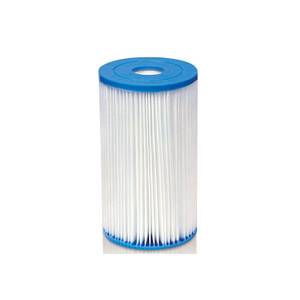
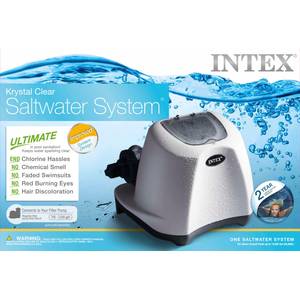
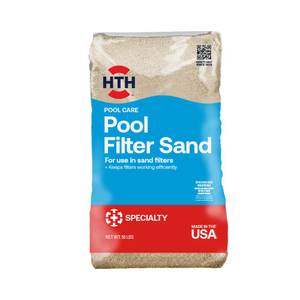
Inspect your pool heater annually. Look for leaks, rust, or any other signs of damage. Consult a professional for repairs, if necessary.
Periodically check for any leaks in your pool system. Small leaks can lead to significant water loss and increased chemical usage.
Different seasons bring different challenges for pool maintenance. Adapt your routine to the changing weather conditions.
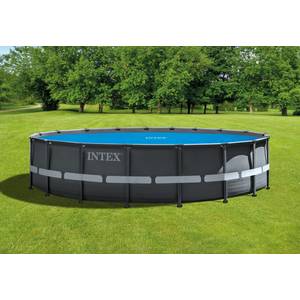
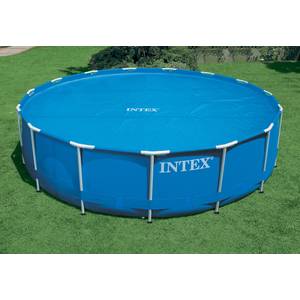
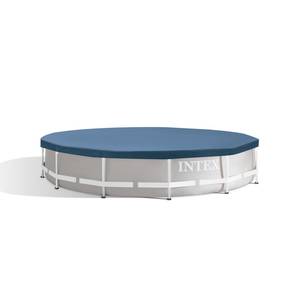
If you live in an area with cold winters, make sure you properly winterize your pool to prevent damage. For a more in-depth guide on winterizing your pool, see our blog article.
Even with regular maintenance, it’s possible that issues can arise. Here’s how to address some of the most common problems:
Proper swimming pool maintenance ensures a sparkling clean and safe environment for swimmers. By following these detailed steps and regularly attending to your pool’s needs, you can enjoy a hassle-free swimming season.
For more how-to guides like this one, check out our other Toys articles.