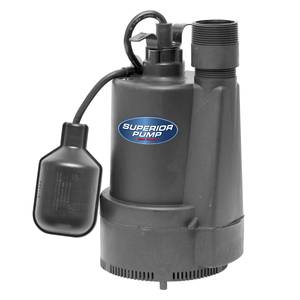
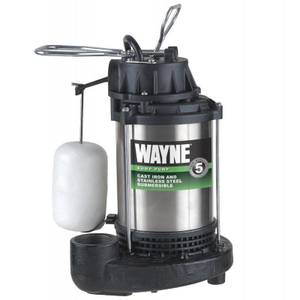
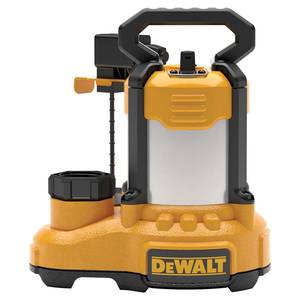
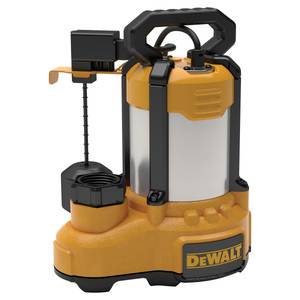
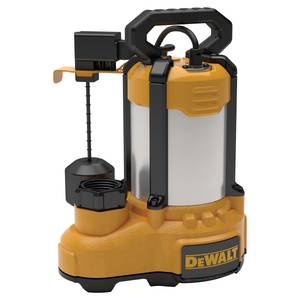
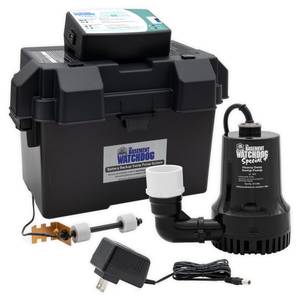
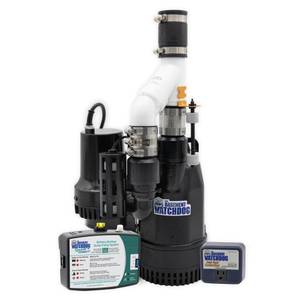
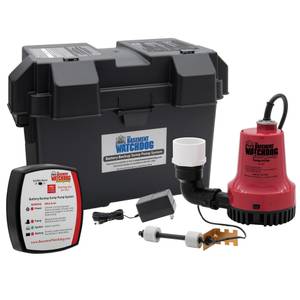
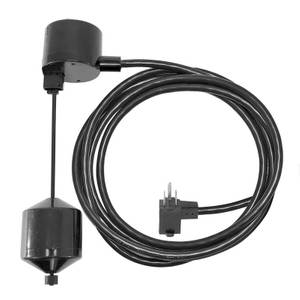
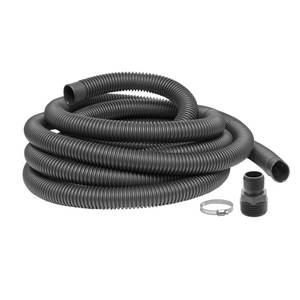
A sump pump is essentially your first line of defense against basement flooding, working tirelessly to divert excess water away from your home’s foundation. When it comes to protecting your home from water damage, especially in areas prone to flooding or with high groundwater levels, choosing the right type of sump pump is crucial.
You might be standing at a crossroads, trying to decide between a pedestal and a submersible sump pump. Both have their unique advantages and are designed to meet specific needs.
If you’re feeling overwhelmed by all the different options, you’ve come to the right place. Blain’s Farm & Fleet is here to help you find the right kind of sump pump for your home.
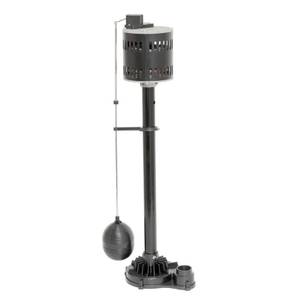
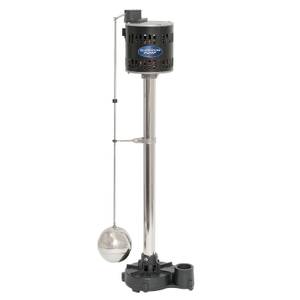
A pedestal sump pump comes in two pieces. It has the standalone motor, which is installed above the basement floor. And it has a hose that feeds into the sump pit.
These sump pumps are used when there is a shallow or narrow sump pit.
Longevity: Since pedestal sump pumps are not constantly submerged in water, they tend to last longer. The motor never faces any threat of water damage.
Easy Access: Pedestal pumps are easy to repair because they are not in the sump pit. The motor is easily accessible above the basement floor.
More Affordable: Pedestal pumps are the inexpensive option out of the two kinds of sump pumps.
Pedestal Sump Pump Cons
Less Power: The downside to this type of pump is that it lacks the power needed to pump out large amounts of water during a storm. If there is heavy rainfall, the pump may not work fast enough to prevent flooding.
Occupy More Space: Pedestal pumps occupy more space in the basement because they’re not fully in a sump pit. Pedestal sump pumps can also be a hazard because they’re partially above the basement floor.
Submersible Sump Pumps
Generally, submersible sump pumps are more common than pedestal sump pumps. This is because they’re installed when a house is being built.
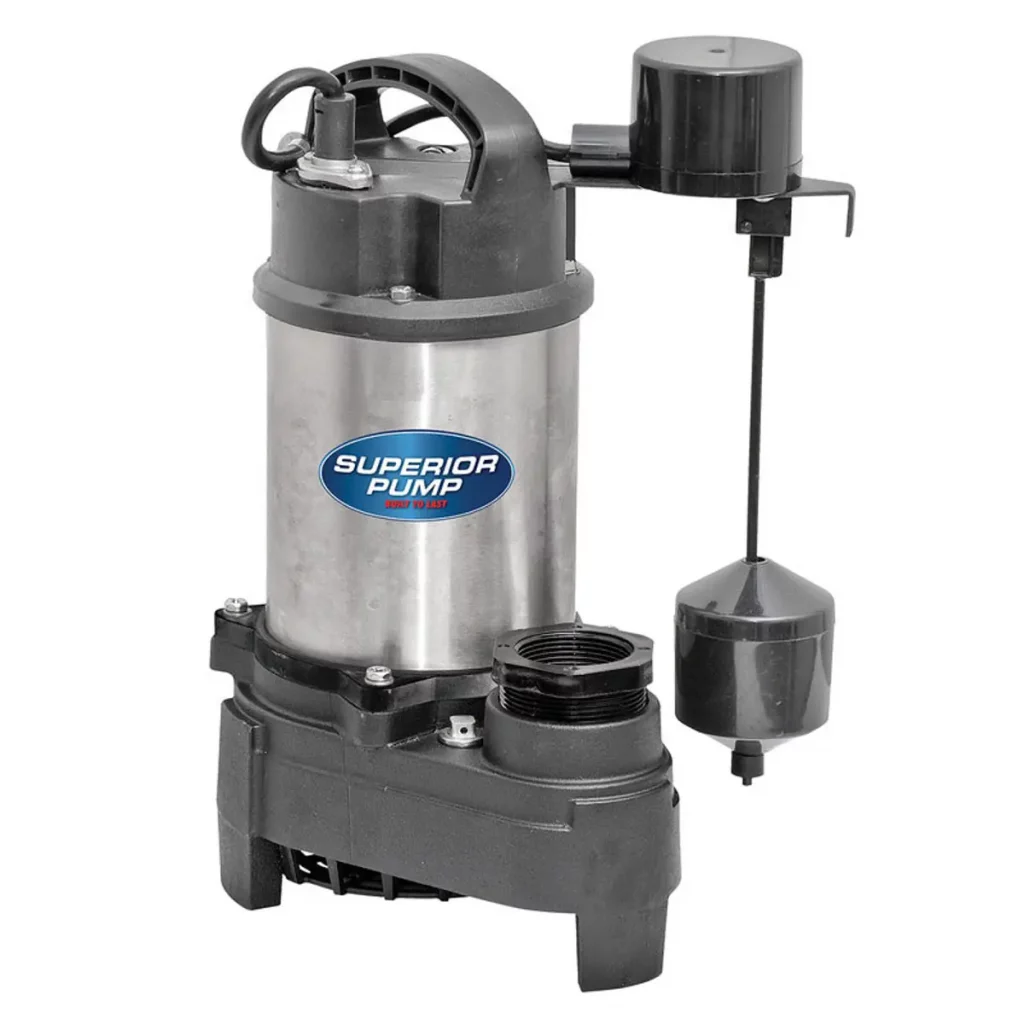
This type of pump is meant to be submerged underwater in the sump pit below your basement floor. The pump and motor are both enclosed in a waterproof container to prevent damage.
A grate or screen is on the underside of the pump to stop the flow of debris.
Saves Space: The great thing about a submersible sump pump is that it sits under the floor. This means it can’t get in the way of anything in your basement. This also prevents any loud noise from the pump while it’s doing its job.
More Power: Submersible sump pumps also offer more horsepower. This means the motor can pump the water out faster than a pedestal sump pump. This is a very important feature for homes that are low-lying and may take on a full sump pit after a substantial amount of rain.
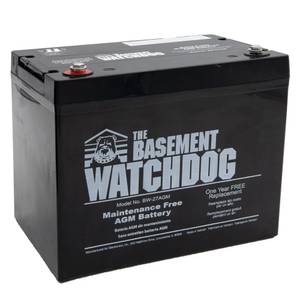
Battery Backup: Submersible sump pumps can also have a backup battery. This comes in handy if there is a storm that causes flooding and a power outage. The backup battery allows the submersible sump pump to pump water out of the flooded basement, even if the power is out.
Cost: While the submersible sump pump may seem like the better deal, it’s also more expensive. The fact that it’s installed in the sump pit makes for more costly repairs, even when the smallest of damages occur.
Harder to Access: In order for you to access the pump, the cement floor of the basement must be broken up. This costs a lot of time and money.
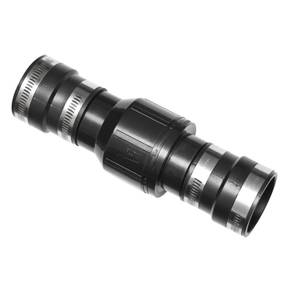
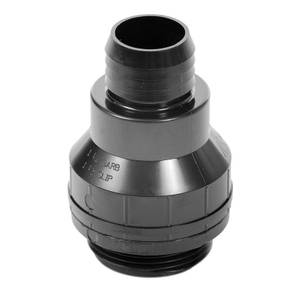
If you ever need to repair your sump pump, there are replacement parts available. Sump pump check valves, for example, are used to prevent back-splash of outgoing water. They’re similar to a drain trap.
For more buying guides like this one, check out our other Plumbing articles.
The right outdoor power tools make yard and property maintenance easier. This guide highlights must‑have equipment and homeowner‑friendly options available at Blain’s Farm and Fleet.
Let Blain's Farm & Fleet show you how to replace a light switch with this quick and easy 8-step guide. Save yourself some green and skip the electrician.
Front entrances welcome you and guests to your home. With these paint ideas and tips from Benjamin Moore, you can truly make a lasting first impression.