

How ToArticle
Tips for Harvesting Sweet Corn
Learn the best time to pick sweet corn, how to harvest it, and different ways to store your freshly-picked corn.
Read More August 14, 2023 | Blain's Farm & FleetStarting a vegetable garden might feel like stepping into uncharted territory, but it’s a journey worth embarking on. It’s a great way to grow your own organic food. And you can bring the food straight from the ground to your kitchen table with your very own vegetable garden.
It can be hard to figure out where to begin. You might be wondering which vegetables are best for beginners, how to choose the right spot to plant them, or how to prepare your soil. That’s why Blain’s Farm & Fleet is here to help you dig into the world of vegetable gardening.
Sun is important for every vegetable garden. Pick a space that gets six to eight hours of direct sunlight a day. We suggest planting leafy greens, such as lettuce, in shady areas.
Your garden will need to have easy access to water, so make sure you choose a spot that makes sense. You can use a watering can to hand water the garden. But if it’s far away, you likely won’t want to take many trips back and forth to carry the water.
In hot weather, a sprinkler is going to be the best option. Your garden should be positioned in spot you’ll easily be able to hook up your sprinkler.
Vegetable gardens come in a variety of sizes, from many acres to planters on a patio. No matter your property size, we suggest you start small for your first season. Otherwise, you may become overwhelmed by the upkeep of the vegetable garden.
To make sure it stays manageable, try to keep your small garden under 10 by 10 feet. However, it can even be much smaller than that.
There are two main types of vegetable gardens you can grow in your yard—an in-ground garden and an above-ground box garden. Both are good options, so choose whichever one works best for you.
Vegetable gardens need to be the proper size for your plants and have adequate drainage. Above-ground box gardens are a popular option for several reasons:
In-ground vegetable gardens are a good choice for those who have at least moderately-good soil. They’re also a great choice for those who are able to break up the soil using a rototiller.
And you can adequately feed your soil with compost and fertilizers.
You want a soil that will provide lots of nutrients to your plants. Plus, it should offer good drainage, so they don’t get over or under watered.
Create high-quality soil for your vegetable garden by loosening the dirt with a rototiller or hand tool. You should then mix organic matter (such as compost) and fertilizer into the soil to provide nutrients for the plants. After this process, let the garden rest a few days before planting.
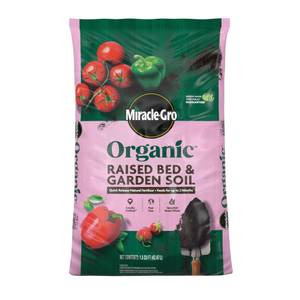
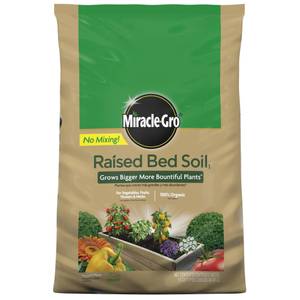
If you’re planting in a raised garden bed, you can buy bags of soil that are specially made for this purpose. Look for ones that are labeled as such. They will come prepared for you, so you won’t have to do anything extra to the soil!
Pest control is another thing to consider, as rabbits and deer are notorious for stealing from vegetable gardens. Your garden will need a two- to three-foot fence, which extends six inches underground. This will help to keep out the bunnies and other small critters.
Deer require an eight-foot barrier and/or an electric fence, which is not feasible for many backyard gardeners. Keeping out the deer usually comes down to luck and creativity.
Many times your neighborhood dogs are the best deer alarms and deterrents. So if a dog is barking, check on your garden for deer quickly! Spreading dog hair around your garden can also help deter deer.
When choosing what vegetables you want to plant in your garden, the biggest factor to consider is what you and your family like to eat. You don’t want to grow anything that you won’t enjoy eating.
When just starting, we recommend limiting how many plants you go with. For most types, you’ll probably only need one of each plant. Many of them will produce throughout the entire summer, giving you more than enough vegetables.
Hybrid vegetable plants are a good choice for new gardeners because they are hardier than heirloom varieties. They have a strong pest and disease resistance. We also recommend doing research on what types of plants grow well in your area.
Below are 10 of the easiest vegetable plants we suggest for beginners to grow.
You have the choice between buying your vegetables in seed form or plant form. Both work well, and each has its own advantages.
Seed packets are more affordable than plants. However, plants will grow and start producing vegetables faster than seeds.
When looking at seed packets or plant containers, pay attention to their labels. They will specify all the information you’ll need to know about the plant, such as how big it will get, what temperatures it grows well in, and more.
Now it’s time for the fun part—planting your vegetables! Start by making a garden plan. This will help you figure out where to put each plant.
When placing your plants, keep the perennials to one side and annuals to the other. That way, you don’t disturb the perennials’ beds in the spring when planting new annuals.
Plant taller plants on the north side of the garden, so they don’t block the sun from the shorter plants. Read the plant labels to make sure the varieties you choose are appropriate for your garden space and climate.
To begin planting, dig small holes in your soil with a garden trowel. Place your plant or seeds in the hole, then cover it with more soil, pressing down lightly.
Make sure to keep each plant a few feet apart. For tall or vining plants, such as tomatoes plants and green beans, use trellises or tomato cages for extra support.
Once all your veggies are planted, it’s time to water them. Check your garden the next day, and water them again once the top of the soil is dry. After that, plan on watering your garden about two to three times a week. If it’s extra hot outside or hasn’t rained in a while, you may need to water them more.
You should also use a vegetable fertilizer frequently to keep your plants as healthy and flourishing as possible.
Planting a vegetable garden is a great activity for all ages. And the flavor and texture of the fresh vegetables you grow in your garden will far surpass those bought in a grocery store.
So get out there, stick your hands in the dirt, breathe in the fresh air, and have a happy and healthy time growing your very own vegetable garden!
For more tips and how-tos like these, be sure to check out our other Gardening articles.