Creating a lush, vibrant lawn is a dream for many homeowners. And we understand that achieving this goal can sometimes feel overwhelming. That’s why we’re here to help you with your lawn care journey.
Whether you’re a seasoned gardener or someone just starting out, our aim is to equip you with all the knowledge you need to successfully fertilize your lawn and ensure it thrives.
Just like any other plant in your garden, your grass requires specific nutrients to grow healthy and strong. However, determining exactly what your lawn needs can seem like a daunting task. With this guide from Blain’s Farm & Fleet, you’ll be well on your way to achieving that lush, green lawn you’ve always wanted.
Step 1: Choose the Right Fertilizer
Before you begin, it’s important to select a fertilizer that suits your lawn’s specific needs. The product should match your grass type and current season. Below is a guide of which type of grass fertilizer to use during each season.
Early Spring
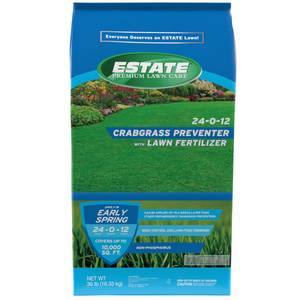
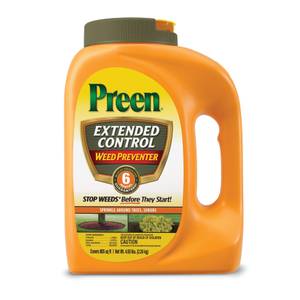
Early spring is when your lawn needs to become strong and disease resistant throughout the upcoming season. This is the time that you want to apply a pre-emergence product, such as Estate Crabgrass Preventer Plus Fertilizer.
You must apply this type of fertilizer as the weed is beginning to grow and not after it has sprouted. You should apply this fertilizer before the temperature has reached 65° F for three or four days, or once the soil temperature is 55° F.
Be sure to check the back of your fertilizer’s bag for proper spreading settings.
Late Spring
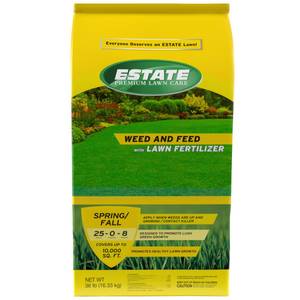
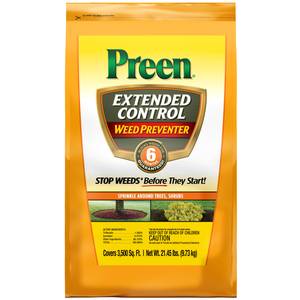
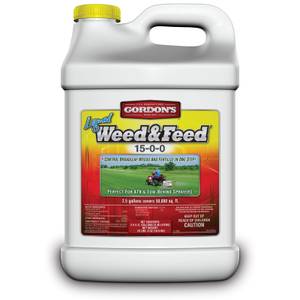
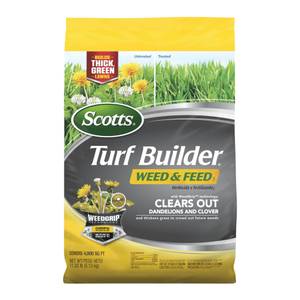
Late spring is the best time to apply a high-analysis fertilizer that also offers excellent weed control and slow-releasing nitrogen, such as Estate Weed and Feed 25-0-8.
You should apply this type of fertilizer after weeds begin to appear. For best results, apply when the grass is damp, such as early in the morning when the grass is still wet with dew. Or water the grass lightly before application.
Do not mow your grass for at least 48 hours after applying. Also, do not apply this fertilizer if it’s going to rain, as the weed control will wash off.
Summer
Summer is the time of year that you will need to apply a fertilizer with a slow-releasing nitrogen, every six to eight weeks throughout the growing season. Good benchmarks for when to fertilize in the summer are Memorial Day, Fourth of July, and Labor Day.
Be sure to apply this type of fertilizer when temperatures are below 90° F. Estate Lawn Fertilizer 27-0-9 will keep your lawn looking great all summer long.
Fall
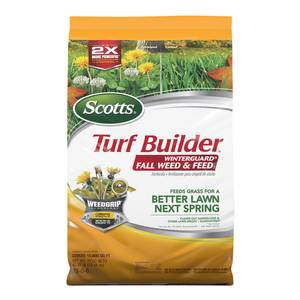
Fall is when you will actually apply two fertilizing products. First, you’ll want to apply an herbicide application to control most perennial weeds, such as Estate Spring/Fall Weed and Feed 25-0-8.
These autumn herbicide applications are effective because the herbicides weaken the plant just before the onset of winter. Even if the herbicide doesn’t kill the weeds outright, the weakened weeds are less likely to survive the winter.
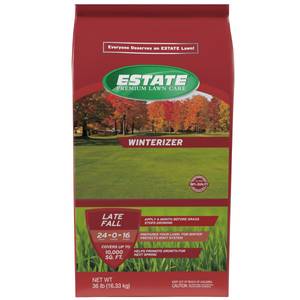
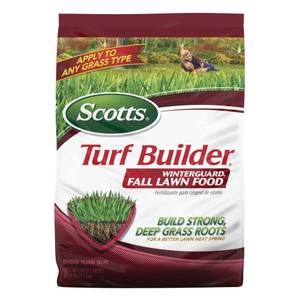
Second, you’ll want to apply a winterizer. These have a root-building formula, which will withstand winter dormancy, such as Estate Late Fall Winterizer 24-0-16.
This combination of products used in early fall will nurture strong root systems for next spring. And it will keep your lawn rich and green all the way until winter.
Step 2: Fill your spreader
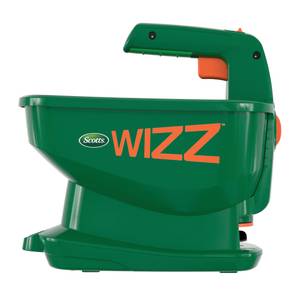
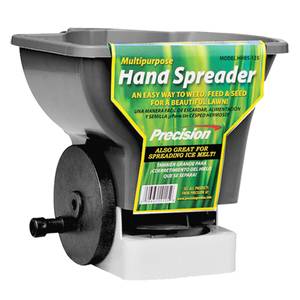
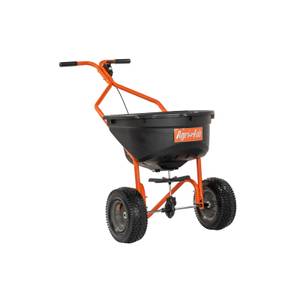
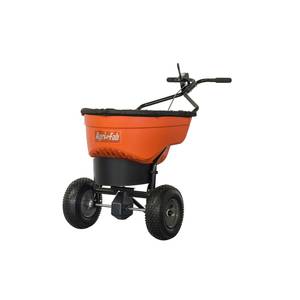
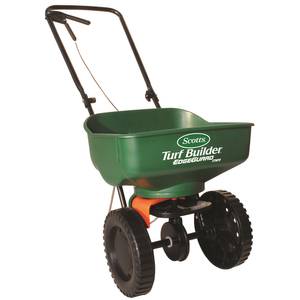
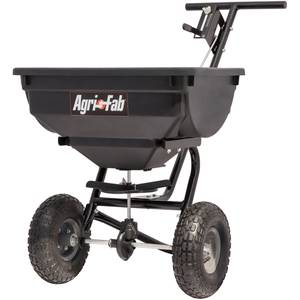
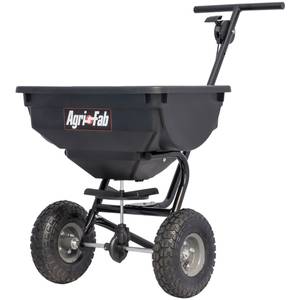
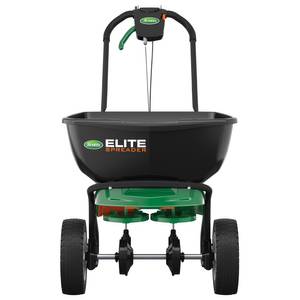
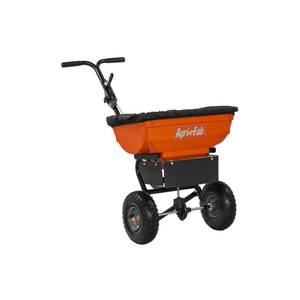
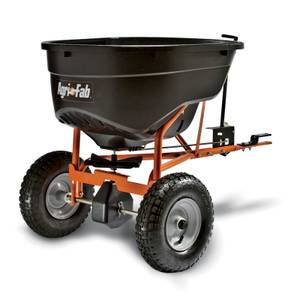
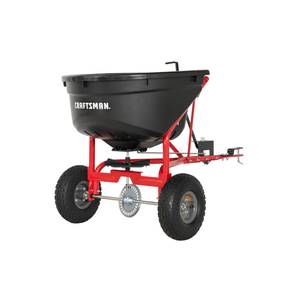
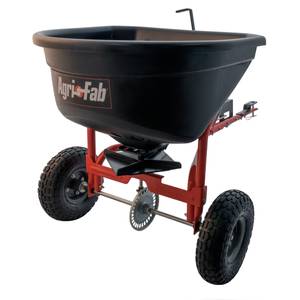
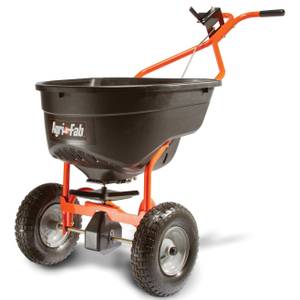
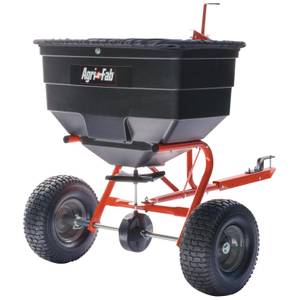
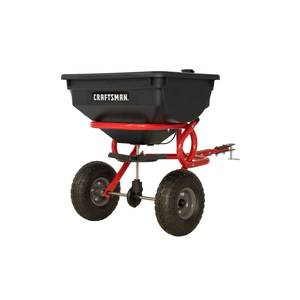
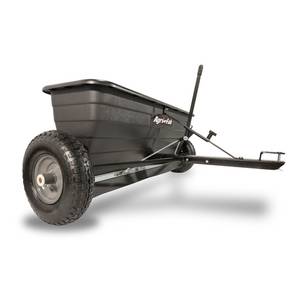
Start by choosing a good lawn spreader. There are two types of spreaders—rotary (broadcast) or drop.
A broadcast spreader creates a wider path for distributing the fertilizer and is excellent for larger lawns. A drop spreader is more accurate when distributing fertilizer. And it’s more appropriate for smaller lawns or maneuvering around flower beds.
It’s important that you choose a spreader that best suits your needs.
Test your spreader’s opening and closing mechanism to ensure it works properly. Once you’ve done this, be sure to leave it in the closed position until you’re ready to fertilize.
Fill your spreader with the appropriate fertilizer, based on the time of the year. Be sure that you do this on a hard, stable surface and away from your lawn.
Step 3: Apply your fertilizer
Check the fertilizer package for the recommend spreader setting needed. Then, adjust your spreader accordingly to ensure you’re applying the right amount of product.
Begin by fertilizing the perimeter of your lawn. This creates a border that helps you turn the spreader and start new rows without missing any spots.
Use a consistent speed when walking with the spreader, to ensure even coverage. Overlapping slightly on each pass will help prevent strips of unfertilized grass. Be mindful of driveways, sidewalks, and garden beds. You want to feed your lawn, not feed weeds or contribute to runoff.
Step 4: Clean your spreader
It’s always a good idea to clean your spreader immediately after use. Remove any remaining fertilizer, and rinse it out with a hose. This prevents corrosion and ensures it’s ready for the next use.
Allow your spreader to dry completely before storing it. This helps extend its lifespan and keeps it in good working condition.
Step 5: Water your lawn
As always, be sure to read the manufacturer’s directions for your spreader and fertilizer.
Water your lawn within 24 hours after fertilizing, if rain isn’t expected. This helps activate the fertilizer and allows nutrients to penetrate the soil.
Provide enough water to moisten the soil without causing runoff. Over-watering can wash away the nutrients before your grass can absorb them.
Keep an eye on your lawn in the days following fertilization. Healthy growth and a vibrant color are good indicators that your efforts are paying off.
For more tips on keeping your lawn healthy and green, visit our other Lawn Care articles.