Buying GuideArticle
Must-Have Jigsaw Puzzle Accessories
Take your jigsaw puzzle game up a notch with these neat accessories, which help you store, organize, and preserve your hard work!
Read More August 22, 2023 | Blain's Farm & FleetWinterizing your pool is a crucial task that will ensure your investment stays in top condition, even during the colder months. As temperatures drop, taking the right steps to prepare your pool can help prevent costly damage and make reopening it in the spring a breeze.
Whether you’re a seasoned pool owner or a first-timer, this guide from Blain’s Farm & Fleet will walk you through the necessary steps to get your pool ready for winter. So you can rest easy knowing it’s protected until the warm weather rolls back around.
Before you start the winterization process, it’s crucial to clean your pool thoroughly. Dirt, debris, and algae can cause severe damage if left unchecked over the winter months.
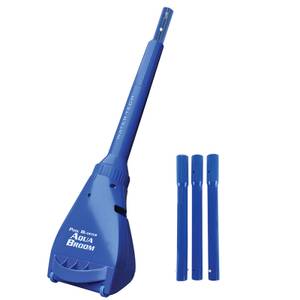
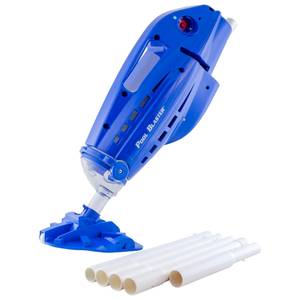
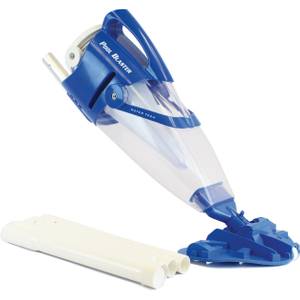
Use a skimmer to remove leaves and other debris from the water. Brush down the walls and floor to get rid of any algae or dirt buildup. And use a pool vacuum to deep clean the bottom of the pool.
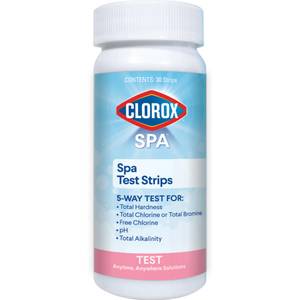
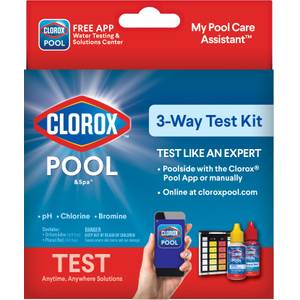
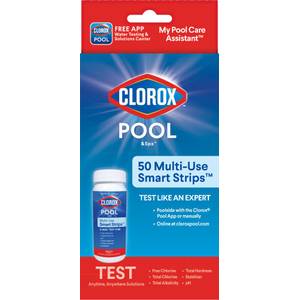
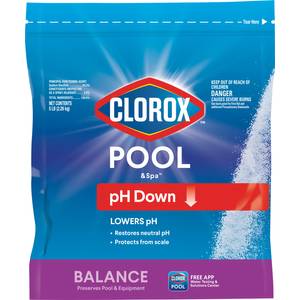
Properly balanced water chemistry is crucial to prevent corrosion, scale buildup, and algae growth during the off-season. Test and balance your pool’s water chemistry to prevent damage over the winter.
Partially drain the pool to the appropriate water level. This will help prevent freezing and potential damage to your pool’s plumbing. The amount of water to leave in the pool will depend on the material it’s made of.
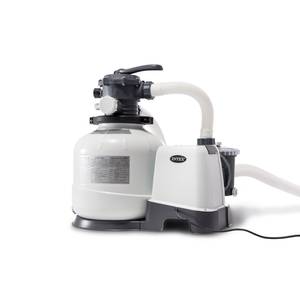
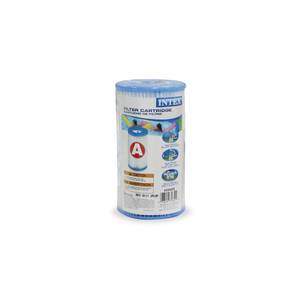
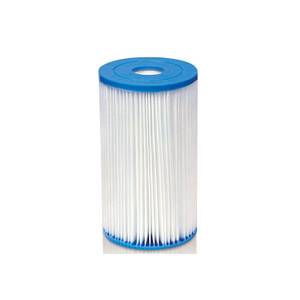
You’ll need to drain and protect your pool’s pump, heater, and filter from freezing temperatures. Before draining the filter elements, clean them thoroughly with filter cleaner. Your filter may need additional cleaning, depending on the type you have.
Turn off the pool pump, heater, and filter. Then, drain all the water from each of these components to prevent freezing. Store pumps, heaters, and other removable equipment indoors, if possible.
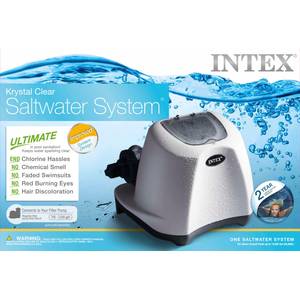
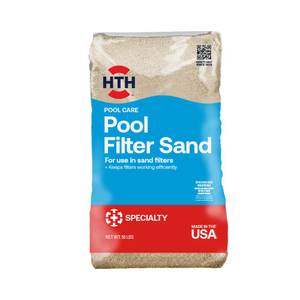
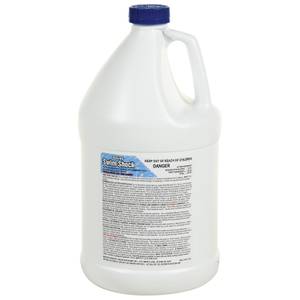
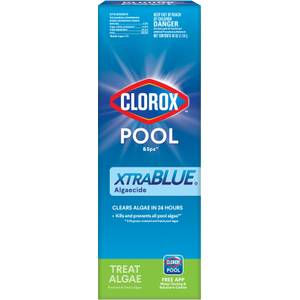
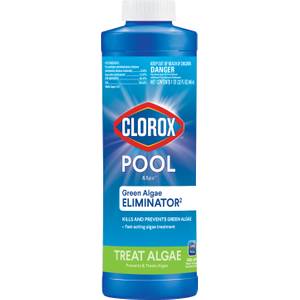
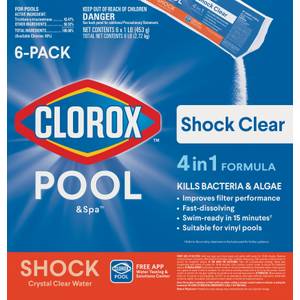
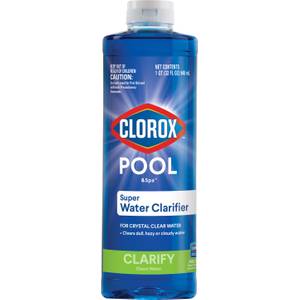
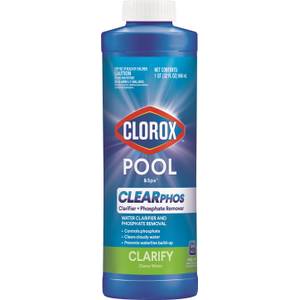
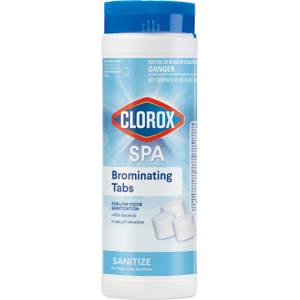
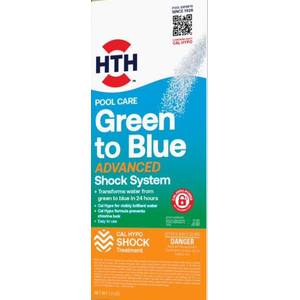
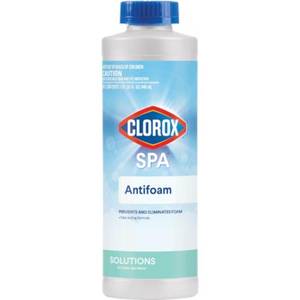
Add winterizing chemicals to keep your pool water clear and protect against algae growth during the winter months. Add a winter algaecide to prevent algae formation.
Always make sure to follow the manufacturer’s instructions for adding winterizing chemicals to your pool.




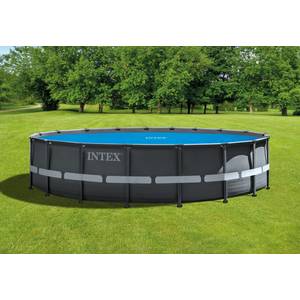
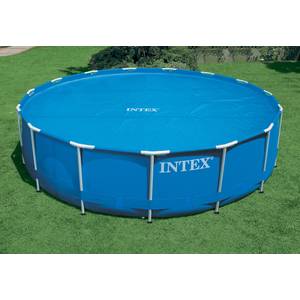
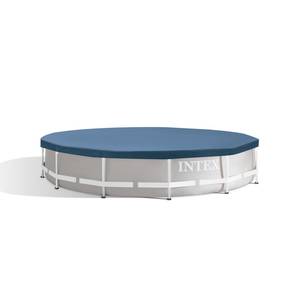
A high-quality pool cover is essential to protect your pool from debris and harsh weather. Look for a durable, fitted pool safety cover designed for winter protection.
Make sure to tightly and securely cover the pool to prevent wind from blowing the cover off. We recommend regularly checking the pool’s winter cover throughout the colder months to ensure it stays secure.

Freezing pipes can cause significant damage, so it’s important to take preventative measures. Pour a pool antifreeze in your pool’s plumbing lines to prevent freezing. You should also use an air compressor to blow out any remaining water from the plumbing lines.
Winterizing your pool may seem harder than it actually is. By following these steps, you can protect your investment and ensure a smooth opening when warmer weather returns.
For more how-to guides like this one, check out our other Seasonal Maintenance articles.