Raising chickens can be a rewarding and practical addition to any backyard or farm, as they provide everything from fresh eggs to meat. However, choosing the right breed for your needs is crucial for success.
Chicken breeds vary widely in appearance, behavior, and purpose. Some are bred for high egg production, others for their meat, and many for their dual-purpose qualities. Additionally, their temperament and adaptability to small spaces or free-range environments can influence your decision. Before committing to a breed, take a closer look at these essential aspects.
This guide from Blain’s Farm & Fleet will dive into key considerations for selecting a chicken breed, giving a detailed look at their characteristics, production capabilities, and more. Whether you’re raising chickens for eggs, meat, or as pets, this guide will help you make an informed decision.
Austra White
The Austra White chicken is a hybrid breed created in the early 1900s by crossing a Black Australorp rooster with a White Leghorn hen. This cross results in exceptional layers that produce large eggs consistently throughout the year. They also have an efficient feed-to-egg ratio and calmer temperament, making them an excellent choice for backyard flocks.
Main Use
Egg Production
Egg Color
Egg & Meat Production
Good
White/Cream
Barred Plymouth Rock
The Barred Plymouth Rock, or simply “Barred Rock,” stands out as an exceptional brown egg layer throughout both winter and summer. These chickens are ideal for backyard flocks. They’re prized for their reliable egg production and friendly temperament, making them especially great for families with children.
Main Use
Egg Production
Egg Color
Egg & Meat Production
Very Good
Brown
Black Australorp
The Black Australorp Chicken is a breed that originated in Australia. Bred primarily for their exceptional egg-laying abilities, these hens are particularly impressive during the winter months. However, they can also be used for meat production. And their stunning, glossy black feathers give them a striking appearance.
Main Use
Egg Production
Egg Color
Egg & Meat Production
Very Good
Brown
Black Jersey Giant
The Black Jersey Giant chicken, developed in the 1800s in New Jersey, is a remarkable breed known for its impressive size and versatility. While it’s a heavy breed with excellent dual-purpose potential, its slow growth rate results in a less efficient feed-to-weight conversion, making it less common in commercial broiler production. Fully grown, its black feathers display a stunning green sheen, which adds to its unique appearance.
Main Use
Egg Production
Egg Color
Egg & Meat Production
Good
Brown
Black Laced Gold Wyandotte
The Black Laced Gold Wyandotte was first bred in Wisconsin in 1880. Known for their friendly and docile temperament, these chickens feature striking black-laced gold plumage and a sleek black tail. Their distinctive red rose comb, earlobes, and wattles add to their charm.
Black Laced Gold Wyandotte hens are occasionally prone to broodiness, making them excellent mothers and ideal for those looking to raise chicks. These are a perfect choice for backyard flocks, as they’re adaptable and thrive in both confinement and free-range environments.
Main Use
Egg Production
Egg Color
Egg & Meat Production
Good
Brown
Black Laced Silver Wyandotte
As the foundational variety for all other Wyandottes, the Black Laced Silver Wyandotte holds a special place in poultry history. Known for their striking appearance, these chickens feature clean legs, shimmering silvery-white feathers edged in black, and a sleek black tail, as well as a bright red rose comb, earlobes, and wattles.
They also possess a calm and friendly temperament. The hens are excellent mothers and occasionally go broody, making them ideal for small-scale breeding. Whether kept in confinement or allowed to free-range, they adapt well.
Main Use
Egg Production
Egg Color
Egg & Meat Production
Good
Brown
Black Sex Link
The Sex Link Hybrid is a unique crossbreed created by pairing two heritage purebred chicken breeds: the Rhode Island Red rooster and the Barred Rock hen. Adult roosters display a faded barred pattern with light-colored neck hackle feathers, while the hens are predominantly black with red accents in their neck hackles.
This hybrid breed is known for producing robust, energetic chicks, hardy egg-laying hens, and excellent cockerel fryers. They make fantastic pets and are a perfect addition to any backyard farm.
Main Use
Egg Production
Egg Color
Egg & Meat Production
Very Good
Brown
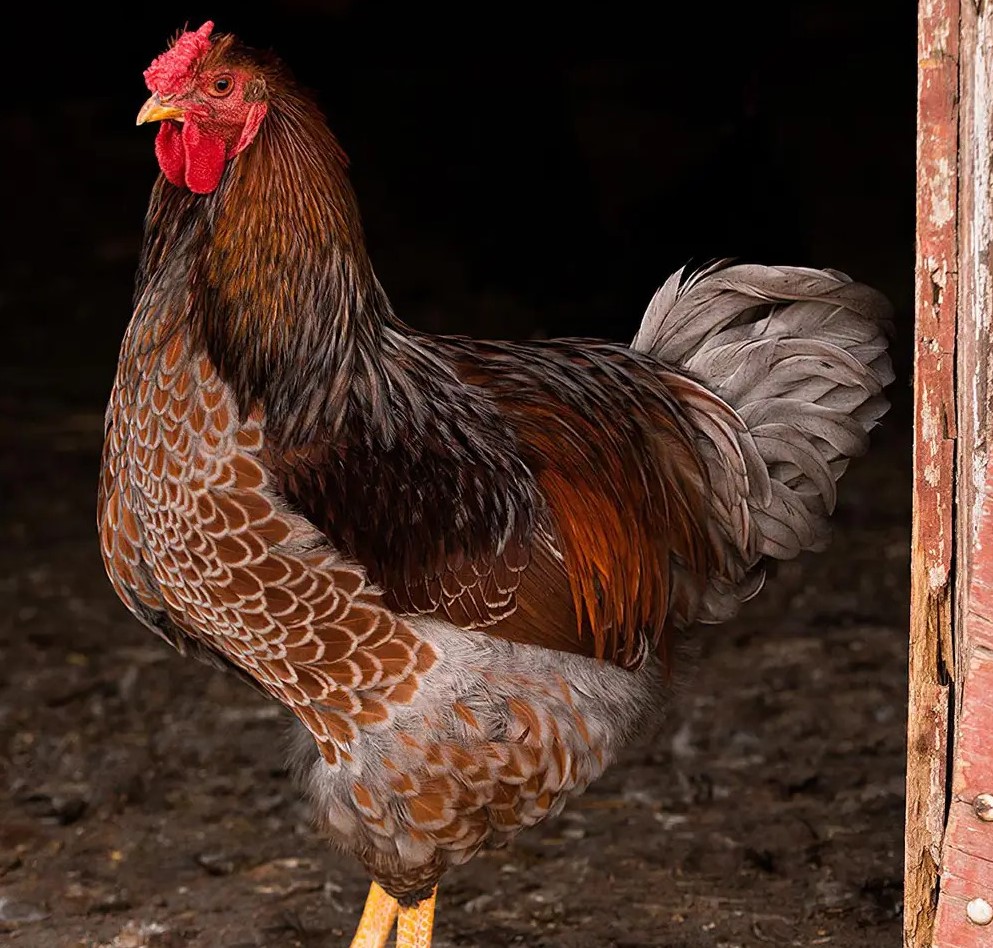
Blue Laced Red Wyandotte
The Wyandotte chicken, an American breed developed in the 1870s, is known for its versatility and charm. Among its variations, the Blue Laced Red Wyandotte stands out with its stunning plumage. This variety features a unique color pattern of rich buff-red feathers outlined with blue lacing, which often appears as a soft gray.
They are excellent dual-purpose birds, suitable for both egg production and meat. These chickens occasionally go broody and are great mothers, making them a wonderful addition to any backyard flock. Adaptable to both confinement and free-ranging environments, they are an ideal choice for small-scale poultry keepers.
Main Use
Egg Production
Egg Color
Egg & Meat Production
Good
Brown
Brown Leghorn
The Brown Leghorn originates from Italy, Denmark, and England. Known for their exceptional egg production, Leghorns lay an average of 280 eggs per year, often reaching up to 300 or even 320. Their efficient feed-to-egg conversion is impressive, requiring only about 125 grams of feed per day. They rarely go broody, making them highly reliable for consistent egg production.
This light, active breed mature quickly but are not suitable as a meat breed. Instead, they excel in free-range environments, thanks to their agility and strong ability to evade predators. For farmers seeking an efficient and resilient egg-laying breed, Brown Leghorns are a top choice.
Main Use
Egg Production
Egg Color
Egg Production
Excellent
White
Buff Orpington
Buff Orpington chickens, originally from England, are known for their striking golden appearance. These large, elegant birds have a calm and gentle temperament, making them a favorite among poultry enthusiasts.
Buff Orpingtons excel in both egg and meat production. Despite their substantial size, the hens typically lay medium-sized eggs. However, they’re nurturing mothers, making them an excellent choice for raising baby chicks.
Main Use
Egg Production
Egg Color
Egg & Meat Production
Good
Brown
Cherry Egger
Cherry Egger chickens, a Rhode Island Red breed, are highly regarded for their exceptional egg-laying abilities and gentle temperament. This makes them an excellent choice for backyard flocks, especially for families with children. These hens produce large eggs consistently and adapt well to colder climates.
Main Use
Egg Production
Egg Color
Egg & Meat Production
Very Good
Brown
Cinnamon Queen
The Cinnamon Queen is a modern hybrid breed. Known for their rapid growth and early maturity, these birds begin laying eggs at a younger age than most standard heritage breeds. They consistently produce large to extra-large eggs.
A unique feature of this breed is the ability to determine the sex of chicks by their color at hatching. Pullet chicks (females) are a reddish-brown hue, while cockerel chicks (males) are white. As adults, the hens showcase a mix of feather colors, ranging from brownish tones to pure white, while roosters display a spectrum of coloring from solid white to white with barred red shoulder feathers.
Main Use
Egg Production
Egg Color
Egg & Meat Production
Very Good
Brown
Columbian Wyandotte
The Columbian Wyandotte chicken earned its name after being showcased at the 1893 World’s Fair, also known as the Columbian Exposition, held in Chicago. This variety is known for its striking appearance and gentle temperament.
Columbian Wyandottes have clean legs and elegant black-and-white plumage, particularly around their neck, tail, and wings and feature a rose comb. They are occasionally prone to broodiness, making them excellent mothers. And they thrive in both confined spaces and free-range environments.
Main Use
Egg Production
Egg Color
Egg & Meat Production
Good
Brown
Cornish Cross
The Cornish Cross chicken is a hybrid breed, created by crossing the Commercial Cornish chicken with the White Rock chicken, specifically for the commercial meat industry. Known for their exceptional growth rate, Cornish game hens can reach four and a half pounds in just six weeks, while cockerels can grow up to six pounds in the same timeframe. For this reason, this breed is ideal for those seeking maximum efficiency in meat production.
However, due to their size, Cornish Cross chickens often experience health issues, such as leg problems, as their weight becomes too much for their frame to support. They are not recommended for breeding, as their physical limitations and health concerns make them unsuitable for long-term maintenance.
Main Use
Egg Production
Egg Color
Meat Production
Poor
Brown
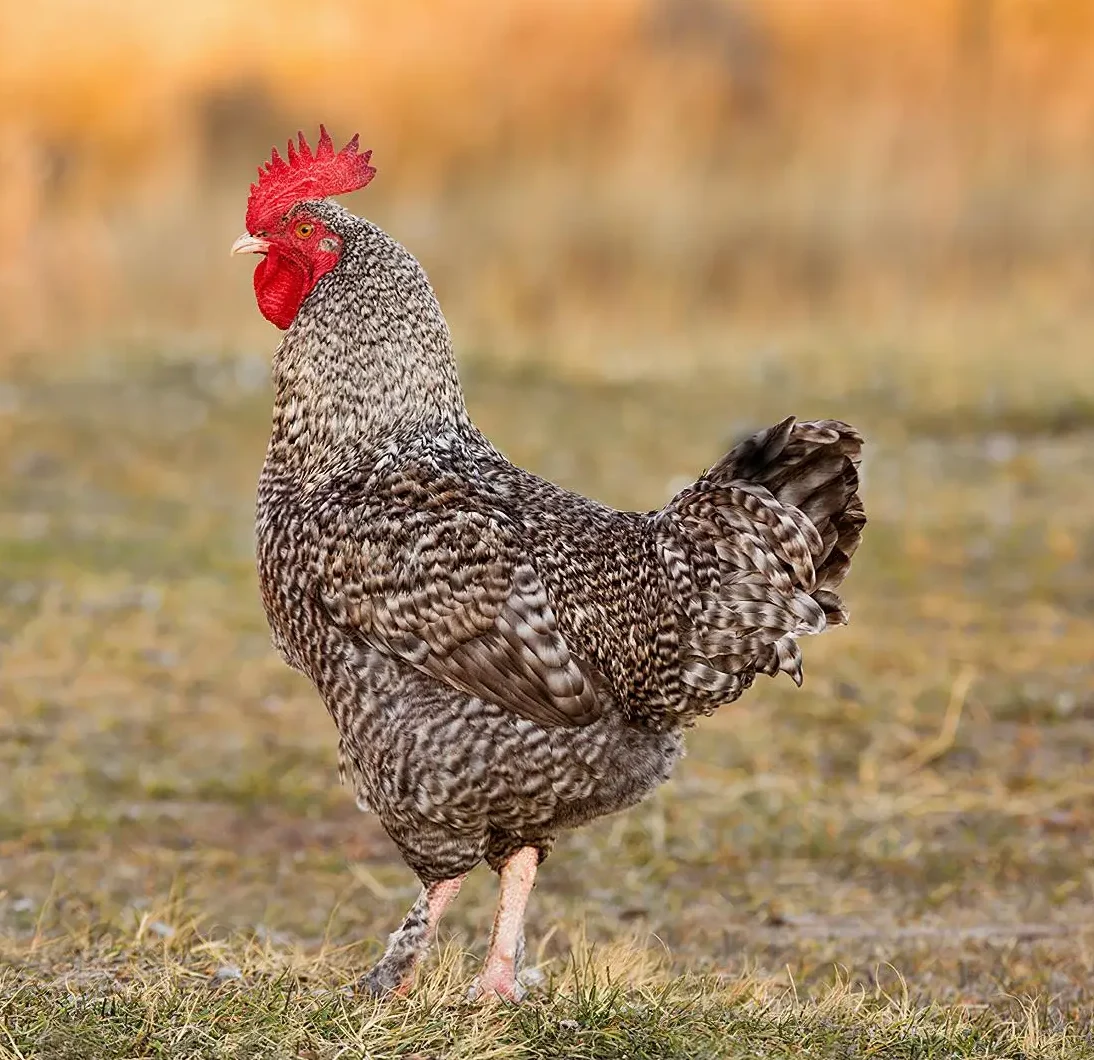
Cuckoo Marans
Originating in the French town of Marans during the mid-1800s, the Cuckoo Marans is a dual-purpose bird celebrated for its rapid growth and rich, chocolate-brown eggs. Some eggs may feature speckled dark pigments on the shell, and the intensity of the brown color can vary as hens progress through their laying cycles. Cuckoo Marans is a rare breed in the United States.
Main Use
Egg Production
Egg Color
Egg & Meat Production
Good
Dark Brown
Delaware
The Delaware chicken, named after its state of origin, was developed in Delaware during the 1940s. This dual-purpose breed, known for its rapid growth, features nearly white plumage accented by black feathers around the neck and tail. The Delaware is both practical and versatile.
Main Use
Egg Production
Egg Color
Egg & Meat Production
Good
Brown
Dominique
The Dominique chicken has been a part of English heritage for centuries. Although its exact origins remain unknown, the Dominique has played a pivotal role in shaping many of today’s recognized chicken breeds. Often mistaken for the Barred Rock Chicken, Dominiques can be distinguished by their rose combs and slightly lighter, more irregular barred feather patterns.
These versatile birds are prized as a dual-purpose breed, excelling in both egg production and meat quality. Dominiques are especially suited to free-range environments. Their distinct barred plumage is thought to provide camouflage from aerial predators. Additionally, they’re known for their calm and gentle temperament, making them a great choice for poultry keepers.
Main Use
Egg Production
Egg Color
Egg & Meat Production
Good
Brown
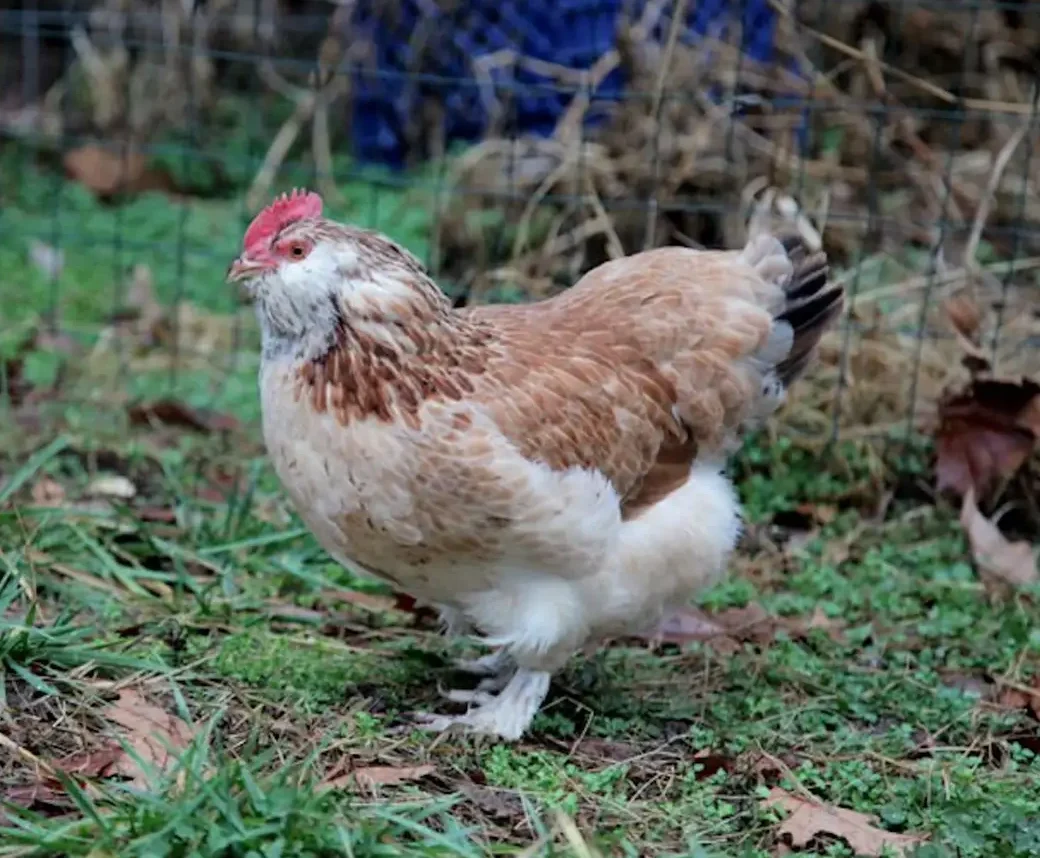
Easter Egger
The “Easter Egg” chicken originated in Chile and was first discovered by the Araucana Indians. Easter Eggers are particularly unique because of the variety in both their feather patterns and the eggs they lay. Hens produce eggs in a stunning range of colors, including pale blue, dark blue, various shades of green, and even light brown or pink hues.
While they are primarily known for their egg-laying abilities, Easter Eggers can also serve as meat birds, with meat often compared in flavor to quail. These versatile chickens are well-suited for many different environments, including backyard setups, chicken coops, larger poultry houses, and free-range systems.
Main Use
Egg Production
Egg Color
Egg Production
Excellent
Various
Golden Comet
Golden Comet chickens are highly valued for their rapid growth, early egg production, and rich brown eggshells. Unlike many standard breeds, they begin laying eggs at a younger age and produce large to extra-large eggs.
The first-generation chicks are easily distinguishable by color: male chicks (cockerels) are white, while female chicks (pullets) have a brownish-red hue. These chickens typically have yellow legs, though some may develop a greenish leg color. As adults, hens display a range of feather colors, from brown to white, while roosters vary from pure white to white with reddish feathers on their shoulders.
Main Use
Egg Production
Egg Color
Egg & Meat Production
Excellent
Brown
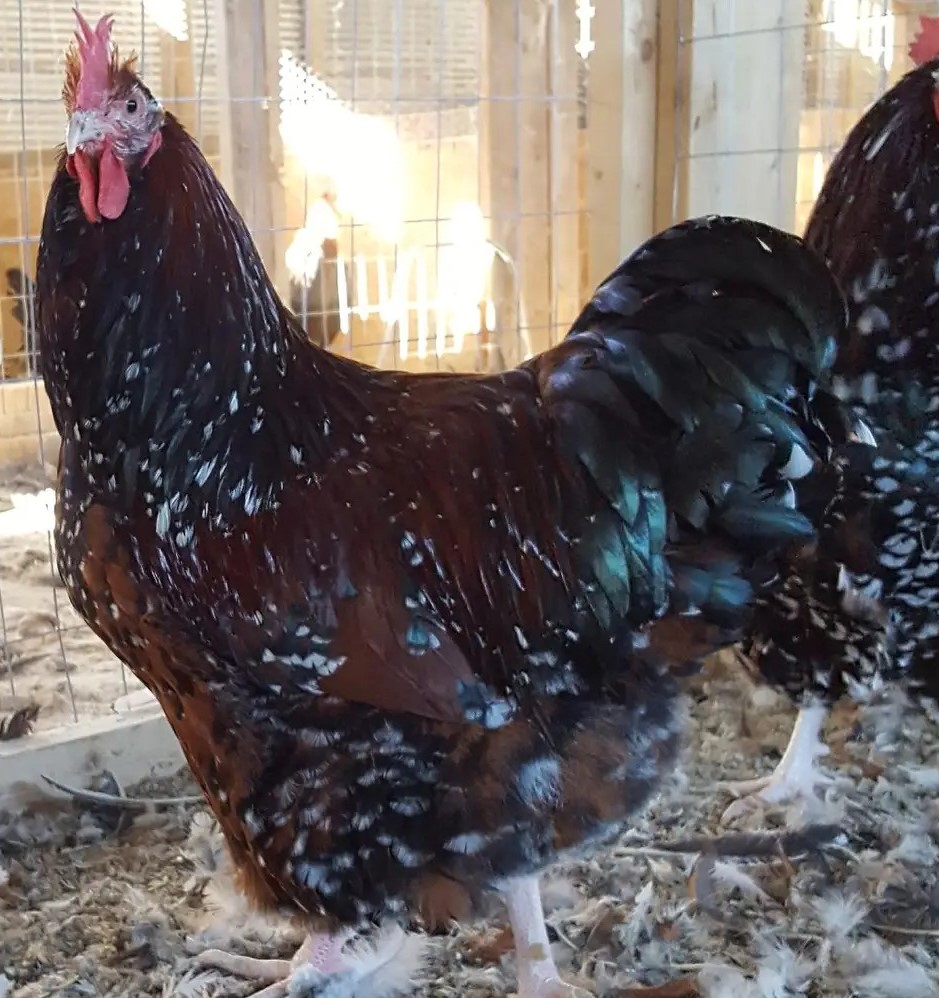
Jubilee Orpington
The Jubilee Orpington chicken was bred to honor Queen Victoria’s Diamond Jubilee. One of the most striking features of the Jubilee Orpington is its intricate feather pattern, which takes up to 18 months to fully develop. These birds showcase a rich mahogany base color adorned with black spangles and white-tipped feathers. Their physical characteristics include white beaks, legs, and feet, complemented by red earlobes, combs, wattles, and eyes.
Praised for both their size and friendly temperament, Jubilee Orpingtons are a wonderful addition to any flock. They are reliable egg layers and are well-suited to cold climates, making them a hardy and valuable choice for backyard poultry enthusiasts.
Main Use
Egg Production
Egg Color
Egg & Meat Production
Good
Brown
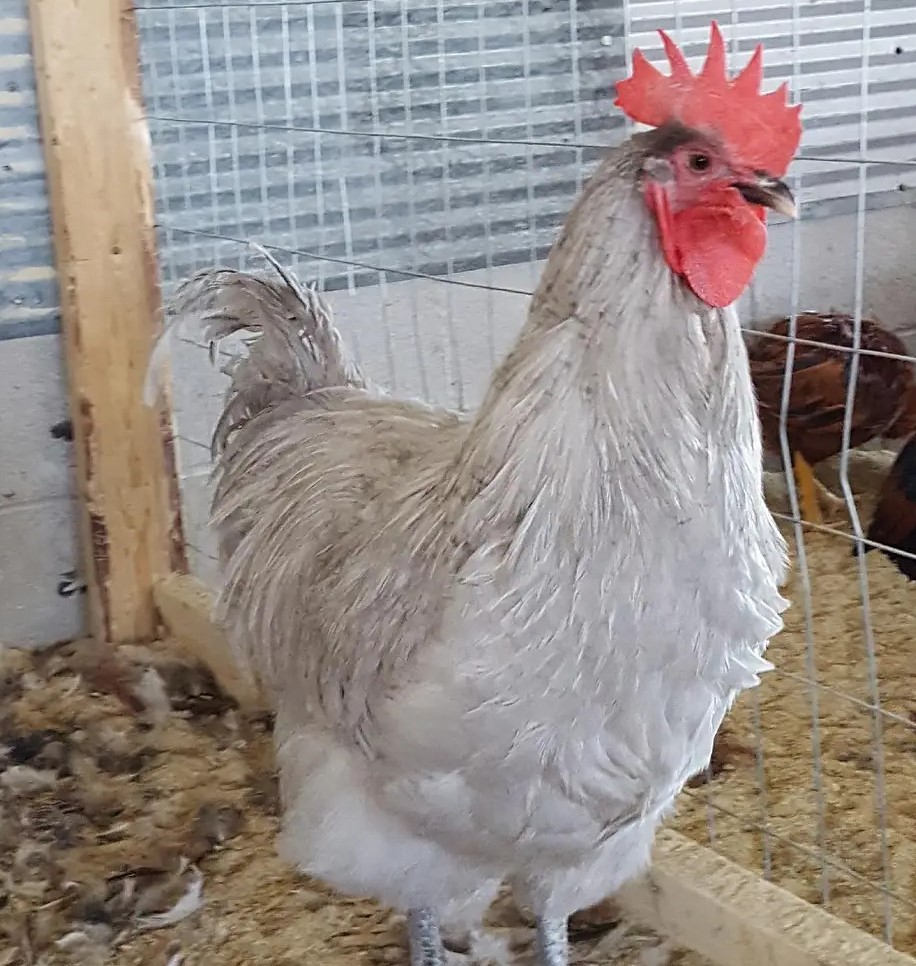
Lavender Orpington
Lavender Orpington chickens are large, elegant birds known for their upright posture and medium-sized, single comb. Their stunning, lavender-colored plumage is full, fluffy, and well-suited for cold climates. These chickens are moderate layers, producing medium to large eggs, but their real appeal lies in their distinctive appearance. Exceptionally docile and great with children, Lavender Orpingtons are a great choice for backyard flocks.
Main Use
Egg Production
Egg Color
Egg & Meat Production
Good
Brown
Light Brahma
Light Brahma chickens, originally from Asia, were introduced to the United States in the mid-1800s. Known for their calm and gentle temperament, these chickens are easy to handle and make ideal companions, even for children. The hens are reliable layers of eggs and exceptional brood mothers.
Light Brahmas are primarily white, with black feathers adorning their necks and tails, adding to their elegant appearance. A distinctive feature of this breed is their feathered legs. Their small pea comb, large size, and thick plumage provide excellent protection against cold weather, making them well-suited for colder climates.
Main Use
Egg Production
Egg Color
Egg & Meat Production
Good
Brown
New Hampshire
The New Hampshire chicken, developed in 1915 from a specific strain of Rhode Island Reds, originated in New Hampshire. Often referred to as New Hampshire Reds, these chickens are among America’s prized heritage breeds. They are known for their calm temperament, early maturity, large eggs, and impressive egg production. With their sturdy, heavyweight build and reliable nature, New Hampshire chickens are a perfect match for anyone seeking a productive, low-maintenance breed.
Main Use
Egg Production
Egg Color
Egg & Meat Production
Very Good
Brown
Olive Egger
The Olive Egger is not a purebred chicken breed but rather the result of intentional crossbreeding. Typically, they are created by crossing a chicken that lays dark-brown eggs with one that lays true-blue eggs. This combination usually produces stunning, olive-colored eggs in the first generation. While the initial eggs may be small, they gradually increase in size to reach medium or large.
Main Use
Egg Production
Egg Color
Egg Production
Very Good
Olive Green
Red Sex Link
The Red Sex Link hybrid chicken is a crossbreed created by pairing a Rhode Island Red rooster with a Delaware hen, resulting in robust and healthy offspring. These baby chicks can be easily color-sexed at birth, with pullets being shades of red and roosters being lighter hues.
Red Sex Link chickens are an excellent choice for backyard flocks or farms, as they’re adaptable and reliable. They thrive in various environments, whether it’s small coops, spacious chicken houses, tractor pens, or free-range setups.
Main Use
Egg Production
Egg Color
Egg & Meat Production
Good
Brown
Rhode Island Red
As its name suggests, the Rhode Island Red hails from Rhode Island and is even designated as the state bird. This heritage chicken breed is renowned for its popularity in brown egg production and is a favorite among backyard chicken keepers.
Rhode Island Red chicks are highly adaptable. And you can raise them naturally or specifically for egg-laying purposes. Valued for their exceptional hardiness and reliable egg-laying capabilities, these birds are a staple in many backyard flocks.
Main Use
Egg Production
Egg Color
Egg & Meat Production
Excellent
Brown
Rhode Island White
The Rhode Island White chicken was first established in 1888. This breed is known for its broad, deep body, horizontal posture, and tightly feathered, brick-like appearance, complemented by a broad, flat head. They are highly docile and serve as dual-purpose birds, excelling as both meat fowl and layers. They are known for being excellent winter layers and produce large eggs.
Main Use
Egg Production
Egg Color
Egg & Meat Production
Excellent
Brown
Salmon Faverolle
The Salmon Faverolle, a charming dual-purpose chicken, originated in France during the 1850s. Known for their excellent egg-laying abilities and impressive size, they are a popular choice for backyard flocks. These birds are calm and docile, making them easy to raise. Distinctive features of the Salmon Faverolle include their fluffy beard (also known as a muff), feathered shanks, and unique five-toed feet.
Main Use
Egg Production
Egg Color
Egg & Meat Production
Good
Light Brown
Speckled Sussex
The Speckled Sussex is an ancient English breed originating from Sussex County. It’s known for its gentle demeanor and vibrant appearance. This bird is an excellent choice for backyard flocks, serving as a versatile breed for both meat and egg production.
Its speckled plumage not only adds to its beauty but also provides natural camouflage, helping it evade predators like foxes and coyotes. The Speckled Sussex becomes even more striking with age, as annual molting introduces additional speckles to its feathers. This breed is hardy, adaptable, thrives in confinement, and is a reliable egg layer, making it a standout addition to any poultry enthusiast’s flock.
Main Use
Egg Production
Egg Color
Egg & Meat Production
Good
Brown
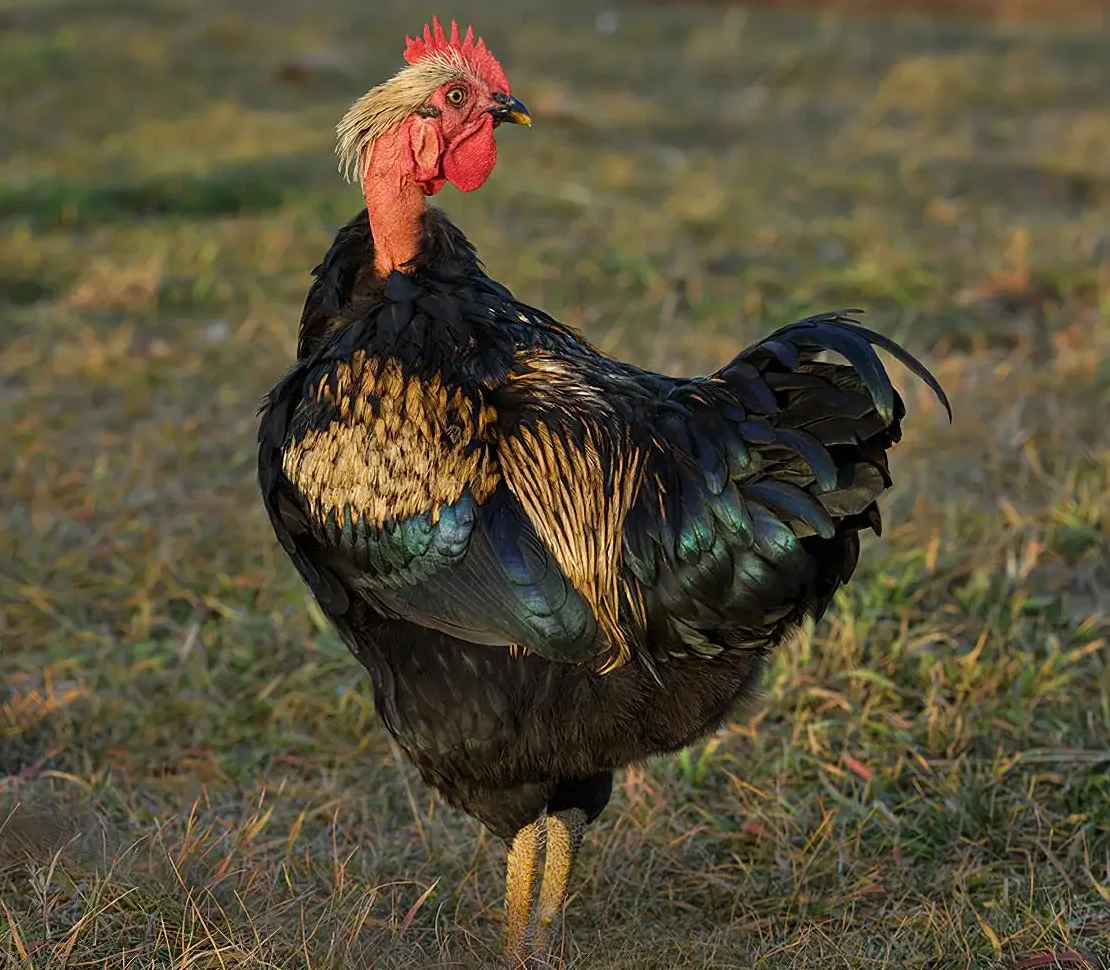
Turken “Naked Neck”
Originally known as “Naked Neck” chickens, this unique breed was first developed in Eastern Hungary. Despite the name, this breed did not originate from a cross between chickens and domesticated turkeys. The “Naked Neck” trait was intentionally bred into these chickens to make plucking easier and to help them tolerate heat more effectively.
The Turken “Naked Neck” chicken is prized for its size, egg-laying capabilities, and gentle temperament. And it adapts well to confinement.
Main Use
Egg Production
Egg Color
Egg & Meat Production
Good
Light Brown
Welsummer
The Welsummer chicken is a Dutch breed named after the village of Welsum in Holland. This breed is renowned for its large, beautifully speckled dark-brown eggs. The Welsummer is a robust and active bird, characterized by its large size, upright posture, broad back, full breast, and full tail. It features a distinctive single comb and is known for its docile, friendly temperament, making it an excellent choice for backyard flocks.
Fun fact: The iconic Kellogg’s Rooster was modeled after a Welsummer.
Main Use
Egg Production
Egg Color
Egg & Meat Production
Very Good
Dark Brown
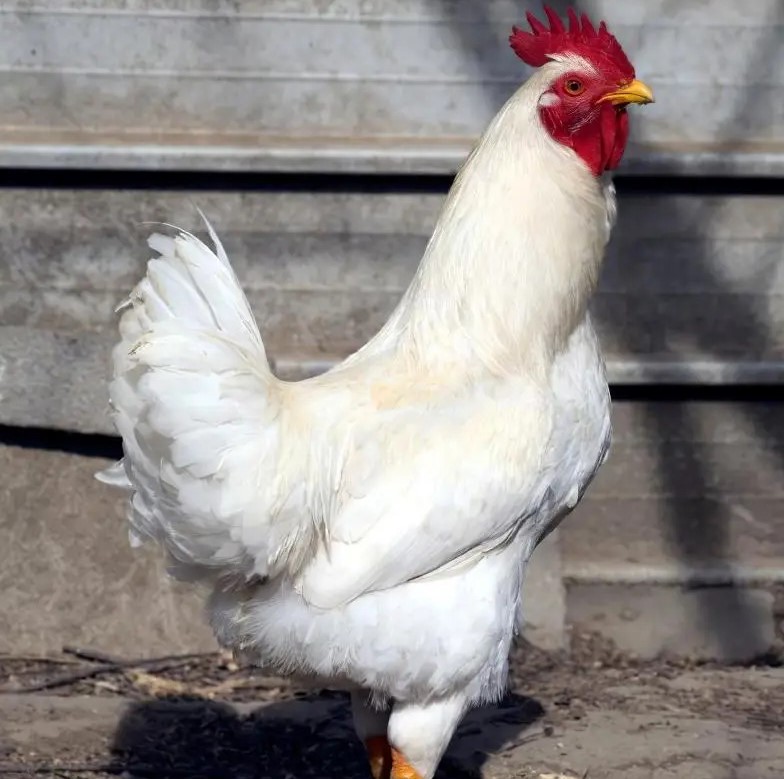
White Leghorn
White Leghorns are renowned for their exceptional egg-laying abilities, producing an average of 280 white eggs annually, with some hens even reaching 300 to 320. And they boast an outstanding feed-to-egg conversion ratio, requiring just 125 grams of feed per day. Their efficiency makes them an excellent choice for free-range or organic egg farming. As they rarely exhibit broodiness, White Leghorns are ideal for consistent and uninterrupted egg production.
Although they are a lightweight breed that matures quickly, they are not typically favored for meat production. And while they tend to be flighty, nervous, and generally avoid human interaction, White Leghorns remain one of the best choices for free-range egg farming.
Main Use
Egg Production
Egg Color
Egg Production
Excellent
White
White Rock
The White Plymouth Rock chicken, commonly known as the White Rock, is a member of the Plymouth Rock family. This heritage breed is celebrated for its versatility and friendly nature, making it an excellent dual-purpose chicken and a great addition to any backyard flock.
Hens lay large to extra-large brown eggs and are among the earliest maturing layers, typically beginning to lay around five months of age. Meanwhile, the cockerels grow into excellent fryers, prized for their tender meat.
Main Use
Egg Production
Egg Color
Egg & Meat Production
Excellent
Brown
Frequently Asked Questions
What type of chicken is black-and-white?
Several breeds have black-and-white feather patterns. Common examples include the Barred Plymouth Rock, Silver Laced Wyandotte, Dominique, and Lakenvelder. The Cuckoo Marans also features a jagged black-and-white pattern, though it appears more blurred than barred.
Are Plymouth Rock chickens friendly?
Yes, Barred Plymouth Rock chickens are well known for their calm and friendly nature. They’re easy to handle, enjoy human interaction, and do well in backyard flocks, especially around children and beginners.
What is the friendliest chicken to raise?
Silkies are widely considered the friendliest chicken breed. They’re gentle, affectionate, and great with families, though not top performers in egg production. Their sweet temperament makes them ideal as pets or companion chickens.