Buying GuideVideoArticle
Fall & Winter Style Guide 2023
As the cold weather approaches, make sure you have the proper clothing. Follow our guide to find warm styles for falling temps.
Read More November 8, 2023 | Blain's Farm & FleetHeading out into the great outdoors for a hike is an adventure that calls to many of us. Whether you’re scaling rugged mountains, traversing forest trails, or just enjoying a leisurely walk in nature, one thing remains constant: the need for the right hiking boots.
A good pair of hiking boots can be the difference between a trip filled with cherished memories and one plagued by discomfort. That’s why Blain’s Farm & Fleet is here to help you select the best hiking boots that will support you on every trail you choose to conquer.
Remember, the goal here isn’t just to find a pair of boots. It’s to enhance your entire hiking experience.
First things first, figure out what you need. Not all hikes are created equal, and neither are all hiking boots.
Consider the terrain you’ll be exploring—are we talking rocky ridges or soft forest floors? Also, think about the climate. Will you be trudging through streams or facing desert heat?
Your answers will determine whether you needs hiking footwear with extra grip, waterproofing, or enhanced durability.
Now that you know what you’re looking for, it’s time explore the different types of hiking boots and shoes.
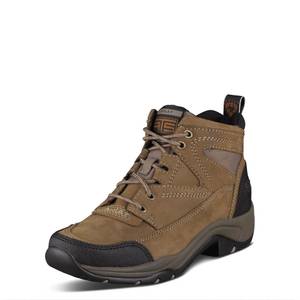
Once you’ve figured out which kind of hiking boots you’ll need, it’s time to determine the right fit. Wear the hiking socks you’ll be wearing on the trails. Moisture-wicking polyester, synthetic wool, or real wool are all good choices. It’s a good idea to try on boots late in the day, when your feet are more swollen.
Your boots should fit snug around your ankles and instep. However, you still want to be able to move your toes. If your boots constrict circulation or pinch, they’re too small.
Walk around in them, and if possible, try to walk up and down an incline to get the real feel of a trail. If your feet slide forward, the boots are too wide.
New boots won’t fit as comfortably as regular shoes. You’ll need to take time to break them in.
When choosing hiking boots, take these other features into consideration:
Before you head out on your big expedition, break in your boots at home. Wear them around the house or even wear them on a few short hikes. This will help mold the boots to your feet and reduce the risk of blisters. Leather boots in particular will have a longer break in time.
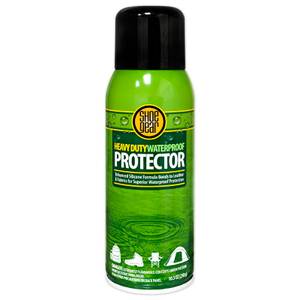
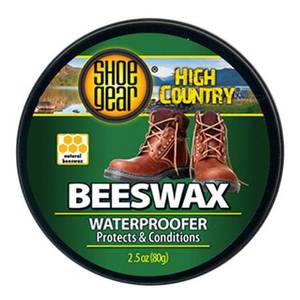
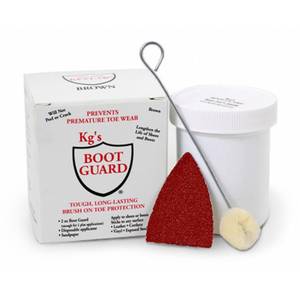
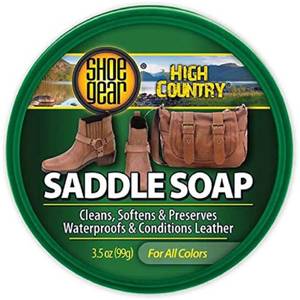
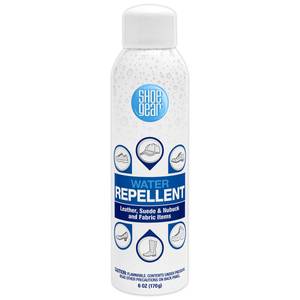
Once you’ve broken your boots in, you’ll need to continue taking care of them. Clean and waterproof them regularly. This will extend their life and performance.
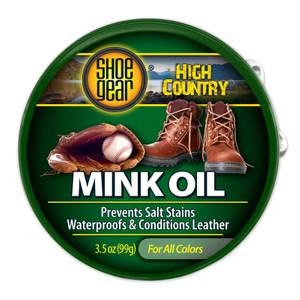
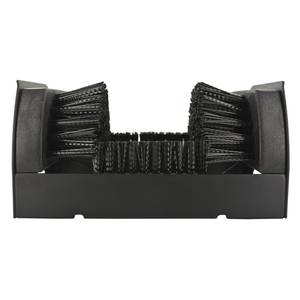
Clean them after each hike, especially if they’ve been exposed to mud or water. Use a boot cleaner and a brush to remove dirt. You should treat leather boots with mink oil or another leather treatment or conditioner to keep the material supple and prevent them from drying out. Always dry your boots thoroughly before storing them.
Remember, this journey is as much about enjoying the process as it is about reaching your destination. Take your time selecting your boots, and look forward to many great hikes ahead!
For more buying guides like this one, check out our other Hiking articles.